Home Blog Page 9

Lilith Games: Creator of AFK Arena & Rise of Kingdoms

0

When you hear “Lilith Games,” you probably think of hit mobile titles like AFK Arena or Rise of Kingdoms. But behind those successes lies a company that has grown, pivoted, and evolved in response to industry shifts. In this article, I’ll walk you through Lilith’s origin, its strengths, challenges, and what lies ahead. You’ll come away with a clearer sense of why it matters.

Lilith Games, formally known as Shanghai Lilith Network Technology (sometimes Shanghai Lilith Technology), is a Chinese developer and publisher of mobile games. It launched around 2013 in Shanghai and, in just a few years, made a name for itself by creating engaging titles with global appeal. Over time, it carved a niche in RPG, strategy, and idle / “gacha” genres. Today, it’s known not merely for creating games but for building communities and evolving monetisation strategies.

Origins and Rise of Lilith Games

Foundations and Early Growth

Lilith’s journey began in a competitive Chinese gaming market. It broke through with early titles such as Soul Hunters and Art of Conquest. These games combined strong visuals, attractive hero systems, and strategic depth. For a company of its age, having global ambition early proved vital.

By 2018, Lilith had released its marquee titles: AFK Arena (an idle / RPG game) and Rise of Kingdoms (4X strategy). Both games proved wildly successful beyond China’s borders. They generated huge user bases, strong revenue, and visibility in Western markets as well. At its peak around 2020, Lilith reportedly earned over $1 billion in store revenue in that year alone. Analysts cited those years as the company’s golden era.

During that timeframe, Lilith also expanded its portfolio, adding puzzle, adventure, and narrative titles. It embraced both self-developed games and publishing partnerships. The strategy helped diversify risk while leveraging its brand and infrastructure.

Flagship Games and Core Titles

AFK Arena

AFK Arena is perhaps Lilith’s most visible success. It is designed around “away from keyboard” mechanics, meaning players make progress even while not actively playing. The core gameplay involves collecting and upgrading heroes, forming teams, and positioning them strategically. The game runs automatic combat, but skill matters in team composition, hero synergies, and resource allocation.

The title’s appeal lies in its polished art style, strong character design, and balance between casual and strategic depth. Over time, it introduced guild features, PvP arenas, events, and lore expansions, helping retain player interest.

Rise of Kingdoms

Rise of Kingdoms leaned into 4X (explore, expand, exploit, exterminate) mechanics and real-time strategy. Players grow civilisations, forge alliances, explore maps, wage wars, and form diplomatic ties. It appealed to more hardcore strategy gamers, giving Lilith a presence in that genre.

This title’s success showed Lilith’s versatility: not just an idle-RPG company, but a studio that can handle deep strategy. The global reach of Rise of Kingdoms helped Lilith become better known in Western markets.

Other Games and Experiments

Apart from these core successes, Lilith released or published several smaller or experimental games: Soul Hunters, Art of Conquest, Isoland 2, Abi: A Robot’s Tale, and more. These games allowed Lilith to test new genres, narratives, or mechanics without risking its flagship franchises.

Lilith also experimented with “gacha” or hero-collection mechanics, puzzle narrative hybrids, and casual titles to broaden market reach. Some succeeded, some underperformed. But these efforts speak to a company that refuses to rest on its laurels.

Challenges, Decline, and Strategic Shifts

Revenue Decline & Market Changes

After its peak, Lilith faced headwinds. Around 2021, Apple’s changes to its IDFA (advertiser identifier) rules significantly impacted user acquisition and ad targeting. That shift hurt many mobile game companies, especially those dependent on efficient UA (user acquisition) strategies. Lilith was among them. Revenue for its flagships declined. Analysts report that by 2023, its total revenue dropped more than 40 % from its 2020 peak.

The company also struggled to match rising competition. Big players like miHoYo (now HoYoverse) and other global studios ramped up investment, production quality, and retention strategies. Some of Lilith’s titles lost momentum in these contested genres.

Another issue involved overreliance on a few core titles. When those games age, user fatigue sets in unless strong updates and innovation counteract it. Maintaining freshness in long-life games is a constant challenge.

Criticism From Players

Despite its success, Lilith hasn’t avoided criticism. Some players feel content becomes repetitive or that monetisation pressures intensify over time. In the community of AFK Arena, for instance, there’s feedback that the developer introduced frequent events and grind mechanics that push regular players into heavier play patterns. Some lament the decline of earlier, simpler systems in favour of more monetisation layers.

Reddit threads mention trust erosion: once loyal players feel decisions made by Lilith don’t always align with fan expectations. Some feel the balance between revenue and fun is shifting harder toward monetisation. That tension is common in free-to-play gaming, but for a company of Lilith’s standing, perception matters greatly.

Strategic Response & Adaptation

Lilith shifted by diversifying its portfolio, exploring new genres, and investing in global localisation. It also leaned into live operations, dynamic events, and seasonal content to keep engagement high. The company likely doubled down on its core strengths—art, hero systems, collaboration features—while trimming overextended ambitions.

Furthermore, Lilith strengthened publishing operations, acting not only as a game maker but a facilitator for promising external projects. That move spreads risk, leverages infrastructure, and can capture upward hits beyond internal development.

Why Lilith Games Matters in Mobile Gaming

Lilith’s story is instructive. They show how a mid-sized Chinese studio can scale globally. They demonstrate how strong IP (intellectual property) like hero systems, lore, and art styles can drive retention across cultures. They also exemplify the tensions in free-to-play models between monetisation, retention, and player trust.

Lilith proved that games built for mass appeal—while retaining depth—can cross borders. Their success encouraged other Chinese studios to aim globally. Also, their struggles underscore how quickly changes in ad policy, platform rules, or competition can shift fortunes.

From a player’s perspective, Lilith’s successes gave us games that balance casual and deep play. From a business angle, Lilith is a case study in adaptation, risk, and evolution in a rapidly shifting market.

Future Outlook

Where Lilith Might Head

Looking ahead, Lilith likely continues doubling down on live content, event systems, and cross-title synergies. If it finds new hit franchises, especially in genres outside its comfort zone, it can regain momentum.

I expect more investment in global publishing, helping smaller indie titles scale using Lilith’s infrastructure. That helps Lilith tap into creativity beyond its core teams without overextending.

Also, I anticipate more attention to regional markets (Southeast Asia, India, Latin America) where mobile gaming growth remains strong. Localising deeply—language, culture, monetisation models—can yield outsized gains.

Risks to Watch

The same factors that challenged Lilith before remain: changes in platform rules (iOS, Android), shifts in ad ecosystems, rising production costs, and intense competition. A misstep in a flagship update or an unpopular monetisation change could cost loyalty.

Dependence on a few key titles still poses risk. If those ages poorly without strong successors, revenue might decline. Also, community trust is fragile. Negative feedback loops can amplify if not handled with transparency.

Lessons from Lilith: Insights for Gamers & Developers

For gamers, Lilith’s journey teaches that behind every polished title lies tradeoffs: balancing artistic ambition, monetisation, retention, and community. When a developer hits too hard on monetisation, players push back. Strong communities and feedback loops can keep a studio grounded.

For developers, Lilith models a pathway from local success to global reach. It shows the value of diversifying genre, building live ops expertise, and pivoting when external conditions shift (e.g., ad regulation). It also highlights that idealism must pair with pragmatic design, business acumen, and adaptability.

Read More: TT Games: The Legacy Behind the Iconic LEGO Video Games

Conclusion

Lilith Games is more than a “mobile game company.” It is a living example of triumphs, trials, and tenacity in the mobile gaming world. From its breakout hits like AFK Arena and Rise of Kingdoms to the challenges posed by shifting platform policies and evolving player expectations, Lilith’s story is compelling.

It continues to matter because its games touch millions worldwide. It will matter more if it returns to growth by innovating, listening, and expanding wisely. For players, keeping an eye on Lilith’s moves can hint at the next big game. For observers and developers, Lilith offers lessons in scaling, sustaining, and adapting in one of the toughest markets in tech.

FAQs

What is Lilith Games?

Lilith Games is a Chinese game developer known for hit titles like AFK Arena and Rise of Kingdoms.

Who founded Lilith Games?

Lilith Games was founded in 2013 in Shanghai by a group of passionate developers focused on mobile gaming innovation.

What are Lilith Games’ most popular titles?

AFK Arena and Rise of Kingdoms are Lilith’s best-known global successes, loved for art and strategy gameplay.

Is Lilith Games still active?

Yes. Lilith continues releasing new updates, events, and global projects while expanding into new genres.

How does Lilith Games earn revenue?

The company uses a free-to-play model with in-app purchases, events, and collaborations to sustain operations.

Super League Greece Games: Schedule, Teams, and Highlights

0

Super League Greece stands as the top division of professional football in Greece, representing the pinnacle of the nation’s sporting passion. It’s more than a football competition — it’s a cultural phenomenon that captures local pride, history, and community spirit.

Founded in 2006 to replace the Alpha Ethniki, the Super League brought a modern, structured approach to Greek football. Since its inception, it has featured some of Europe’s most historic clubs — Olympiacos, Panathinaikos, AEK Athens, and PAOK — battling for supremacy in an environment fueled by passion and rivalry.

The league has grown into a national spectacle. Every weekend, millions of fans tune in or fill stadiums to watch the best Greek footballers compete, creating unforgettable moments that define the country’s sporting identity.

The Structure of the Super League Greece

The league operates under a competitive system designed to deliver excitement from the first match to the last. Currently, 14 teams compete in the Super League season. Each club faces every opponent twice — once at home and once away — producing a balanced schedule that tests every side’s consistency.

When the regular season concludes, the table splits into two sections: the Championship Round and the Relegation Round. The top six teams advance to the Championship Round to fight for the title and European competition spots, while the bottom eight enter the Relegation Round to secure survival.

This system keeps intensity high throughout the campaign. Even lower-ranked teams battle fiercely for every point, knowing the consequences of relegation to the second division, the Super League 2.

Greek Football’s Most Iconic Clubs

Few football cultures can match the drama and emotion of Greek rivalries. The Super League’s most iconic clubs carry decades of legacy and millions of supporters.

Olympiacos

Olympiacos, based in Piraeus, remains the dominant force in Greek football history. The club has secured more than 45 league titles, combining domestic success with European campaigns. The team’s red-and-white colours symbolise power and tradition.

Panathinaikos

Panathinaikos, from Athens, stands as one of the league’s oldest and most respected institutions. Known for its passionate fan base and famous clover crest, the club has produced some of Greece’s greatest football legends and reached a European Cup final in 1971.

AEK Athens

AEK Athens, another powerhouse, represents pride, resilience, and heritage. Formed by Greek refugees from Asia Minor, AEK carries emotional significance far beyond football. Its fans fill every match with chants, flags, and devotion.

PAOK Thessaloniki

PAOK, based in northern Greece, symbolises unity and strength. Its rise in recent years, including winning league titles and cup doubles, has broken Athens’ traditional dominance.

Together, these clubs form the backbone of the Super League’s competitive balance, bringing rivalries that define Greek football’s unique identity.

The Intensity of Greek Football Rivalries

Super League Greece games are not just matches — they’re emotional experiences. Rivalries like Olympiacos vs Panathinaikos, known as the Derby of the Eternal Enemies, rank among the most heated in world football.

Every meeting between these giants turns into a national event. Streets are empty, stadiums vibrate, and television screens across the country capture every tackle, goal, and controversy.

Beyond Athens, the rivalry between PAOK and AEK Athens has also grown into a fierce contest, especially after recent title races. These rivalries fuel passion, strengthen club identities, and keep the league among Europe’s most vibrant competitions.

The Rise of Modern Super League Football

In recent years, the Super League has focused on modernisation, transparency, and global visibility. Investments in stadium infrastructure, media rights, and youth development have enhanced the league’s profile.

Clubs now embrace analytics, performance science, and international partnerships to compete at higher levels. The Greek Football Federation’s collaboration with UEFA has also raised officiating and safety standards, ensuring fairer and more professional matches.

Digital broadcasting platforms and social media coverage have made Super League Greece games accessible worldwide. Fans from Europe, Asia, and North America now follow the matches live, turning Greek football into a global attraction.

Greek Football Talent and Youth Development

One of the most exciting aspects of the modern Super League is its commitment to nurturing young talent. Greek academies are producing technically gifted players capable of competing internationally.

Teams like Olympiacos and PAOK have established strong youth programs that focus on player development, discipline, and tactical awareness. These academies have produced stars who now shine in top European leagues.

Greek football’s recent success at the youth level — including players representing Greece in the UEFA Under-21 Championship — highlights the nation’s growing potential. As more clubs invest in young talent, the future of Super League Greece appears brighter than ever.


European Aspirations of Greek Clubs

Super League Greece teams continue to aim high in European competitions. Clubs like Olympiacos, AEK Athens, and PAOK regularly represent Greece in the UEFA Champions League and Europa League.

Olympiacos, in particular, has achieved notable results against major European clubs, showcasing Greek football’s technical quality and resilience. These performances not only raise the league’s profile but also inspire smaller clubs to invest, improve facilities, and strengthen squads.

European competition also brings financial rewards that help clubs develop further. Increased funding allows for better infrastructure, stronger recruitment, and broader marketing reach, solidifying the Super League’s reputation as a respected European competition.

Challenges Facing the Super League Greece

Despite progress, challenges remain. Financial stability continues to be a concern for smaller clubs. Uneven revenue distribution and limited sponsorship deals can make it difficult for teams outside the top four to compete consistently.

Another issue lies in match attendance and infrastructure. Some stadiums require modernisation to meet international standards. The league’s organisers are addressing this with renovation projects and stricter licensing rules.

Additionally, maintaining trust and fairness in officiating remains crucial for the league’s credibility. Reforms and the introduction of VAR technology have already improved transparency, but continuous vigilance is needed to ensure fair play.

The Cultural Impact of Super League Greece

Super League Greece is more than a competition — it’s a reflection of Greek identity and pride. Football unites people across regions, generations, and backgrounds. Every match carries stories of history, loyalty, and local spirit.

In cities like Athens, Thessaloniki, Heraklion, and Patras, matchdays are like festivals. Families gather, cafes fill with fans, and entire communities rally behind their clubs. The emotional connection between fans and teams defines Greek football culture.

The league also plays a key role in the national team’s success. Many Greek internationals start their careers in the Super League before shining on the global stage, including during Greece’s legendary 2004 European Championship triumph.

The Future of Super League Greece Games

Looking ahead, Super League Greece continues to evolve. Expansion plans, financial reforms, and stronger youth academies aim to position it among Europe’s top leagues.

The focus is shifting toward sustainability — building solid foundations rather than short-term success. Clubs are adopting smarter management, digital engagement, and fan-centric experiences to foster loyalty and drive revenue growth.

With new international partnerships and modernised marketing strategies, Greek football is reclaiming its place in Europe’s competitive landscape. The league’s combination of tradition, rivalry, and modern flair makes it an exciting destination for players, coaches, and fans alike.

Read More: TT Games: The Legacy Behind the Iconic LEGO Video Games

Conclusion

Super League Greece represents the soul of Greek football. Its matches are more than sporting contests; they are cultural events that unite cities and define identity.

From fierce rivalries to emerging talents, from historic clubs to modern evolution, the league captures the full spectrum of passion that makes football timeless.

Every season brings new stories — goals, triumphs, heartbreaks, and unforgettable moments. As Greece continues to modernise its football landscape, the Super League remains the stage where dreams, pride, and history come to life.

In the heart of every fan, the roar of a Super League Greece game is not just a sound — it’s the rhythm of a nation’s love for football.

FAQs 

What is Super League Greece?

Super League Greece is the top professional football division in Greece, featuring 14 competitive clubs.

How many teams play in Super League Greece?

The league includes 14 teams that compete each season for the national championship title.

When does the Super League Greece season start?

The season usually begins in August and runs until May, with playoffs deciding champions and relegations.

Which club has won the most Super League titles?

Olympiacos holds the record for the most league titles in Greek football history.

Where can fans watch Super League Greece games?

Fans can watch live on official broadcasters, online streaming platforms, or at stadiums across Greece.

How Many FNAF Games Are There: Full List & Timeline

0

Fans of horror gaming often ask a simple but fascinating question: how many FNAF games are there? The Five Nights at Freddy’s (FNAF) series has grown far beyond its humble beginnings as an indie horror experiment into a massive multimedia franchise. Created by Scott Cawthon, this series has terrified and entertained millions worldwide. Over the years, FNAF has expanded into mainline games, spin-offs, VR titles, and even a feature film. In this guide, you’ll discover how many games exist, how they connect, and why this series continues to dominate the horror genre.


The Origins of Five Nights at Freddy’s

Before diving into the full list, it’s worth remembering how the series began. Scott Cawthon released the first Five Nights at Freddy’s in 2014. It was a simple point-and-click survival horror experience where players took on the role of a night security guard at Freddy Fazbear’s Pizza, monitoring cameras to avoid being caught by animatronic creatures.

The game’s unique blend of limited resources, tension, and jump scares made it an instant hit. Cawthon’s creative use of atmosphere and minimalism changed indie horror forever. This success led to rapid sequels, each expanding the lore and deepening the mystery behind Freddy Fazbear’s haunted animatronics.


Mainline FNAF Games

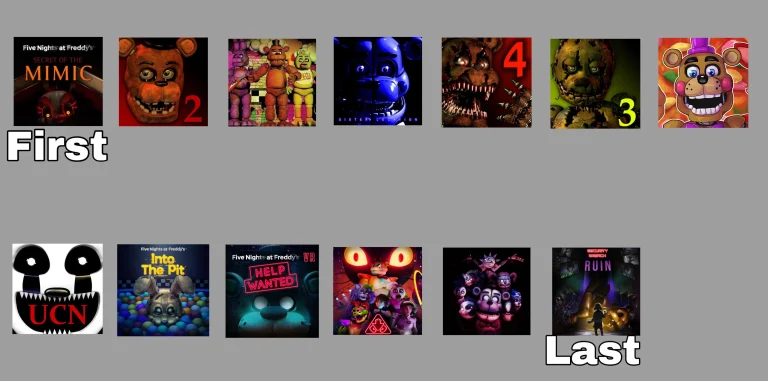
The core series currently includes eight mainline FNAF games, each introducing new mechanics and lore elements that keep fans engaged.

Five Nights at Freddy’s (2014)

The original title introduced players to the eerie world of Freddy Fazbear’s Pizza. Its simple premise and intense atmosphere defined the franchise’s identity.

Five Nights at Freddy’s 2 (2014)

Released later the same year, FNAF 2 expanded gameplay by adding new animatronics, mask mechanics, and a deeper look into the franchise’s backstory.

Five Nights at Freddy’s 3 (2015)

This entry shifted the setting to a horror attraction based on the previous pizzeria events. It introduced Springtrap, a critical character in FNAF lore, and hinted at the haunted origins of the animatronics.

Five Nights at Freddy’s 4 (2015)

Set in a child’s bedroom, FNAF 4 delivered pure psychological horror. The game’s audio-based mechanics and chilling narrative blurred the lines between dream and reality.

Five Nights at Freddy’s: Sister Location (2016)

This instalment broke away from the static camera gameplay. Players explored multiple rooms and followed a story-driven narrative featuring new characters like Circus Baby.

Freddy Fazbear’s Pizzeria Simulator (2017)

This game initially appeared as a lighthearted management sim, but it quickly evolved into one of the darkest entries in the series. It served as a major turning point in the franchise’s lore.

Five Nights at Freddy’s: Help Wanted (2019)

A VR-based instalment, Help Wanted, allowed players to experience classic FNAF scares in virtual reality. It reimagined earlier games with immersive 3D environments and introduced new meta-narrative elements.

Five Nights at Freddy’s: Security Breach (2021)

The most ambitious entry so far, Security Breach features an open-world environment inside a massive mall known as the Mega Pizzaplex. Players control Gregory, a young boy trying to escape the complex while hunted by Glamrock animatronics.


Spin-Offs and Related Titles

The FNAF universe extends far beyond the mainline series. Several spin-offs expand their lore, offer new gameplay styles, or explore different genres entirely.

FNaF World (2016)

Unlike the horror-driven main games, FNaF World is an RPG featuring cute, cartoonish versions of animatronics. It’s a lighthearted diversion that gives fans a break from the constant scares.

Ultimate Custom Night (2018)

This fan-favourite lets players face off against over 50 animatronics from across the franchise. It acts as a grand finale for long-time fans, mixing nostalgia with challenge.

Five Nights at Freddy’s: Special Delivery (2019)

A mobile AR game that brings the terror into your own environment. Players receive animatronic visits via augmented reality, creating an interactive horror experience.

FNAF: Into the Pit and Other Stories

While not video games, the Fazbear Frights book series expands on the FNAF universe, introducing alternate realities and hidden connections that fans love to analyse.

Ruin DLC (2023)

The Ruin DLC for Security Breach deepens the story and adds new gameplay sequences that reveal more about Gregory, the Pizzaplex, and lingering threats.


Counting Every FNAF Game So Far

So, how many FNAF games are there when you count everything?
If you include all mainline titles, spin-offs, and VR or AR releases, there are currently twelve official FNAF games released by Scott Cawthon and Steel Wool Studios. This count includes both the main entries and recognised spin-offs that contribute to the overall lore or fan experience.

However, the FNAF universe doesn’t stop growing. With each update, new hints emerge about future instalments. Fans constantly speculate about upcoming sequels, DLCs, and possible remakes.


The Evolution of FNAF Gameplay

Each new title in the FNAF series has expanded its design philosophy. The early games relied heavily on tension, minimal movement, and resource management. Over time, the series introduced more narrative depth, 3D exploration, and even free-roaming mechanics.

For example, Sister Location emphasised character interactions, while Security Breach shifted toward a full adventure experience. Help Wanted revolutionised immersion by translating the jump scares into VR, allowing players to directly engage with the animatronics.

This evolution mirrors the growth of the horror genre itself. FNAF began as a confined experience but evolved into an expansive universe of interconnected stories, each exploring new psychological and mechanical layers.


Cultural Impact and Legacy

Few indie games have had the cultural impact of Five Nights at Freddy’s. Beyond the games themselves, FNAF spawned novels, fan theories, merchandise, and one of the most passionate online communities in gaming history.

The franchise’s lore has become a puzzle that fans love to solve. Countless YouTube creators analyse every frame of footage and every cryptic clue. This constant discussion keeps the community alive, ensuring that FNAF remains relevant nearly a decade after its debut.

The FNAF movie adaptation, released in 2023, brought the story to mainstream audiences, further strengthening the franchise’s legacy. It reintroduced Freddy Fazbear and his terrifying friends to both gamers and non-gamers alike, proving that the series’ appeal is universal.


What Makes FNAF Unique

At its core, FNAF succeeds because it plays on primal fears. The concept of being trapped, watched, and hunted resonates deeply. Each instalment adds new layers of unpredictability, ensuring the formula never feels stale.

The use of environmental storytelling, found footage-style audio logs, and layered symbolism gives fans endless theories to uncover. The simplicity of early titles contrasts beautifully with the complexity of recent releases, creating a full spectrum of horror experiences.


The Future of Five Nights at Freddy’s

While no official announcements have confirmed a new mainline game, speculation remains strong. Many believe future titles will continue expanding Security Breach’s storyline or dive deeper into the mysteries hinted at in the Ruin DLC.

Given the success of the movie and the ongoing fan engagement, more content — whether cinematic or interactive — seems inevitable. As technology advances, we might even see AI-driven animatronic behaviours or enhanced VR realism in upcoming releases.

The universe of Five Nights at Freddy’s is far from over. Every release opens new narrative doors, and every mystery sparks fresh curiosity.

Read More: TT Games: The Legacy Behind the Iconic LEGO Video Games

Conclusion

So, how many FNAF games are there? As of now, there are twelve official titles, including mainline entries, spin-offs, and virtual adaptations. From the original 2014 game to Security Breach and its expansions, FNAF has redefined indie horror.

It’s more than just a game series — it’s a cultural phenomenon that continues to evolve with each generation of players. Whether you’re discovering the series for the first time or revisiting its haunting world, the FNAF franchise remains a thrilling reminder of how creativity, atmosphere, and mystery can shape the future of gaming horror.

FAQs 

How many FNAF games are there in total?

There are twelve official FNAF games, including main titles, spin-offs, VR, and AR versions.

What is the newest FNAF game?

The latest release is Five Nights at Freddy’s: Security Breach with its Ruin DLC expansion.

Who created the FNAF series?

The FNAF series was created by indie game developer Scott Cawthon in 2014.

What is the main story of FNAF?

FNAF follows haunted animatronics linked to dark events at Freddy Fazbear’s Pizza.

Will there be more FNAF games in the future?

Yes, new projects are rumoured, and the FNAF universe continues to expand through updates and films.

Star Wars Board Games: Best Galactic Tabletop Adventures

0

Introduction

Star Wars board games bring epic battles, beloved characters, and dramatic conflict into living rooms and tabletops. Whether you favour light skirmish duels, strategic warfare, or immersive narrative adventures, the galaxy far, far away offers a board game to suit many tastes. In this article, I guide you through standout titles, design trends, player experience, and how to pick the best Star Wars board game for your group. I aim for readable, trustworthy insight underpinned by experience and informed by the community.

Why Star Wars Works in Board Gaming

Star Wars holds tremendous narrative weight, sprawling lore, and countless iconic visuals. Tapping into that world gives game designers rich storytelling and thematic leverage. Fans come eager to pilot an X-wing, lead troops on Hoth, or outwit rivals with the Force.

Beyond theme, successful Star Wars board games blend mechanics well with lore. They avoid mere reskinning; instead, they lean into asymmetry (Empire vs Rebels), varied victory paths, and tension between strategy and spectacle. That delicate balance between familiarity and fresh challenge defines the best entries in this genre.

Classic Titles That Defined the Space

One of the earliest Star Wars board games, Star Wars: Assault on Hoth, simulates the battle of Hoth from The Empire Strikes Back. In that two-player tactical game, the Empire attempts to destroy Rebel shield generators while the Rebels defend and evacuate transports. The game uses action cards and terrain across a hex map to recreate tension and strategic decisions. This title set the tone for many future Star Wars wargames.

Another classic is Star Wars: Epic Duels. Released in 2002, it allowed 2 to 6 players to take on hero and villain matchups. Each character might be paired with minor ones, giving layered options in combat and strategy. Though out of print, Epic Duels retains a cult following and often features in fan communities, facing off light side versus dark side.

Also important is Star Wars Miniatures by Wizards of the Coast, released between 2004 and 2010. That game used 34 mm miniatures, stat cards, and squad design to stage skirmish battles across eras. Players chose miniatures, built units around point budgets, and fought across scenarios. That collection introduced many to tactical miniature combat in Star Wars flavour.

Modern Hits: Deckbuilding, Commands & Colours, and More

In recent years, designers revived the Star Wars tabletop with fresh mechanics and modern expectations. A standout is Star Wars: The Deckbuilding Game. In this two-player duel, players adopt either Empire or Rebel identity. They build up deck power by buying cards from a shared galaxy row, while also attacking the opponent’s bases. A key twist: players may target cards in that galaxy row before the opponent acquires them, denying access and gaining rewards. The balance of the Force (a track reflecting tension) can tilt effects toward one side or the other. This modern design combines strategic tempo, card synergy, and narrative feel. 

Another new entry, Star Wars: Battle of Hoth, adapts the Commands & Colours ruleset to the Star Wars universe. In that game, players manoeuvre units over a hex grid, use orders via cards, and engage in patrol, cover, and capture objectives. The game’s strength lies in translating a war game staple into Star Wars terms, with accessible rules and thematic heft. Critics praise it as a solid gateway wargame, especially for fans new to deeper strategy. 

Projects like Star Wars: The Interactive Video Board Game — Assault on the Death Star also reflect experimental fusion. That 1996 release combined VHS video sequences with dice, cards, and board play. The video includes new scenes, in-game triggers, and tension as players raced the tape. That hybrid design was ambitious and ahead of its time. 

Design Patterns in Star Wars Board Games

One recurring pattern is asymmetry. Many games pit Rebels and Empire with distinct abilities, win conditions, or resource flows. That creates tension because one side may defend or delay while the other pressures or sieges.

Another pattern is multi-path victory. Good titles allow several routes to win: direct combat, objective control, sabotage, or attrition. That choice keeps the play fresh and reduces predictability.

Narrative integration also matters. The best games don’t just display famous names on cards; they tie actions to themes. For example, using Force abilities, playing heroic sacrifice, or triggering iconic moments gives emotional weight.

Component quality is a third key. Miniatures, art, custom dice, and modular boards anchor immersion. A finely detailed AT-AT model or sculpted hero figure strengthens the bridge between fiction and play.

Replay value stands as a final pillar. Games offering variable setup, modular boards, random events, or asymmetric roles endure longer. With Star Wars, expansions or scenario packs often expand that replayability.

What to Consider Before Buying

When choosing a Star Wars board game, reflect on your group’s preferences. If you like deep strategy, consider wargames or card-driven systems. If you prefer social interaction, party or bluff games in Star Wars skin might fit better.

Think about player count. Some fade at two players, others scale well to four or six. Check whether expansions or alternate modes exist.

Complexity matters. Newcomers to board games may prefer lighter, rule-friendly titles. More veteran players might relish deeper mechanics, economy, or engine building.

Also consider longevity and support. Games with active communities, expansions, and developer updates often last longer. Look for those living ecosystems when possible.

Player Experience: What Makes a Memorable Session

A memorable Star Wars board game session balances tension, meaning, and spectacle. You want moments where a bold move changes the tide. A narrow escape, a hero’s sacrifice, or a surprise turn can define memories.

Social dynamics add spice. Negotiation, alliances, and betrayals in multiplayer Star Wars games amplify drama. A Betrayal at Star Wars theme could be promising for groups that love intrigue.

Pacing matters. Games too slow can feel plodding, too swingy, and lose control. A good title maintains momentum, introduces escalation, and gives options even when behind.

Art and theming reinforce engagement. A well-painted miniature or striking card art helps the mind buy into the story you’re playing.

Challenges Unique to the Genre

One challenge is balancing fan expectations. Players expect to wield lightsabers, blow up Death Stars, or command fleets. If mechanics feel too removed from lore, players often reject them.

Another obstacle is licensing constraints. Designers must honour character rights, eras, and canon, which sometimes limit flexibility.

Scalability is tougher in epic board games. Larger player counts amplify downtime or imbalance. Modular mechanics or simultaneous turns can mitigate that, but the design must account for it.

Cost is also a factor. High-quality miniatures, custom dice, and licensing can push prices high. That may deter casual buyers.

Finally, replay fatigue looms. If scenarios become repetitive or the meta solidifies, even a beloved Star Wars game can suffer. That’s why expansions and variant setups are so important.

Trends and What’s Coming Next

Recent years show rising interest in deckbuilding, card combat, and hybrid video-board styles. Integrating an app or digital support helps smooth rules, automate effects, or randomise content.

Designers also experiment with asymmetrical multiplayer formats — for example, one player as the Emperor against multiple rebels, or hidden agenda modes.

Expansion support remains crucial. Many popular Star Wars games already plan modular add-ons introducing new characters, maps, or campaign systems.

Fan communities often develop custom variants, scenario packs, or fan expansions. This survival of community content helps games remain alive even if official support slows.

How to Start with Star Wars Board Games

If you’re new, begin with accessible titles like Star Wars: The Deckbuilding Game or Battle of Hoth. They teach rules quickly yet deliver thematic punch.

Then gradually layer deeper titles like Miniatures or Epic Duels. Study online forums, watch tutorial videos, and join local gaming groups.

Explore expansions and community content. Use painted minis or stock ones. Host demo nights, letting new players try small scenarios before climbing into full campaigns.

Above all, play often. Even flawed sessions teach design, strategy, and narrative flow.

Read More: TT Games: The Legacy Behind the Iconic LEGO Video Games

Conclusion

Star Wars board games span a rich spectrum from nostalgic classics to modern innovations. Their strength lies in coupling robust design patterns (such as asymmetry, narrative, and variable victory paths) with the emotional power of Star Wars lore.

While challenges like licensing, cost, and balancing exist, the best titles deliver immersion, tension, and lasting engagement. Whether you’re commanding rebel fleets or staging skirmishes on planets, the galaxy is always within reach at your table.

FAQs

What are Star Wars board games?

Star Wars board games are tabletop experiences inspired by the Star Wars universe, blending strategy, storytelling, and action.

Which is the best Star Wars board game?

Star Wars: Rebellion, Imperial Assault, and The Deckbuilding Game rank among the most popular choices for players.

Are Star Wars board games suitable for beginners?

Yes, many Star Wars board games have beginner-friendly rules, making them easy to learn and enjoy for new players.

How many players can join a Star Wars board game?

Most Star Wars board games support two to four players, though some titles offer larger multiplayer modes or solo play.

Where can I buy Star Wars board games?

You can purchase Star Wars board games online through Amazon, official publishers, or local hobby and game stores.

Anno Games: A Deep Dive into Strategy Civilisation Building

0

Introduction

The Anno series has long stood as a hallmark of city-building and real-time strategy gaming. Developed by Ubisoft Blue Byte, these games challenge players to construct thriving civilisations, manage intricate economies, and balance diplomacy with expansion. Each instalment of Anno captures the essence of strategic planning while immersing players in stunning historical or futuristic worlds.

For over two decades, the franchise has evolved with technology, delivering deeper gameplay mechanics and breathtaking visuals. Whether you’re navigating the trade routes of the Renaissance or managing futuristic cities in space, the Anno series continues to set standards for intelligent and rewarding strategy gameplay.

The Origins of the Anno Series

The journey began in 1998 with Anno 1602: Creation of a New World, a title that immediately defined the franchise’s identity. Set during the age of discovery, it focused on exploration, colonisation, and trade. Its mix of economy-based gameplay and city management made it unique among strategy games of its time.

Players found themselves managing every detail—from resource production to citizen satisfaction. This foundation established the balance between micro and macro management that would remain a defining characteristic of all future Anno titles.

The Evolution of Anno Through the Years

Anno 1503: The New World

Following the success of the original, Anno 1503 expanded scope and complexity. It introduced advanced trading systems, diverse climates, and new civilisations. Players could manage multiple islands, establishing elaborate trade routes to sustain growth. The strategic depth increased, giving players more control and more challenges.

Anno 1701: The Age of Expansion

With Anno 1701, the series entered the 3D era. Released in 2006, it revolutionised the franchise’s visuals and gameplay. For the first time, players experienced dynamic weather effects and detailed environments that responded to their choices. This instalment also deepened political systems, allowing players to engage in diplomacy and warfare alongside economic management.

Anno 1404: Dawn of Discovery

Anno 1404 remains a fan favourite for many. Its focus on the Renaissance period introduced Middle Eastern influences, stunning architecture, and cultural depth. The balance between Eastern and Western civilisations offered a richer narrative experience. Many consider this game the perfect blend of challenge, beauty, and design philosophy that defines the heart of Anno.

Anno 2070 and Anno 2205: The Leap Into the Future

Breaking from historical settings, Anno 2070 propelled players into a near-future world. Environmental management became a core mechanic as players dealt with rising seas, pollution, and sustainability. This thematic shift added urgency and modern relevance to the series.

Anno 2205 took things even further, allowing city expansion beyond Earth. Players managed interconnected cities on Earth and colonies on the Moon. With seamless transitions between regions and breathtaking futuristic landscapes, it pushed the boundaries of simulation design.

Anno 1800: The Industrial Revolution Reimagined

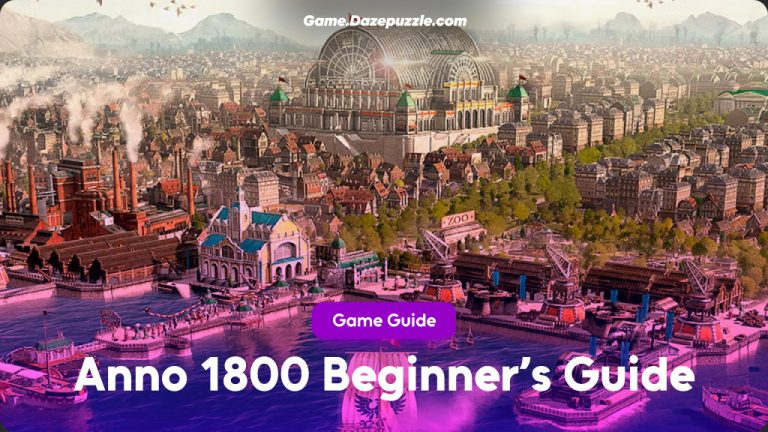
Released in 2019, Anno 1800 returned to historical roots while integrating modern gameplay design. Set during the Industrial Revolution, it blended old-world charm with cutting-edge mechanics. The game introduced a detailed workforce system, social classes, and trade unions.

Visually, it remains one of the most impressive city builders ever made, offering a cinematic look at 19th-century progress and ambition. Its mix of tradition and innovation earned it acclaim as one of the best strategy games of the decade.

Gameplay Mechanics That Define Anno

At its core, the Anno series revolves around economic balance. Players must ensure production chains flow efficiently—from raw materials to finished goods—while meeting the needs of a growing population. Each level of citizen demands new products, technologies, and infrastructure.

Trade remains vital. Players build fleets to exchange goods between islands, manage resource scarcity, and compete or cooperate with AI-controlled factions. Diplomacy, exploration, and warfare intertwine, but success always depends on economic stability and foresight.

The games also emphasise aesthetics. Unlike many strategy titles, Anno encourages creating beautiful, functional cities. Layouts affect productivity, happiness, and efficiency, rewarding thoughtful planning. Every street, harbour, and factory contributes to a living ecosystem that reacts to player decisions.

Anno and the Art of Strategy

One of the reasons Anno endures is its strategic depth. The series isn’t about conquering enemies through brute force—it’s about mastering systems. Economic management, trade optimisation, and logistics form the heart of gameplay.

Each instalment introduces new challenges that reflect its setting. In Anno 1404, managing fertile land and irrigation is key. In Anno 2070, balancing eco-friendly technologies against industrial might determines long-term survival. These evolving challenges keep the franchise fresh, relevant, and intellectually engaging.

The Role of AI and Diplomacy

AI in the Anno series simulates living competitors. Rival civilisations grow, trade, and react to the player’s actions. Diplomacy adds unpredictability, as alliances and conflicts shape global balance. Negotiations, treaties, and trade deals often prove more decisive than battles.

Players must manage relationships carefully. Aggression can bring quick gains but risks long-term instability. Successful diplomacy often leads to mutual growth and economic advantage, reinforcing the series’ focus on intelligent strategy over aggression.

Visuals, Sound, and Immersion

Anno games have always stood out for their attention to atmosphere. From the architectural beauty of medieval towns to the sleek skylines of futuristic megacities, every entry delivers visual artistry. The lighting, water effects, and environmental design immerse players in living worlds.

Soundtracks play a crucial role in immersion. The orchestral compositions evolve with civilisation’s progress—peaceful during prosperity, dramatic during crisis. Ambient sounds, from bustling markets to ocean waves, make cities feel alive. This sensory depth turns strategy into storytelling.

Community, Expansions, and Continuous Growth

The Anno community remains one of the most passionate in strategy gaming. Ubisoft supports each title with expansions, seasonal events, and community feedback. Anno 1800, in particular, continues to receive content updates, adding new regions, industries, and mechanics that enrich gameplay.

The developers’ engagement with players demonstrates a commitment to long-term quality. Player feedback influences updates, balancing systems, and future design choices. This collaboration between creators and fans keeps the series evolving naturally.

The Educational Value of Anno

Beyond entertainment, the Anno games offer lessons in economics, history, and environmental science. Players learn resource management, market dynamics, and cultural diversity through play. The series subtly teaches systems thinking—a skill relevant far beyond gaming.

Historically inspired titles like Anno 1404 and 1800 also encourage interest in real-world history, architecture, and technological progress. The blend of fun and education cements Anno as a rare series that stimulates both imagination and intellect.

The Future of the Anno Series

Ubisoft continues expanding the Anno universe with future projects designed for modern platforms. The focus remains on innovation while preserving the series’ core philosophy: balance, strategy, and beauty. Advancements in AI, simulation technology, and graphics promise even more realistic worlds and deeper mechanics.

With growing emphasis on sustainability and dynamic ecosystems, future Anno games are likely to explore environmental realism further. Players can expect richer narratives, smarter AI, and immersive simulation experiences that redefine what strategy gaming means.

Read More: Video Games Live Experience Gaming Music in Concert

Conclusion

The Anno series stands as a testament to the power of strategic creativity. Each game reflects its era—both in setting and in design philosophy. From the dawn of discovery to the age of industry and the frontiers of space, Anno captures humanity’s endless drive to build, explore, and innovate.

Whether you’re a newcomer or a long-time fan, the magic of Anno lies in its depth and balance. It’s not just about managing cities—it’s about understanding the systems that make civilisations thrive. With every new instalment, Anno reminds players that great strategy games are built not on chaos, but on harmony between vision, intellect, and imagination.

FAQs 

What are Anno games about?

Anno games focus on city-building, resource management, and economic strategy set across historical and futuristic eras.

Which Anno game is considered the best?

Many fans regard Anno 1404 and Anno 1800 as the best in the series for their depth, visuals, and immersive mechanics.

Is Anno 1800 suitable for beginners?

Yes, Anno 1800 offers tutorials and adjustable difficulty settings, making it beginner-friendly while still challenging for veterans.

Can you play Anno games offline?

Most Anno games can be played offline in single-player mode, though some features and updates require an internet connection.

Will there be a new Anno game soon?

Ubisoft continues developing new Anno projects focused on innovation and sustainability, expected to expand the series’ future.

Star Wars Board Games: Best Galactic Tabletop Adventures

0

Introduction

Star Wars board games bring epic battles, beloved characters, and dramatic conflict into living rooms and tabletops. Whether you favour light skirmish duels, strategic warfare, or immersive narrative adventures, the galaxy far, far away offers a board game to suit many tastes. In this article, I guide you through standout titles, design trends, player experience, and how to pick the best Star Wars board game for your group. I aim for readable, trustworthy insight underpinned by experience and informed by the community.

Why Star Wars Works in Board Gaming

Star Wars holds tremendous narrative weight, sprawling lore, and countless iconic visuals. Tapping into that world gives game designers rich storytelling and thematic leverage. Fans come eager to pilot an X-wing, lead troops on Hoth, or outwit rivals with the Force.

Beyond theme, successful Star Wars board games blend mechanics well with lore. They avoid mere reskinning; instead, they lean into asymmetry (Empire vs Rebels), varied victory paths, and tension between strategy and spectacle. That delicate balance between familiarity and fresh challenge defines the best entries in this genre.

Classic Titles That Defined the Space

One of the earliest Star Wars board games, Star Wars: Assault on Hoth, simulates the battle of Hoth from The Empire Strikes Back. In that two-player tactical game, the Empire attempts to destroy Rebel shield generators while the Rebels defend and evacuate transports. The game uses action cards and terrain across a hex map to recreate tension and strategic decisions. This title set the tone for many future Star Wars wargames.

Another classic is Star Wars: Epic Duels. Released in 2002, it allowed 2 to 6 players to take on hero and villain matchups. Each character might be paired with minor ones, giving layered options in combat and strategy. Though out of print, Epic Duels retains a cult following and often features in fan communities, facing off light side versus dark side.

Also important is Star Wars Miniatures by Wizards of the Coast, released between 2004 and 2010. That game used 34 mm miniatures, stat cards, and squad design to stage skirmish battles across eras. Players chose miniatures, built units around point budgets, and fought across scenarios. That collection introduced many to tactical miniature combat in Star Wars flavour.

Modern Hits: Deckbuilding, Commands & Colours, and More

In recent years, designers revived the Star Wars tabletop with fresh mechanics and modern expectations. A standout is Star Wars: The Deckbuilding Game. In this two-player duel, players adopt either Empire or Rebel identity. They build up deck power by buying cards from a shared galaxy row, while also attacking the opponent’s bases. A key twist: players may target cards in that galaxy row before the opponent acquires them, denying access and gaining rewards. The balance of the Force (a track reflecting tension) can tilt effects toward one side or the other. This modern design combines strategic tempo, card synergy, and narrative feel. 

Another new entry, Star Wars: Battle of Hoth, adapts the Commands & Colours ruleset to the Star Wars universe. In that game, players manoeuvre units over a hex grid, use orders via cards, and engage in patrol, cover, and capture objectives. The game’s strength lies in translating a war game staple into Star Wars terms, with accessible rules and thematic heft. Critics praise it as a solid gateway wargame, especially for fans new to deeper strategy. 

Projects like Star Wars: The Interactive Video Board Game — Assault on the Death Star also reflect experimental fusion. That 1996 release combined VHS video sequences with dice, cards, and board play. The video includes new scenes, in-game triggers, and tension as players raced the tape. That hybrid design was ambitious and ahead of its time. 

Design Patterns in Star Wars Board Games

One recurring pattern is asymmetry. Many games pit Rebels and Empire with distinct abilities, win conditions, or resource flows. That creates tension because one side may defend or delay while the other pressures or sieges.

Another pattern is multi-path victory. Good titles allow several routes to win: direct combat, objective control, sabotage, or attrition. That choice keeps the play fresh and reduces predictability.

Narrative integration also matters. The best games don’t just display famous names on cards; they tie actions to themes. For example, using Force abilities, playing heroic sacrifice, or triggering iconic moments gives emotional weight.

Component quality is a third key. Miniatures, art, custom dice, and modular boards anchor immersion. A finely detailed AT-AT model or sculpted hero figure strengthens the bridge between fiction and play.

Replay value stands as a final pillar. Games offering variable setup, modular boards, random events, or asymmetric roles endure longer. With Star Wars, expansions or scenario packs often expand that replayability.

What to Consider Before Buying

When choosing a Star Wars board game, reflect on your group’s preferences. If you like deep strategy, consider wargames or card-driven systems. If you prefer social interaction, party or bluff games in Star Wars skin might fit better.

Think about player count. Some fade at two players, others scale well to four or six. Check whether expansions or alternate modes exist.

Complexity matters. Newcomers to board games may prefer lighter, rule-friendly titles. More veteran players might relish deeper mechanics, economy, or engine building.

Also consider longevity and support. Games with active communities, expansions, and developer updates often last longer. Look for those living ecosystems when possible.

Player Experience: What Makes a Memorable Session

A memorable Star Wars board game session balances tension, meaning, and spectacle. You want moments where a bold move changes the tide. A narrow escape, a hero’s sacrifice, or a surprise turn can define memories.

Social dynamics add spice. Negotiation, alliances, and betrayals in multiplayer Star Wars games amplify drama. A Betrayal at Star Wars theme could be promising for groups that love intrigue.

Pacing matters. Games too slow can feel plodding, too swingy, and lose control. A good title maintains momentum, introduces escalation, and gives options even when behind.

Art and theming reinforce engagement. A well-painted miniature or striking card art helps the mind buy into the story you’re playing.

Challenges Unique to the Genre

One challenge is balancing fan expectations. Players expect to wield lightsabers, blow up Death Stars, or command fleets. If mechanics feel too removed from lore, players often reject them.

Another obstacle is licensing constraints. Designers must honour character rights, eras, and canon, which sometimes limit flexibility.

Scalability is tougher in epic board games. Larger player counts amplify downtime or imbalance. Modular mechanics or simultaneous turns can mitigate that, but the design must account for it.

Cost is also a factor. High-quality miniatures, custom dice, and licensing can push prices high. That may deter casual buyers.

Finally, replay fatigue looms. If scenarios become repetitive or the meta solidifies, even a beloved Star Wars game can suffer. That’s why expansions and variant setups are so important.

Trends and What’s Coming Next

Recent years show rising interest in deckbuilding, card combat, and hybrid video-board styles. Integrating an app or digital support helps smooth rules, automate effects, or randomise content.

Designers also experiment with asymmetrical multiplayer formats — for example, one player as the Emperor against multiple rebels, or hidden agenda modes.

Expansion support remains crucial. Many popular Star Wars games already plan modular add-ons introducing new characters, maps, or campaign systems.

Fan communities often develop custom variants, scenario packs, or fan expansions. This survival of community content helps games remain alive even if official support slows.

How to Start with Star Wars Board Games

If you’re new, begin with accessible titles like Star Wars: The Deckbuilding Game or Battle of Hoth. They teach rules quickly yet deliver thematic punch.

Then gradually layer deeper titles like Miniatures or Epic Duels. Study online forums, watch tutorial videos, and join local gaming groups.

Explore expansions and community content. Use painted minis or stock ones. Host demo nights, letting new players try small scenarios before climbing into full campaigns.

Above all, play often. Even flawed sessions teach design, strategy, and narrative flow.

Read More: TT Games: The Legacy Behind the Iconic LEGO Video Games

Conclusion

Star Wars board games span a rich spectrum from nostalgic classics to modern innovations. Their strength lies in coupling robust design patterns (such as asymmetry, narrative, and variable victory paths) with the emotional power of Star Wars lore.

While challenges like licensing, cost, and balancing exist, the best titles deliver immersion, tension, and lasting engagement. Whether you’re commanding rebel fleets or staging skirmishes on planets, the galaxy is always within reach at your table.

FAQs

What are Star Wars board games?

Star Wars board games are tabletop experiences inspired by the Star Wars universe, blending strategy, storytelling, and action.

Which is the best Star Wars board game?

Star Wars: Rebellion, Imperial Assault, and The Deckbuilding Game rank among the most popular choices for players.

Are Star Wars board games suitable for beginners?

Yes, many Star Wars board games have beginner-friendly rules, making them easy to learn and enjoy for new players.

How many players can join a Star Wars board game?

Most Star Wars board games support two to four players, though some titles offer larger multiplayer modes or solo play.

Where can I buy Star Wars board games?

You can purchase Star Wars board games online through Amazon, official publishers, or local hobby and game stores.

Black and White Cool Math Games: A Complete Guide

0

Introduction

Black and white cool math games combine logic, creativity, and minimalistic design into an experience that challenges the mind while keeping the visuals simple and elegant. These games prove that vibrant colours or flashy graphics are not essential to create something engaging. Instead, contrast, geometry, and logic come together to form puzzles that keep players thinking and improving their problem-solving abilities.

Over the past few years, cool math games with black and white themes have become increasingly popular among students, teachers, and puzzle enthusiasts. Their simplicity hides deep complexity, making them both accessible and intellectually stimulating. Let’s explore why these games stand out, what makes them so appealing, and which ones deserve your attention.

What Are Black and White Cool Math Games?

Black and white cool math games belong to the puzzle and logic genre, often hosted on educational platforms like Coolmath Games or similar learning sites. The primary design relies on a monochrome palette—only black, white, and shades of grey. This minimalist art direction reduces distractions and directs the player’s focus to strategy, logic, and timing.

These games range from simple click-based puzzles to complex level-based challenges requiring pattern recognition, mathematical reasoning, and spatial awareness. The absence of colour makes the gameplay sharper, forcing players to depend on analytical thinking rather than visual cues.

Why Minimalism Enhances Cognitive Skills

Minimalist design is more than an aesthetic choice. It influences how the brain processes information. In black and white cool math games, players face fewer visual stimuli, allowing deeper engagement with the problem itself. The mind doesn’t waste attention deciphering colourful graphics—it concentrates on movement, geometry, and logic.

This stripped-down style improves focus, strengthens short-term memory, and enhances problem-solving speed. Each decision feels deliberate. Every mistake teaches precision. The design becomes a mental workout that builds cognitive flexibility and patience, especially for students practising math and logic.

The Core Appeal: Challenge Through Simplicity

The magic of these games lies in their simplicity. At first glance, the black and white design seems plain, but within that simplicity exists depth. Each level or puzzle presents patterns that evolve gradually, introducing new mechanics without overwhelming the player.

Unlike high-speed, colour-saturated arcade titles, black and white cool math games reward patience and logic. Players learn to analyse before acting. Timing, sequencing, and prediction become key elements. Success requires understanding the system rather than reacting blindly.

This thoughtful gameplay loop keeps players immersed and intellectually active, turning what looks like leisure into a powerful educational tool.

How Black and White Games Support Learning

Teachers and parents often recommend these games as brain-training exercises. They help students build logical thinking and mathematical reasoning without feeling like they’re studying. The design encourages experimentation and perseverance—skills vital for success in math and science.

Through repetition and variation, players internalise patterns and develop strategies. Many puzzles involve counting moves, estimating distances, or predicting outcomes, all of which reinforce mathematical intuition. This playful learning approach transforms abstract math concepts into interactive experiences.

Notable Black and White Cool Math Games

1. Run Series (Monochrome Mode)

The Run series, though colourful in its original form, often features monochrome-inspired levels where visual simplicity meets challenging movement puzzles. Players guide a character through tunnels and platforms that twist gravity and test spatial logic.

2. Black by Bart Bonte

“Black” is a classic monochrome puzzle where players must make the entire screen turn black. Each level introduces a new rule or mechanic, keeping the player guessing and thinking creatively. The elegant design and relaxing music create a perfect blend of challenge and calm.

3. White

A spiritual successor to “Black,” this game reverses the challenge: turning the screen completely white. It seems straightforward, but it requires pattern recognition, precision, and intuition. Each puzzle feels fresh, rewarding curiosity and experimentation.

4. Factory Balls

Though occasionally colourful, Factory Balls often incorporates monochrome levels, emphasising logic and sequencing. Players must create a specific design using limited tools, requiring careful order and reasoning—an ideal exercise for logical thinkers.

5. One and One Story

This minimalist platformer uses black and white visuals to represent contrasting emotions and mechanics. It explores themes of love and distance through logical level design. The simplicity makes it memorable, while the math-based puzzle logic ensures mental engagement.

The Educational Value Behind the Aesthetic

Black and white cool math games are more than entertainment. They demonstrate how design influences learning. Monochrome visuals allow the player’s mind to focus on function and structure. This mirrors how mathematics operates—clarity, precision, and pattern over decoration.

Educators use such games to teach concepts like symmetry, geometry, and logic sequencing. Players unconsciously apply mathematical reasoning while solving each challenge, reinforcing critical thinking without traditional problem sets.

Moreover, these games improve patience and persistence. Each level teaches delayed gratification—a key component in effective learning. When players finally solve a tough puzzle, they experience satisfaction tied to effort and reasoning, not luck or speed.

The Psychology of Monochrome Gaming

Colours affect emotion and cognition. While bright hues often excite or distract, black and white evoke clarity and balance. The absence of colour stimulates the brain differently—it encourages depth rather than stimulation.

Players often describe these games as “calming yet challenging.” The black-and-white contrast mirrors yin and yang—the idea of harmony between opposites. This balance enhances focus, keeping the player alert but relaxed, an ideal state for learning and problem-solving.

The Role of the Coolmath Games Platform

Coolmath Games serves as a hub for educational entertainment. It curates games that stimulate logic and reasoning while remaining fun. Within its library, black and white titles stand out for their design purity and effectiveness in developing mental agility.

Students use the site to unwind after class, but the cognitive benefits linger. Each puzzle, no matter how playful, trains logical pathways similar to those used in algebra or geometry. This bridge between fun and learning embodies the essence of the platform.

Why These Games Remain Timeless

Trends change, but simplicity endures. Black and white cool math games thrive because they tap into fundamental human curiosity. The contrast-driven design never feels outdated. Each new puzzle offers the same satisfaction as solving a riddle centuries old.

As technology evolves, the minimalist approach feels refreshing amid visual overload. Players seeking mental clarity often turn to these games to reset their focus. They provide a digital detox—a return to thinking instead of reacting.

Tips for Maximising the Learning Experience

Play with intention. Observe patterns before acting. Reflect on mistakes to understand mechanics. Repetition builds mastery, and patience brings progress. Treat each puzzle as an opportunity to strengthen logical muscles rather than just pass the time.

Teachers can integrate these games into classrooms as short mental exercises or rewards for completed assignments. Parents can encourage children to play them as alternatives to mindless scrolling or video watching.

When approached thoughtfully, black and white cool math games transform from simple online puzzles into tools for lifelong learning.

The Future of Monochrome Learning Games

Developers continue exploring new ways to merge minimalism and education. With the rise of mobile learning, more black and white puzzle games appear on tablets and smartphones. These games use clean visuals, responsive design, and adaptive difficulty to personalise cognitive challenges.

Artificial intelligence and procedural design may soon make these games even more interactive, generating puzzles that adjust to individual skill levels. Yet, their visual essence will remain unchanged—proof that sometimes, the simplest colour palette creates the deepest experience.

Read More: TT Games: The Legacy Behind the Iconic LEGO Video Games

Conclusion

Black and white cool math games capture the spirit of logic, art, and education. Their minimalist design emphasises clarity and intellect over distraction, offering an elegant path toward sharper thinking. Whether you’re a student seeking mental practice, a teacher searching for educational tools, or simply someone who enjoys clever puzzles, these games deliver depth through simplicity.

In a digital world overflowing with colour and chaos, black and white cool math games remind us that intelligence thrives not in noise but in quiet contrast. Every click, every move, every solution becomes a step toward mastery—proving that brilliance often shines brightest in shades of black and white.


FAQs 

What are black and white cool math games?

They are minimalist puzzle and logic games using only black, white, and grey tones to challenge focus, reasoning, and pattern recognition.

Why are black and white math games popular?

Their simple visuals remove distractions, allowing players to concentrate on problem-solving and logical thinking, making them both fun and educational.

Are black and white cool math games suitable for kids?

Yes. These games are safe, educational, and designed to enhance cognitive skills, making them perfect for students of all ages.

Can I play black and white cool math games online for free?

Most of these games are available for free on educational sites like Coolmath Games, offering instant play without downloads.

How do these games help with learning math?

They strengthen problem-solving, logical reasoning, and pattern recognition—core skills that directly support mathematical understanding.

TT Games: The Legacy Behind the Iconic LEGO Video Games

0

TT Games stands as one of the most recognised names in the gaming industry, celebrated for its creative approach to family-friendly entertainment. Founded in 1989 as Traveller’s Tales, the studio transformed from a small development team into a powerhouse responsible for the globally acclaimed LEGO video games. Over the years, TT Games has built a reputation for blending humour, innovation, and nostalgia into every release, creating experiences that appeal to both children and adults.

While many game studios focus on realism and complexity, TT Games mastered the art of simplicity. The studio crafted accessible gameplay wrapped in clever storytelling, ensuring every player feels a sense of adventure, discovery, and joy. This unique formula turned LEGO titles into a cultural phenomenon, selling millions of copies worldwide and inspiring a generation of gamers.

The Early Years: Traveller’s Tales Before LEGO

Before the LEGO era, Traveller’s Tales explored various genres across multiple platforms. In the early 1990s, the studio gained attention for developing titles such as Puggsy and Mickey Mania: The Timeless Adventures of Mickey Mouse. These games showcased TT’s talent for imaginative design and technical skill, earning respect within the gaming community.

Traveller’s Tales worked with major publishers, including Sega and Disney, producing visually impressive and mechanically solid titles for the time. However, it was not until the early 2000s that the company discovered its defining direction—the fusion of the LEGO brand with interactive storytelling. This partnership became the cornerstone of its identity, setting a new standard for family-oriented gaming.

The Birth of LEGO Star Wars: A Defining Moment

In 2005, TT Games launched LEGO Star Wars: The Video Game, a collaboration that would change gaming history. The concept sounded simple: retell the Star Wars prequel trilogy using LEGO characters and environments. Yet, what made the game remarkable was its execution. TT Games infused humour into the familiar narrative, using visual comedy and slapstick moments that resonated with all ages.

Players discovered a game that combined puzzle-solving, platforming, and exploration with lighthearted storytelling. The absence of dialogue emphasised creative animation, making the experience universally understandable. LEGO Star Wars became an instant success, praised for its charm and accessibility. Its commercial triumph laid the foundation for future LEGO adaptations, expanding the brand into an entire gaming universe.

Evolution of TT Games and Its LEGO Universe

Following the success of LEGO Star Wars, TT Games embraced a formula that balanced consistency with innovation. Each new release refined the mechanics, added new features, and explored fresh franchises. The studio produced hits such as LEGO Batman, LEGO Indiana Jones, LEGO Harry Potter, and LEGO Marvel Super Heroes. Every title captured the spirit of its respective franchise while maintaining TT’s signature humour and family-friendly tone.

The studio also experimented with open-world exploration, giving players freedom to roam massive environments filled with collectables, secrets, and side missions. Games like LEGO City Undercover and LEGO Marvel’s Avengers demonstrated the studio’s evolution beyond linear storytelling. TT Games proved capable of delivering depth and replay value without losing its accessible nature.

Over time, TT Games became synonymous with quality. Parents trusted its titles to provide safe and engaging content, while older players appreciated the clever references and nostalgic value. This dual appeal became one of TT Games’ greatest strengths.

The Creative Philosophy Behind TT Games

At the core of TT Games’ success lies a simple but powerful philosophy—make fun the priority. Every project begins with a focus on enjoyment rather than complexity. The development team crafts experiences designed to evoke laughter, curiosity, and satisfaction. This approach aligns perfectly with the LEGO brand’s core message: creativity through play.

TT Games also emphasises teamwork and storytelling. The studio’s developers and designers collaborate closely to ensure each level feels dynamic and alive. Every character animation, puzzle, and sound effect contributes to a coherent, immersive experience. Attention to detail ensures players feel connected to the world, no matter their age or gaming background.

Innovation remains a constant driver. From split-screen co-op to interactive hub worlds, TT Games continually redefines what a LEGO game can be. The studio’s willingness to experiment while preserving its recognisable identity keeps its audience engaged year after year.

TT Games and Warner Bros. Interactive

In 2007, Warner Bros. Interactive Entertainment acquired TT Games, solidifying its place within one of the entertainment industry’s largest ecosystems. The acquisition provided the studio with greater resources, licensing opportunities, and marketing reach. This partnership allowed TT Games to expand its creative potential and explore even larger projects.

Under Warner Bros., the studio continued to release successful LEGO titles tied to blockbuster franchises. Collaborations extended to The Lord of the Rings, Jurassic World, and DC Super-Villains, each reinforcing TT Games’ position as the leader in family gaming. The support from Warner Bros. ensured high production values, wider distribution, and integration with the film and television divisions—creating a powerful synergy between media and gaming.

Expanding the LEGO Experience Beyond Consoles

TT Games’ influence extends beyond traditional consoles. With mobile and handheld adaptations, the studio made LEGO gaming more accessible than ever. Portable versions retained the essence of their console counterparts while introducing unique mechanics suited for touchscreens. These releases broadened the studio’s reach, allowing players to enjoy the LEGO experience anytime, anywhere.

The rise of next-generation platforms further enhanced TT Games’ creativity. Advanced hardware enabled richer graphics, larger worlds, and smoother gameplay. Games such as LEGO Star Wars: The Skywalker Saga showcased the studio’s technical evolution, combining cinematic storytelling with open-world freedom. This release became one of the most ambitious projects in TT Games’ history, representing years of dedication to both innovation and fan service.

TT Games’ Impact on the Gaming Industry

TT Games redefined what licensed games could achieve. Before its success, many licensed titles were viewed as quick adaptations with limited creativity. TT Games shattered that perception, proving that licensed properties could inspire genuine artistry and enjoyment. The studio’s consistent quality elevated LEGO video games to a respected genre of their own.

Its influence also shaped how developers approach humour and accessibility. TT Games demonstrated that games can be lighthearted yet deep, easy to play yet rewarding. Its design philosophy inspired countless developers to prioritise fun and inclusivity, setting a model for family entertainment in the interactive medium.

Moreover, TT Games’ titles fostered intergenerational connections. Parents and children could play together, share laughter, and bond over familiar stories. This emotional resonance cemented TT Games as a beloved household name, far beyond the typical boundaries of gaming demographics.

Challenges and the Future of TT Games

Despite its success, TT Games faces challenges in a rapidly evolving industry. Player expectations continue to grow, demanding deeper mechanics, improved visuals, and constant innovation. The gaming landscape now includes live-service models, virtual reality, and cross-platform integration—areas that may shape the studio’s next chapter.

In recent years, TT Games has taken steps to modernise development processes and refresh its creative direction. The studio continues to explore ways to enhance storytelling, improve co-op experiences, and embrace new technologies. Fans anticipate future announcements with excitement, eager to see how the iconic LEGO brand will evolve under TT Games’ guidance.

The Legacy of TT Games

TT Games built more than video games—it built memories. Its unique blend of humour, creativity, and craftsmanship turned plastic bricks into living stories. Generations of players grew up solving puzzles, collecting studs, and laughing at the playful parodies of their favourite films. Each title carries a spark of imagination that defines TT Games’ enduring legacy.

As gaming continues to advance, TT Games remains a reminder that joy and simplicity can stand the test of time. Its commitment to quality, innovation, and heart-driven storytelling ensures that it will continue to shape the industry for years to come. Whether it’s a galaxy far, far away or the streets of Gotham City, TT Games invites everyone to play, laugh, and build—one brick at a time.

Read More: Video Games Live Experience Gaming Music in Concert

Conclusion

TT Games has built an extraordinary legacy through passion, creativity, and innovation. From its humble beginnings as Traveller’s Tales to its rise as the force behind the LEGO gaming universe, the studio has consistently delivered joy, humour, and high-quality entertainment. Its games continue to bridge generations, offering experiences that celebrate imagination and storytelling in their purest forms.

As TT Games embraces new technologies and creative directions, its legacy as a pioneer of family-friendly gaming remains secure. The world eagerly awaits the next adventure this iconic studio will bring to life—one brick at a time.

FAQs

What is TT Games known for?

TT Games is best known for creating popular LEGO video games that combine humor, storytelling, and family-friendly gameplay.

When was TT Games founded?

TT Games was founded in 1989 under the name Traveller’s Tales before evolving into its current brand.

What was the first LEGO video game by TT Games?

The first LEGO video game by TT Games was LEGO Star Wars: The Video Game, released in 2005.

Who owns TT Games?

TT Games is owned by Warner Bros. Interactive Entertainment, which acquired the studio in 2007.

What are TT Games’ most popular titles?

Some of the most popular TT Games titles include LEGO Star Wars, LEGO Batman, and LEGO Harry Potter.

Video Games Live Experience Gaming Music in Concert

0

Introduction

The fusion of symphonic music with the world of gaming has given birth to one of the most unique entertainment experiences in modern culture. Video Games Live brings beloved soundtracks from iconic titles onto the stage, performed by professional orchestras and choirs. This concert series is not just about hearing familiar melodies; it is about celebrating the art, creativity, and cultural influence of gaming. Understanding what makes Video Games Live such a phenomenon requires looking at its history, format, and impact on audiences worldwide.

Origins of Video Games Live

Video Games Live was founded in 2002 by Tommy Tallarico, a well-known composer and industry veteran. His vision was to showcase video game music as a legitimate art form, equal to classical or film scores. The concept gained momentum quickly, with its first official performance taking place in 2005 at the Hollywood Bowl in Los Angeles. Since then, the production has toured globally, reaching audiences across North America, Europe, Asia, and beyond. The show’s longevity speaks to the growing recognition of video games as cultural cornerstones.

The Experience of a Live Concert

Attending a Video Games Live concert feels very different from a traditional orchestral event. Audiences are encouraged to cheer, clap, and even participate in interactive segments. Large screens display synchronised game footage while the orchestra performs, creating a multisensory spectacle. From the haunting melodies of role-playing games to the adrenaline-driven beats of action titles, the experience captures both nostalgia and excitement. Each performance is carefully designed to immerse fans not only in music but also in the emotional worlds of their favourite games.

Games and Music Featured in the Show

One of the reasons Video Games Live continues to thrive lies in the diversity of its musical lineup. Titles from multiple generations and genres appear on stage, ensuring broad appeal. Classic franchises such as The Legend of Zelda, Super Mario Bros., and Final Fantasy share space with modern blockbusters like Halo, World of Warcraft, and League of Legends. The variety allows audiences of all ages to connect with the performance. Each arrangement highlights the craftsmanship of the composers who created these memorable soundscapes.

The Role of Orchestras and Choirs

Unlike a typical game soundtrack played through speakers, Video Games Live uses live orchestras and choirs to bring music to life. This elevates the sound, adding depth and resonance that recordings cannot replicate. Musicians collaborate closely with gaming visuals to synchronise every note with on-screen action. The presence of a choir adds grandeur, particularly during pieces that feature epic themes or dramatic climaxes. The combination transforms gaming music into an unforgettable live art form.

Community and Fan Involvement

Video Games Live thrives because it fosters a strong sense of community. Gamers, musicians, and fans gather not only to enjoy the music but also to celebrate their shared passion. Interactive segments invite audience members to play games on stage while the orchestra provides the soundtrack in real time. Cosplay contests further enhance the communal spirit, turning each concert into a gathering of creative energy. These elements make the experience inclusive and engaging, extending beyond passive listening into full participation.

Educational Impact of Video Games Live

The concert series also plays a role in music education and advocacy. Many performances include pre-show events where students and aspiring musicians can meet professionals, attend masterclasses, and learn about careers in the industry. By presenting video game music as serious art, Video Games Live introduces younger generations to orchestral instruments and composition. This inspires new interest in both gaming and traditional music, bridging cultural gaps between generations.

Recognition of Video Game Music as Art

For decades, video game music remained overlooked outside of the gaming community. Video Games Live helped change that perception. By showcasing scores in prestigious concert halls around the world, the series validates video game soundtracks as complex, emotional, and worthy of recognition. Today, gaming music regularly appears in academic discussions, symphony programs, and even award ceremonies. Much of this cultural shift can be traced back to the work of productions like Video Games Live.

The Global Reach of the Concert Series

From its beginnings in Los Angeles, Video Games Live has expanded across continents. Concerts have been performed in over 40 countries, reaching millions of attendees. Each region adds its own flavour, with local orchestras and cultural elements contributing to the performance. This global reach reflects the universal appeal of video games, which transcend language and geography. No matter where it takes place, the essence of the show remains the same: celebrating the bond between music and gaming.

Technology and Production Design

Behind the scenes, Video Games Live relies on cutting-edge technology to create its signature experience. High-definition screens display carefully edited video sequences synchronised to the music. Lighting design enhances mood, shifting colours and effects to match the tone of each piece. The integration of live music, video, and stage production requires precise coordination. The result is a polished, professional show that feels as exciting as the games it represents.

Why Video Games Live Matters

Video Games Live is more than a concert series; it represents a cultural milestone. It demonstrates that gaming has matured into an art form with broad appeal. It validates the work of composers who craft soundtracks with as much care as filmmakers or classical composers. For fans, it provides an opportunity to relive emotional memories while connecting with others who share the same passion. For musicians, it offers a platform to perform complex, beautiful music in front of enthusiastic audiences.

Looking Toward the Future

As gaming continues to evolve, so will the music that defines it. Video Games Live has the flexibility to adapt, incorporating new titles and experimental arrangements. Virtual reality and streaming technologies may even expand the concert experience into digital spaces, allowing fans who cannot attend in person to participate. The growing recognition of gaming music in mainstream culture ensures that the series will remain relevant for years to come.

Read More: PETA Games: Activism, Parody, and Awareness Online

Conclusion

Video Games Live has achieved something remarkable by uniting the worlds of gaming and symphonic performance. What began as a bold idea has grown into a global celebration of music, creativity, and community. It proves that the emotional power of video game music belongs not only in living rooms but also in concert halls. For fans, musicians, and industry professionals alike, attending a performance offers more than entertainment—it provides a sense of belonging to a cultural movement.

As the gaming industry continues to expand, Video Games Live will remain a vital reminder of how deeply music shapes our experiences. Whether you are a lifelong gamer or someone discovering the art of game soundtracks for the first time, the concert offers an unforgettable journey through the soundscape of modern interactive culture.

FAQs

What is Video Games Live?

It is a live concert series featuring orchestras and choirs performing music from popular video games.

Who created Video Games Live?

It was founded in 2002 by composer Tommy Tallarico to showcase video game music as an art form.

What games are featured in Video Games Live?

The show includes classics like Zelda, Mario, and Final Fantasy alongside modern titles such as Halo and World of Warcraft.

Where does Video Games Live perform?

It tours worldwide, performing in concert halls and venues across North America, Europe, Asia, and beyond.

Why is Video Games Live important?

It celebrates gaming culture, elevates video game music to mainstream recognition, and inspires new audiences to enjoy orchestral performance.

PETA Games: Activism, Parody, and Awareness Online

0

When you hear “PETA games,” you likely picture creative, provocative titles produced by the animal rights organisation PETA (People for the Ethical Treatment of Animals). These are not mainstream commercial blockbusters but smaller, often satirical or educational games designed to highlight cruelty, provoke thought, and promote vegan or animal-friendly practices. Over the years, PETA has used games as a form of engagement, pushing beyond posters and campaigns into interactive media.


Why PETA Turned to Video Games

PETA’s mission revolves around changing attitudes toward animals and raising awareness of cruelty in industries like food, fashion, entertainment, and research. Games offer a way to reach new audiences, especially younger people, in a format they engage with daily. Rather than just telling someone not to eat meat, PETA’s games sometimes let players experience scenarios that mirror real ethical dilemmas or moral contradictions.

Parody games allow PETA to tap into popular franchises, using familiar mechanics or visuals to deliver a message. That approach lowers friction: someone might try a parody out of curiosity, then absorb the idea behind it. In that sense, PETA games act as a bridge between activism and entertainment.

Not all PETA games are parodies. Some are more straightforward or educational. On PETA’s site and the PETA Kids platform, there are games meant for children—simple, colourful, with clear animal-friendly themes. These help cultivate empathy early.

Notable PETA Games Through History

One of the earliest PETA game types was browser games that openly mocked or subverted popular titles. PETA satirical browser games include Super Chick Sisters, a parody of New Super Mario Bros. , where players control two chicks trying to rescue Pamela Anderson from fast food. Another is Cooking Mama: Mama Kills Animals, a twist on Cooking Mama, casting the chef as violent and highlighting slaughter. These games intentionally shock, using exaggeration to force a second glance at routine meat consumption. 

A more pointed example is Pokémon Black and Blue, a parody of Pokémon Black/White, recasting the world of trading and battling creatures as one of exploitation. In that game, Pikachu seeks to free other Pokémon from abusive trainers. 

Super Tofu Boy is another interesting PETA title. It parodies Super Meat Boy. The player controls a tofu hero rescuing his girlfriend while the meat-based antagonist kidnaps her. The game layers in propaganda lines supporting veganism. Interestingly, the original Super Meat Boy released a patch later allowing Tofu Boy as a playable character, likely in response to PETA’s parody. 

Then there are educational or kid-oriented PETA games offered through PETA Kids. These include titles like Kitten Squad, Turkey Lurkey: Master of Disguise, Explore PETA’s Minecraft Island, and Seals Hero. These tend to be gentler, less satirical, and aimed at building empathy rather than confrontation. 

On a different note, PETA collaborated in creating an arcade-style game called “Meat Is Murder: The Game” in partnership with The Smiths, using the same title as the band’s famous song. Players save farm animals from falling toward blades, combining protest with rhythm or reflex gameplay. 

Reception, Criticism, and Impact

PETA’s games generate strong reactions, both supportive and critical. On one hand, some media and academics acknowledge innovation in activism games—turning messaging into an interactive experience, allowing players to internalise ethical arguments rather than passively receive them.

On the other hand, many gaming journalists and fans have criticised PETA’s approach as heavy-handed, tone deaf, or simplistic. Some feel the parodies misread mechanics or context, turning satire into preachiness. Forbes once described PETA’s game campaigns as “a long parade of silly protests.” 

Original game creators have sometimes responded. After PETA released Super Tofu Boy, the Super Meat Boy developers added Tofu Boy characters as playable options. Some parody games have drawn accusations of copyright infringement or misuse of IP, though many remain small web browser titles not aggressively prosecuted. 

Criticism also extends to whether shock or exaggeration is effective in changing behaviour. A provocative game might generate headlines, but does it change diets or beliefs? Some experts argue that a deeper narrative or sustained engagement might be more effective than parody stunts.

Nevertheless, PETA’s games have achieved visibility. Even sceptics sometimes play them out of curiosity, spreading awareness. At their best, these games spark conversation: about food systems, cruelty, or the relationship between humans and animals.

How PETA Games Work (Mechanics & Themes)

Most PETA games invert or twist common mechanics in familiar genres. A platformer becomes an argument. A puzzle forces choices about conservation. A parody mimics the structure of a popular franchise but with moral weight.

In Super Tofu Boy, the movement and platforming mimic the original Super Meat Boy, but the narrative and visuals condemn violence and meat consumption. The very mapping of genre expectations becomes commentary. 

In Pokémon Black and Blue, PETA reinterprets turn-based battles as emotional confrontation: the goal is liberation, not dominance. The claim is that what seems normal in mainstream games—capturing and fighting creatures—conceals an ethical issue. 

The PETA Kids games tend to simplify mechanics for empathy. Saving animals, exploring environments, or helping species without violent conflict predominate. Such games aim to build compassion rather than guilt.

Parody games often lean on shock: gore, exaggeration, sudden reveals. They exaggerate violence or cruelty to make something which is abstract (slaughter, factory farming) more visible. But because they mimic beloved games, they court controversy: some players feel the parody attacks their leisure, not behaviour.

Educational PETA games tend to use quizzes, memory tasks, or light interactivity. Their tone is more benign, less confrontational, and more about planting seeds than preaching transformation.

Best Examples & What They Teach

Super Chick Sisters remains a classic. By recasting Mario’s platforming world into one where chicks protest fast food, PETA draws attention to chicken farming’s cruelty. The game balances fun movement and messaging. 

Cooking Mama: Mama Kills Animals is more aggressive. The parody subverts the nice cooking fantasy, making the chef into an executioner. The shock is the point. Many praised it for boldness but criticised it for alienation. 

Super Tofu Boy stands out for its clever contrast. It uses the same engine as a violent game to make a vegan message. This flipping of roles is potent when done with care.

Meat Is Murder: The Game combines activism with rhythm or reflex challenge. It works less as a parody, more as a direct protest in game form. The symbolic weight (saving falling animals, avoiding blades) is obvious, but for many players, that bluntness is a feature. 

These games teach core lessons: how mechanics can carry moral weight, how parody recontextualises play, and how activism can leverage interactivity to provoke reflection.

Prospects, Risks, and Future of PETA Games

Looking forward, PETA’s path with games faces opportunities and risks. On the positive side, advances in mobile, VR, AR, and casual platforms make it easier to launch lightweight but widely accessible activism games. A mobile PETA game could reach millions beyond web browser audiences.

There’s room for deeper narrative titles—games where players maintain a sanctuary, negotiate farming policies, or manage conservation. These could combine entertainment and ethics without relying solely on parody or shock.

However, risks include alienation: heavy messaging may push away gamers. Parody may clash with IP rights. Oversimplification of complex issues may backfire. Also, sustained impact is uncertain—games may generate buzz, but behaviour change is harder.

Importantly, credibility, transparency, and quality matter. If PETA wants games to enhance its trust and authority, ensuring solid mechanics, respectful design, and integrity is vital.

In academia and activism circles, PETA’s games may be cited as case studies in persuasive design or “serious games.” Their presence already raises questions about the intersection of ethics and play.

Read More: Grandfather Mountain Highland Games: Scottish Heritage

Conclusion

PETA games represent a bold experiment at the crossroads of activism and entertainment. They are not typical commercial titles, but tools of protest, persuasion, and outreach. Through parodies like Pokémon Black and Blue, Cooking Mama: Mama Kills Animals, or Super Tofu Boy, PETA challenges the acceptance of cruelty behind everyday choices.

These games provoke, shock, entertain, and inspire. Their merit depends on your perspective: for some, they are blunt but effective; for others, they overstep or oversimplify. Yet the very idea that an activist organisation uses games as part of its toolkit shows recognition of how deeply play shapes culture. Whether PETA’s games shift minds or spark debates, they expand the terrain of activism into the interactive.

FAQs

What are PETA games?

PETA games are online titles created by PETA to raise awareness about animal rights through parody and education.

Why does PETA make video games?

PETA makes games to engage younger audiences and spread animal rights messages in an interactive way.

What is the most popular PETA game?

Pokémon Black and Blue, Cooking Mama: Mama Kills Animals, and Super Tofu Boy are among the most recognised.

Are PETA games free to play?

Yes, most PETA games are free and available on the official PETA and PETA Kids websites.

Do PETA games have an educational purpose?

Yes, they aim to teach compassion for animals, expose cruelty, and promote vegan or cruelty-free lifestyles.