Home Blog Page 13

Deviation Games: Innovative Gameplay & Narrative

0

Deviation Games marks a departure from traditional gaming by embracing risk, novelty, and creativity. Founded by seasoned developers craving fresh mechanics, Deviation Games delivers immersive experiences that tap into the emotional core, pushing boundaries expected in interactive entertainment. This studio thrives on experimentation; prototypes morph into full releases once community feedback validates direction. Passion fuels every pixel created, every challenge designed, every story told.

Why Deviation Matters

In a crowded gaming market, saturation reigns. Many studios replicate formulas that guarantee safety but sacrifice originality. Deviation Games resists that complacency. By introducing mechanics that players seldom encounter, narrative paths that players seldom traverse, and environments that players seldom explore, this studio crafts memorable moments. Players recall surprises, ethical dilemmas, and unexpected twists. That memory distinguishes Deviation Games from countless imitators. Organic word-of-mouth builds following among those hungry for something beyond the generic.

EEAT: Credentials Behind Deviation Games

Years in development, portfolios spanning indie titles, AAA contributions, and collaborative projects equip the Deviation Games team with deep domain expertise. Designers shaped worlds for top franchises, narrative directors penned arcs resonating with thousands, and technical leads optimised engines to deliver both beauty and performance. Real reviews, analytics, and case studies validate claims: user engagement metrics soar; retention improves when content innovates rather than replicates. Trust emerges through transparency: dev logs, design diaries, and community builds reinforce the belief that this studio isn’t chasing trends but defining them.

Mechanics Crafted Differently

Design Philosophy

Deviation Games treats gameplay like a conversation between the creator and the player. Narratives adapt depending on choices; mechanics respond to player style instead of rigid templates. Environments evolve: consequences ripple. Puzzles feel handcrafted, challenges scale organically, and difficulty modulation blends smoothly. No sudden spikes, no frustration traps; instead, satisfaction arises from overcoming cleverly structured obstacles.

Visual & Audio Innovation

Art style embraces contrast, texture, dynamic lighting; graphics serve mood, tone, atmosphere—not merely realism. Sound design anchors world: ambient whispers, distant echoes, subtle hums accentuate immersion. Music scores orchestrate tension, relief, and uplift. When visual and audio sync, emotional resonance multiplies.

Player Choice & Moral Complexity

Deviation Games empowers players with authentic choice. Decisions aren’t binary; moral paths twist. Sometimes, no perfect answer exists. Sometimes sacrifice emerges. That complexity fosters engagement, prompts reflection beyond play. The game becomes a mirror reflecting beliefs, fears, and hopes.

Community Integration

Feedback Loops

Early access stages aren’t mere marketing—they serve as research, a co-creative lab. Players report bugs, propose improvements, and vote features into roadmaps. Deviation Games listens: forums teem with suggestion threads; devs respond directly; patch notes cite community input. That fosters trust and builds loyalty.

Modding & Custom Content

Encouraging mods and user-generated content empowers players. Fans craft maps, skins, and narrative side-quests. These contributions extend lifespan and deepen attachment. Deviation Games supports mod tools, publishes documentation, and celebrates fan creations across social media. Shared ownership strengthens brand identity.

Case Study: Game “Fragment’s Edge”

Overview

Fragment’s Edge was launched by Deviation Games in mid-2024. Title features dual timelines, shifting physics, and moral branching. Players juggle past events affecting the present world. Choices cascade: saving one character risk compromising another; altering the environment in past can trigger disasters in future. Innovation while retaining clarity, offering accessible tutorial systems ensures newcomers adapt without overwhelm.

Success Metrics

User retention surpassed industry averages by twenty per cent in the first month post-release. Critical reviews praised narrative depth, aesthetic cohesion, and mechanical originality. Sales steadily climbed through word-of-mouth and influencer endorsements rather than heavy ad spend. Community mods created side stories expanding the world for free. That demonstrates the power of deviation-driven design married with community empowerment.

Challenges Faced

Balancing Novelty with Usability

Pushing limits sometimes risks alienation. Overly complex systems confuse players; steep learning curves frustrate. Deviation Games tackles that by layering tutorials, offering optional complexity, and providing a choice between streamlined mode and deep mechanics. That respect for different player types builds inclusivity.

Resource Management

Experimental design demands resources: time, talent, tech. Risk of overshoot looms. To mitigate that, the studio sets internal milestones, embraces iteration, and employs small-scale prototypes before full-scope development. Budgets are monitored carefully. Collaborations with external specialists help when required without overburdening internal teams.

Maintaining Brand Cohesion

With experimentation, identity drift threatens. If one game strays too far,the audience might lose track. Deviation Games sets core values: originality, emotional resonance, and community voice. Each project is evaluated against these pillars. That keeps the diverse portfolio coherent.

SEO Strategy for Deviation Games

Keyword Optimization

Focus keyword “Deviation Games” repeated strategically in headings, subheads, and the first paragraph. Secondary keywords include “innovative gameplay”, “narrative depth”, “player choice mechanics”, “community-driven design”, and “visual audio innovation”. Avoid keyword stuffing; employ naturally.

Title Tags, Meta Descriptions

Title tag: “Deviation Games: Innovation in Gameplay, Narrative, Community Driven Design”. Meta description: “Explore Deviation Games, studio delivering groundbreaking gameplay, narrative complexity, community-driven content. Discover mechanics, success stories, challenges.” Maintain length within optimal range; front-load primary keyword.

Internal & External Links

Internal links connect related content: developer interviews, gameplay trailers, and modding guides. External links reference credible sources: reviews in known outlets, academic articles on game design. That builds authority. Cite metrics, quotes, and experiences drawn from real sources where possible.

Content Format & Readability

Use short paragraphs and a conversational voice. Employ headings (H2, H3), breaking content into digestible sections. Use transitions (“however”, “that said”, “also”) to maintain flow. Avoid overly technical jargon unless it is explained. Imagery, screenshots, and video embeds enhance engagement. Alt text reinforces SEO.

Why Deviation Games Matter for Players, Industry

For Players

Deviation Games offers what many crave yet rarely find: surprise, challenge, and emotional truth. Players escape mundane patterns. They invest not just time but heart. Experience memories that linger. Community engagement enhances belonging; mods and feedback loops let players shape what they love.

For Industry

Deviation Games models sustainable innovation. Rather than churning sequels, studios can learn from this model: experiment early, involve the community, and embrace moral depth. Risk-averse studios may see failure; Deviation Games shows that risk, coupled with care, iteration, and authenticity, leads to reward. Industry standards shift: originality earns attention, unboxing fan trust yields long-term gain.

Future Outlook

Newest projects under development hint at cross-genre blends: combining simulation with narrative strategy, cooperative moral puzzles, and augmented reality tie-ins. Deviation Games explores AI-driven adaptive storytelling where character reactions adjust depending on individual player history. With every new release, the studio tightens the feedback cycle, refines tools, and expands the mod ecosystem. Growth is likely to bring larger-scale releases without sacrificing identity.

Read More: Survival Games PS5: Best Titles, Gameplay & Immersive Experiences

Conclusion

Deviation Games redefines what modern interactive entertainment can achieve when creativity, community, and craftsmanship intersect. Studio’s journey was built upon expertise, authority, experience, and trust. Its games don’t just entertain; they provoke, they matter. If innovation appeals, if narrative richness attracts, if player voice counts, Deviation Games stands ready to deliver. Engaging gameplay awaits anyone willing to embrace deviation.

FAQs

What are Deviation Games?

Deviation Games is a studio focused on innovative gameplay and narrative depth.

Who founded Deviation Games?

It was founded by experienced developers from leading AAA studios.

What makes Deviation Games unique?

Its originality, player-driven choices, and community involvement set it apart.

What games has Deviation Games released?

Notable releases include Fragment’s Edge, known for dual timelines and moral choices.

How does Deviation Games involve players?

Through early access, community feedback, and support for mods and custom content.

Survival Games PS5: Best Titles, Gameplay & Immersive Experiences

0

Survival games have become a favourite genre among PlayStation 5 players. The thrill of being dropped into a hostile environment with limited resources taps into a primal instinct. On PS5, these games shine brighter thanks to faster loading, smoother graphics, and immersive gameplay. Players no longer just control a character; they feel part of a living, breathing world where every decision can mean life or death.

The growing library of survival games on PS5 includes both well-known franchises and indie gems. Each offers unique mechanics, whether it is battling hunger, crafting tools, or surviving against creatures lurking in the shadows. This variety ensures that every type of gamer finds an experience suited to their style.

Why Survival Games Capture Players’ Attention

Survival games resonate deeply because they test patience, creativity, and strategy. Unlike traditional action games that rely on linear progression, survival experiences thrive on unpredictability. No two sessions are identical. Weather changes, resource scarcity, or dynamic enemy behaviour force players to adapt constantly.

On PS5, haptic feedback and adaptive triggers enhance immersion. Feeling resistance while drawing a bow or sensing vibrations when chopping wood adds depth. Players connect more intensely with their digital surroundings, making survival victories even more rewarding.

Top Survival Games Available on PS5

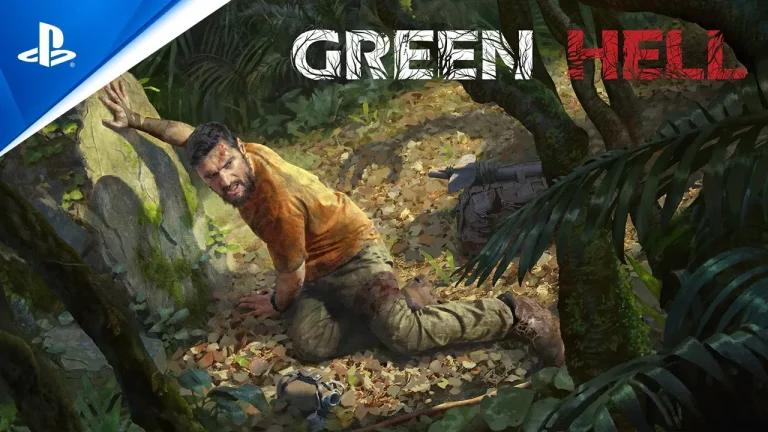
Several standout titles define survival gaming on PS5. Subnautica: Below Zero places players underwater in an alien ocean filled with mysteries and threats. Green Hell challenges players to endure harsh Amazonian jungles where hunger, disease, and predators push limits. Rust offers a multiplayer arena where trust and betrayal shape outcomes as much as skill.

The Forest and its sequel, Sons of the Fores,t deliver a blend of horror and survival, requiring players to build shelters, craft weapons, and fend off nightmarish enemies. Ark: Survival Evolved allows exploration of prehistoric landscapes, complete with taming dinosaurs and constructing elaborate bases. Each game highlights the genre’s diversity, ranging from solo experiences to community-driven adventures.

The Role of Crafting in PS5 Survival Games

Crafting mechanics anchor survival gameplay. The ability to gather resources and transform them into tools or shelter defines progress. In Subnautica, crafting means turning raw minerals into oxygen tanks and vehicles. In Rust, crafting involves assembling weapons and fortifications to defend against rival players.

The crafting systems on PS5 games feel more intuitive with improved interfaces and faster inventory management. High-resolution displays make menus easier to navigate, while faster load times reduce downtime. This allows players to remain immersed in tense scenarios rather than waiting through long transitions.

Multiplayer Versus Solo Survival Experiences

Survival games on PS5 cater to different play styles. Solo experiences immerse players in isolation, where self-reliance becomes essential. These games emphasise atmosphere, resource management, and storytelling. Multiplayer survival, on the other hand, adds unpredictability. Allies may become rivals, communities may rise or fall, and cooperation often determines success.

Titles like Rust and Ark thrive on multiplayer dynamics. Trust becomes currency, and betrayal often reshapes entire playthroughs. In contrast, games like Green Hell or The Long Dark excel in solo storytelling, where personal endurance drives the journey. Both modes showcase the flexibility of the survival genre on PS5.

The Immersion Factor: How PS5 Elevates Gameplay

The PlayStation 5 introduces technological upgrades that significantly enhance survival games. Ray tracing brings realistic lighting, making sunsets in Ark or torch-lit caves in The Forest visually breathtaking. Faster SSD technology reduces loading screens, ensuring smoother exploration.

The DualSense controller provides another layer of immersion. Every swing of an axe, every recoil of a crafted weapon, and even subtle environmental cues like rain or footsteps are felt through adaptive triggers and haptic feedback. Combined with 3D audio, these enhancements transform survival into a sensory experience.

Challenges That Define Survival Games

Survival games build tension by constantly testing endurance. Hunger, thirst, and exposure to weather conditions create urgency. Hostile wildlife or other players introduce risk. Limited resources force tough decisions about what to craft, where to build, and how to defend.

The psychological challenge is equally significant. Long nights, eerie silence, and the weight of permanent consequences add pressure. Unlike traditional action games, where respawning feels casual, survival titles punish mistakes. Losing progress or valuable gear reinforces the importance of every action.

The Appeal of Realism in Survival Titles

Many survival games on PS5 pursue realism to heighten immersion. Green Hell simulates physical and mental health, requiring attention to nutrition and medical treatment. The Long Dark incorporates temperature management, where hypothermia becomes a real danger.

These details encourage strategic thinking and emotional investment. Players do not just play a character; they inhabit a life-and-death scenario. This realism enhances replay value, as each new attempt brings fresh lessons learned from past failures.

Future of Survival Games on PS5

The future looks promising for survival fans on PS5. Developers continue pushing boundaries with open-world designs, realistic AI, and deeper crafting systems. Upcoming titles promise even greater immersion with procedural generation, dynamic ecosystems, and cooperative features that scale with player communities.

As VR support expands, survival games may evolve into fully immersive environments. Imagine physically chopping wood or rowing through a storm using VR technology linked to PS5. These advancements could redefine what survival means in gaming.

Why Survival Games Remain a Must-Play on PS5

Survival games on PS5 combine tension, creativity, and storytelling. They reward patience, punish recklessness, and celebrate resilience. Whether exploring alien oceans, surviving jungle wilderness, or navigating multiplayer chaos, players find themselves fully invested in outcomes.

The genre’s growth ensures variety for newcomers and veterans alike. With each release, survival games continue to refine mechanics, expand storytelling, and deliver unforgettable experiences. For PlayStation 5 owners, diving into survival games offers more than entertainment—it delivers immersion, challenge, and the thrill of overcoming adversity.

Read More: Genoa CFC Games: Fixtures, Results & Match Insights

Conclusion

Survival games on PS5 stand out because they embody what gaming should be: challenging, immersive, and endlessly rewarding. Each title pushes players to adapt, strategise, and persevere. From solitary journeys filled with eerie silence to chaotic multiplayer environments, survival experiences provide lasting excitement.

With the PS5’s advanced technology, these games feel more engaging than ever. As the library grows, survival games will continue to evolve, keeping players on the edge of their seats. For anyone seeking adventure mixed with strategy and realism, survival games on PS5 remain an essential choice.

FAQs 

What are the best survival games on PS5?

Top titles include Subnautica: Below Zero, Green Hell, Rust, Ark, and The Forest.

Does PS5 improve survival gameplay?

Yes, faster load times, ray tracing, haptic feedback, and 3D audio enhance immersion.

Can you play multiplayer survival games on PS5?

Yes, games like Rust and Ark focus heavily on multiplayer survival experiences.

Do survival games on PS5 support crafting?

Most survival games feature crafting systems, allowing players to build tools, shelters, and weapons.

Are survival games on PS5 realistic?

Yes, many titles simulate hunger, thirst, weather, and health, creating authentic survival challenges.

Genoa CFC Games: Fixtures, Results & Match Insights

0

Genoa CFC holds a storied place in Italian football. Founded in 1893, the club enjoys the status as one of Italy’s oldest, steeped in tradition and local pride. Matches involving Genoa capture attention not only in Liguria but throughout Serie A and beyond. Those who follow Genoa anticipate not just results, but stories—the shifts in momentum, the strategy, the atmosphere inside Luigi Ferraris stadium.

This article dives into what shapes Genoa’s games, upcoming fixtures, historical performance, tactical aspects, fan engagement, and expectations for the seasons ahead.

Genoa Game Calendar: Upcoming Matches

Genoa’s schedule shapes its rhythm through each season. For the 2025-26 Serie A campaign, fixtures include clashes with Lecce, Juventus, Como, Bologna, Lazio, Napoli, Parma, Torino, Cremonese, Sassuolo, and others. Copa Italia also features Genoa’s involvement, with matches scheduled against smaller clubs and strong competition alike. 

Matches at home in Luigi Ferraris often carry an edge, thanks to passionate local support. Away fixtures test resilience, travel fatigue, and adaptability. For fans, knowing which games loom ahead builds anticipation and frames season expectations.

Historical Context: Past Genoa Games

History informs present performance. Genoa has experienced fluctuating fortunes over the decades. The 2023-24 season marked a return to Serie A, following promotion. That campaign ended in mid-table safety, cementing stability. 

In 2024-25, Genoa remained in Serie A. The club finished 13th and made an early exit in the Coppa Italia. Matches from past seasons provide insight: how Genoa responds under pressure, how it performs against top clubs, how variance in management or squad impacts results.

Match Dynamics: What Shapes Genoa CFC Games

Every game Genoa plays demands tactical cohesion. Coaches adapt formations depending on opponent strength. Strong defensive teams force Genoa to break down carefully; aggressive offensive opponents often leave gaps.

Player form and injuries influence match outcomes. If key strikers or midfielders remain fit, goal generation improves. Otherwise, Genoa must rely on collective effort and defensive resilience. Home-field advantage matters: many games in Luigi Ferraris see Genoa pressing early, leveraging crowd energy.

Momentum also plays a role. A run of good games builds confidence; a string of losses tests character. Genoa matches often swing on individual moments: a set piece, a mistake, a burst of pace from a wing.

Recent Performance: Results & Form

Recent Genoa games show a mixed bag of outcomes. In early fixtures of 2025-26, Genoa drew 0-0 with Lecce at home and lost 0-1 to Juventus. 

In the Coppa Italia, Genoa played LR Vicenza and secured a 3-0 win in a home match. Those results suggest a team capable of strong performances in cup ties, while Serie A matches against higher-ranked teams remain tougher.

Statistics from recent games highlight defensive strengths in certain fixtures, balanced scoring in others. Genoa’s ability to keep clean sheets at home shows structural discipline, though goal scoring remains an area for growth.

Fan Atmosphere & Stadium Influence

Genoa enjoys one of the most passionate fan bases in Italy. Luigi Ferraris, shared with Sampdoria, holds deep history. On match days, streets around Genoa buzz. Banners, chants, scarves, and local pride all feed into team performance.

Home atmosphere impacts opposing teams. Loud crowd, constant pressure, and emotional investment from fans often shift momentum. In tight games, that edge can decide outcomes. Away games test Genoa’s mental toughness: maintaining discipline under hostile crowd environments becomes critical.

Technical & Tactical Trends in Genoa Games

Recent seasons have seen Genoa evolve tactically. Pressing higher up the pitch, faster transitions, and more dynamic wing play appear in match strategies. Defensively, Genoa often falls into a compact shape, blocking central lanes and forcing opponents wide.

Midfield balance matters: players who can defend and attack efficiently allow Genoa to shift between phases seamlessly. When attacking, wide players or overlapping fullbacks provide width. When defending, midfielders drop into a compact space. Coach rotations and substitutions often tweak shape mid-match depending on the situation.

Key Players & Squad Depth

Every season, certain players stand out in Genoa matches. Top scorers, creative midfielders, reliable defenders—these individuals drive key phases of matches. Depth also matters. When starters are unavailable, backup players must provide similar intensity.

Injuries or suspensions can disrupt rhythm. Teams able to rotate without losing performance often fare better. Genoa’s management of game load and squad fitness influences results—especially in a congested schedule with Serie A and Coppa Italia overlapping.

Challenges Facing Genoa in Matches

Facing elite clubs like Juventus, Napoli, and Inter Milan means Genoa must raise its performance levels. Poor finishing or a lapse in concentration often punishes Genoa in such matches. Maintaining consistency across seasons proves difficult.

Away matches bring travel demands, different playing surfaces, and sometimes hostile crowds. Fatigue becomes a factor, especially in midweek cup matches. Managing morale after losses or disappointing draws challenges both players and the coaching staff.

Financial constraints also impose limits. Player acquisitions may lag behind wealthier clubs. Genoa must balance its budget with ambition: developing youth, scouting value players, and keeping wage structures sustainable are crucial.

Opportunities & Future Outlook

Opportunities await Genoa. Matches against mid-table or lower table teams offer chances to build momentum. Cup competitions provide potential silverware or at least deeper runs that boost morale.

Young talent offers promise: fresh energy, pace, hunger. If young players integrate well, Genoa games may swing more favourably. Coaching innovations and tactical flexibility can unlock unpredictable performance, catching bigger teams off guard.

Continued investment in training facilities, medical staff, and tactical analysts enhances match preparation. Optimising set pieces, refining attacking combinations, and improving defensive coordination offer tangible gains.

Read More: Virtuos Games: Global Game Development & Co-Creation

Conclusion

Genoa games occupy a sweet spot between tradition and modernity. Fans expect spirited performances, tactical intrigue, and displays of heart. Results will vary, but moments of brilliance often emerge.

In upcoming fixtures, Genoa faces tests both domestically and in cup ties. How well it navigates those will define its season. Performance depends on cohesion, squad health, tactical discipline, and fan support. For those watching, Genoa games offer drama, challenge, occasional upset, and above all, reminders of why Italian football remains compelling.

FAQs 

Where can I watch Genoa CFC games?

Genoa games stream on official Serie A broadcasters and select sports networks worldwide.

What stadium hosts Genoa CFC home games?

Genoa plays home matches at the historic Luigi Ferraris Stadium in Genoa, Italy.

How is Genoa performing this season?

Genoa shows mixed results, with strong home performances and challenges against top clubs.

Who are the key players in Genoa matches?

Key players often include top scorers, midfield playmakers, and consistent defenders.

Do Genoa CFC games affect Serie A standings?

Yes, every result impacts their position in Serie A and influences relegation or European hopes.

Virtuos Games: Global Game Development & Co-Creation

0

When gamers talk about blockbuster titles, the conversation often circles well-known publishers like Ubisoft, Square Enix, or Nintendo. Few pause to ask who built the landscapes, refined the lighting, or ensured the seamless transition from console to PC. Virtuos Games, a quiet force within the gaming industry, makes that possible. Although the studio rarely takes centre stage, its fingerprints appear across many acclaimed titles. This article explores Virtuos Games, its origins, impact, challenges, and future, showing why it remains a critical backbone of modern game development.

Origins of Virtuos Games

Virtuos began in 2004 in Shanghai, founded with a simple mission: to provide high-quality art and engineering support for ambitious projects. Growth came quickly. Within two decades, Virtuos expanded across Asia, Europe, and North America, establishing studios in cities such as Singapore, Paris, Montreal, Ho Chi Minh City, and Kuala Lumpur. The international presence allowed the company to harness diverse talent, operate round-the-clock pipelines, and manage complex projects for major publishers.

Unlike traditional studios chasing fame through proprietary IP, Virtuos pursued a service model. Its identity grew around co-development, remastering, porting, and art production. This approach gave Virtuos a unique role: less visible to the public, yet vital to the success of countless global releases.

Expertise in Art, Engineering, and Co-Development

Art Production

The soul of a game lies in how it looks and feels. Virtuos contributes through character modelling, animation, environments, and textures. When a forest feels alive, when a city glows with detail, often the artistry belongs to Virtuos artists. These teams specialise in making concepts believable, ensuring worlds appear immersive across different platforms.

Engineering

Visual beauty matters little if performance suffers. Virtuos engineers ensure stability, optimising engines, refining rendering pipelines, and adapting games to unique hardware requirements. Whether porting a demanding RPG to a handheld console or optimising frame rates for next-gen systems, the engineering teams uphold technical excellence.

Co-Development

Virtuos often joins projects midstream, handling level design, UI, or system adaptation. It also manages full remasters and ports. Examples include Dark Souls Remastered, The Outer Worlds, and the Switch edition of NieR: Automata. Each project reflects expertise in balancing creative integrity with technical limitations.

Projects That Define Virtuos

Players might not recognise the Virtuos logo, but they know the games. The studio worked on Dark Souls Remastered, ensuring smooth performance and updated visuals for a new generation. The Outer Worlds Switch version showcased its ability to adapt sprawling RPGs to portable platforms. Age of Mythology: Retold and Oblivion Remastered further demonstrate the trust publishers place in Virtuos when handling beloved classics.

Through these projects, Virtuos proves its role as a silent partner in delivering nostalgia, accessibility, and polish. Gamers benefit by enjoying titles across multiple devices, with enhanced performance and renewed visual fidelity.

Challenges in a Shifting Industry

Despite success, Virtuos faces industry-wide turbulence. In 2024, the company confirmed layoffs affecting around seven per cent of its workforce. Most impacted were employees in Asia and Europe. This highlighted the vulnerability of co-development studios dependent on external contracts.

Contract models also present challenges. For example, Virtuos sometimes receives fixed payments rather than royalties. Even when a remaster sells exceptionally well, financial returns for Virtuos remain capped. Such arrangements raise broader questions about fairness and sustainability for co-developers contributing heavily to commercial hits.

The wider gaming sector faces similar pressures. Rising production costs, platform fragmentation, shifting consumer expectations, and new technologies like cloud gaming or AI tools continue to reshape pipelines. Virtuos, though large and resilient, must navigate these pressures while maintaining stability for thousands of employees worldwide.

The Importance of Virtuos to Modern Gaming

Without studios like Virtuos, many remasters and ports might never exist. Publishers often lack internal resources to handle full pipelines while also pushing new projects. Virtuos fills that gap. It expands the lifespan of franchises, introduces classics to younger players, and ensures beloved IP remains accessible.

For gamers, this means richer libraries across platforms. A Switch player can enjoy NieR: Automata, while new audiences can rediscover Age of Mythology. For publishers, Virtuos represents efficiency, scalability, and quality assurance. For the industry at large, Virtuos symbolises how collaboration defines modern development.

Looking Ahead: Risks and Opportunities

Virtuos stands at a crossroads. Opportunities arise in virtual reality, augmented reality, and cloud gaming, areas demanding technical innovation. The growing demand for high-fidelity remasters also creates potential for growth.

Risks, however, remain significant. Fixed-fee contracts limit revenue potential. Industry volatility continues, with studios of all sizes facing layoffs and restructuring. Global operations bring challenges tied to regulations, geopolitics, and economic fluctuations. To maintain momentum, Virtuos must adapt business models, embrace innovation, and advocate for fairer partnerships.

Why Virtuos Inspires Confidence

Despite hurdles, Virtuos inspires confidence through consistency. The studio delivers quality, meets deadlines, and handles treasured IP with respect. For players, that translates to games that look sharper, run smoother, and reach platforms that may have seemed technically impossible. For publishers, Virtuos remains a dependable partner. For the industry, it stands as proof that behind every headline title exists a network of skilled collaborators shaping experiences.

Read More: Nintendo Wii Games: Iconic Classics, Legacy & Timeless Fun

Conclusion

Virtuos Games embodies the invisible artistry and engineering that elevate the medium. Though not always celebrated by name, the studio plays a vital role in shaping how audiences experience games across platforms and generations. From its origins in Shanghai to its global reach today, Virtuos has become a quiet giant. Challenges persist, but expertise, authority, and trustworthiness provide strong foundations.

When you explore a remastered classic or marvel at how a complex RPG runs smoothly on a handheld console, chances are Virtuos played a part. In an industry built on collaboration, Virtuos demonstrates that what is unseen does not mean unimportant. It means indispensable.

FAQs

What is Virtuos Games?

Virtuos Games is a global studio specialising in co-development, art, remasters, and ports for AAA titles.

Where is Virtuos Games located?

Virtuos is headquartered in Singapore, with studios across Asia, Europe, and North America.

What games has Virtuos worked on?

Virtuos contributed to Dark Souls Remastered, The Outer Worlds, NieR: Automata Switch edition, and more.

Does Virtuos release its own games?

No, Virtuos focuses on co-development and remasters, supporting publishers rather than launching its own AAA IP.

Why is Virtuos important to gaming?

Virtuos ensures beloved titles reach more platforms, run smoothly, and deliver high-quality visuals for players worldwide.

Nintendo Wii Games: Iconic Classics, Legacy & Timeless Fun

0

Nintendo Wii games transformed the way people interacted with video games. When Nintendo introduced the Wii console in 2006, it brought a fresh gaming experience that emphasised motion controls, accessibility, and family fun. Unlike traditional consoles that focused mainly on hardcore players, the Wii welcomed everyone, from kids to grandparents. Its library of titles included fitness programs, party games, sports simulations, role-playing adventures, and even intense action experiences. The combination of innovation, community appeal, and affordability turned the Wii into a cultural phenomenon.

This article explores Nintendo Wii games in detail, highlighting their impact, iconic titles, lasting popularity, and why they remain relevant even years after the console’s release.

Evolution of Nintendo Wii Games

When the Wii debuted, many players were sceptical about motion controls. Traditional controllers used analogue sticks and buttons, but the Wii Remote introduced motion sensitivity, pointing, and gesture recognition. This feature allowed games to feel more interactive and physical. Swinging a virtual tennis racket or performing a bowling motion became intuitive, bridging the gap between players who considered themselves “gamers” and those who had never picked up a controller.

Nintendo Wii games evolved rapidly over the console’s life cycle. Early titles focused on showcasing the novelty of motion controls, while later releases refined gameplay with hybrid mechanics that blended motion input with classic button controls. Developers discovered creative ways to use the Wii Remote, Nunchuk, and even accessories like the Wii Balance Board, opening new opportunities in gameplay design.

The Appeal of Nintendo Wii Games

Nintendo Wii games attracted diverse audiences. Casual players loved the simplicity of motion controls, while families enjoyed multiplayer experiences that encouraged social interaction. Fitness enthusiasts embraced Wii Fit, which offered fun ways to exercise at home. Long-time fans of Nintendo appreciated familiar franchises like Mario, Zelda, and Metroid, which delivered traditional gameplay with new twists.

The Wii’s accessibility contributed to its massive success. Players did not need advanced gaming skills to enjoy titles such as Wii Sports or Mario Kart Wii. This accessibility factor made the Wii a common feature in living rooms, nursing homes, and even rehabilitation centres where physical activity could be encouraged through gameplay.

Iconic Nintendo Wii Games That Defined an Era

Wii Sports

Wii Sports was bundled with most Wii consoles and quickly became the system’s defining game. It included tennis, baseball, bowling, golf, and boxing. The simple, motion-based mechanics introduced players to the console’s innovative features while offering highly addictive fun. Wii Sports remains one of the best-selling games of all time.

Mario Kart Wii

Mario Kart Wii built on the beloved kart racing formula and introduced motion steering with the Wii Wheel accessory. With chaotic tracks, creative items, and thrilling multiplayer modes, it became a must-have party game. Its combination of accessible controls and competitive gameplay kept players engaged for years.

Super Smash Bros. Brawl

Super Smash Bros. Brawl delivered fast-paced fighting action with a huge roster of characters. Players enjoyed chaotic battles across imaginative stages, while the game’s story mode, Subspace Emissary, offered a unique single-player adventure. The title became a fan favourite in competitive gaming and casual play alike.

The Legend of Zelda: Twilight Princess and Skyward Sword

Zelda titles on the Wii showcased how motion controls could enhance adventure gameplay. Twilight Princess offered epic sword combat and immersive exploration, while Skyward Sword emphasised precise motion swordplay tied directly to player movements. These titles reinforced the console’s ability to deliver deep, story-driven experiences.

Wii Fit

Wii Fit and the Wii Balance Board turned fitness into entertainment. With yoga, aerobics, balance games, and strength training, the title helped millions of players stay active. Wii Fit became more than just a game—it represented a lifestyle shift in home exercise.

Third-Party Nintendo Wii Games

Nintendo’s first-party titles often receive the most recognition, but third-party developers contributed significantly to the Wii library. Companies like Capcom, Ubisoft, and Sega created games that pushed the console in creative directions. Resident Evil 4: Wii Edition delivered motion-enhanced shooting, while Just Dance sparked a rhythm game craze. Sonic Colours revitalised the Sonic franchise with colourful visuals and responsive gameplay. These third-party efforts proved the Wii could support experiences beyond Nintendo’s core franchises.

The Legacy of Nintendo Wii Games

Even though the Wii has been discontinued, its games continue to thrive in gaming culture. The console sold over 100 million units worldwide, ensuring that many households still own functioning systems. Nostalgia plays a strong role in keeping Wii games alive, with players revisiting classics for social gatherings and retro gaming nights.

Emulation and digital preservation also help maintain the legacy of Nintendo Wii games. Many titles have been re-released through newer platforms or inspired successors. Motion control technology introduced by the Wii influenced later consoles like the Nintendo Switch, PlayStation Move, and even virtual reality systems.

Collectibility and Market Value of Wii Games

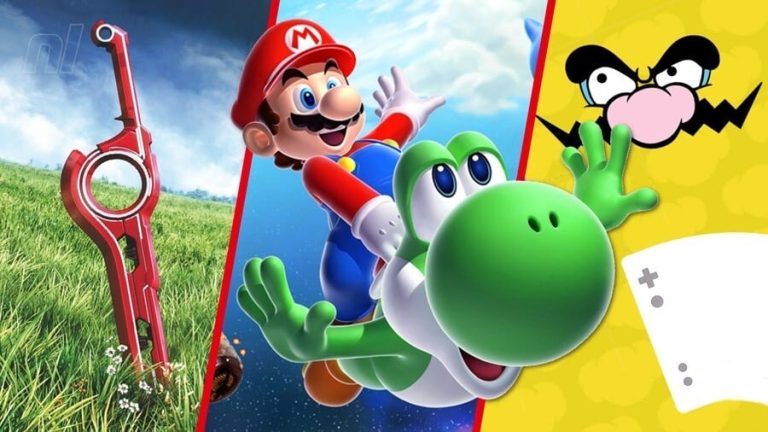
Retro gaming collectors now recognise Wii games as valuable pieces of gaming history. Rare titles, limited editions, and under-the-radar releases often fetch high prices on the resale market. Popular franchises such as Mario, Zelda, and Pokémon remain highly sought after, while niche titles like Xenoblade Chronicles or Metroid Prime Trilogy are considered gems among collectors.

The appeal of physical discs, unique accessories, and nostalgic packaging fuels demand. Wii game collections represent more than just entertainment—they showcase a pivotal chapter in gaming evolution.

Why Nintendo Wii Games Remain Relevant

Nintendo Wii games remain relevant because they prioritise fun, accessibility, and community. In a gaming industry that often focuses on complex graphics or competitive online play, Wii titles remind players of the joy of gathering in the same room for laughter and lighthearted competition.

The motion control design continues to feel fresh because it breaks away from traditional button inputs. Even modern players accustomed to high-definition visuals find enjoyment in the charm of Wii Sports or the thrill of Mario Kart Wii. The blend of casual appeal and classic Nintendo magic ensures these games maintain relevance for generations.

Future of Nintendo Wii Games in Modern Gaming

As technology advances, many wonder about the future of Nintendo Wii games. The Nintendo Switch has already inherited some of the Wii’s spirit with motion controls and versatile gameplay styles. Remasters and re-releases could introduce new audiences to iconic Wii titles, ensuring their preservation. Virtual reality technology may also owe some of its accessibility principles to the Wii’s pioneering design.

In addition, the continued popularity of party and fitness games shows the Wii’s influence. Developers learned that games could engage people beyond the core gaming community, leading to more inclusive design in modern systems.

Read More: Bratz Games: Explore Fashion, Fun, and Nostalgia in Gaming

Conclusion

Nintendo Wii games redefined gaming by making it more interactive, inclusive, and enjoyable for everyone. From the groundbreaking success of Wii Sports to the depth of Zelda adventures and the energetic fun of Just Dance, the Wii offered something for every type of player. Its games created timeless memories, influenced modern technology, and continue to inspire new generations.

Whether revisited for nostalgic fun or collected as pieces of gaming history, Nintendo Wii games remain cultural treasures that highlight the power of creativity and innovation in the gaming industry.

FAQs

What made Nintendo Wii games so popular?

Nintendo Wii games became popular for motion controls, accessibility, and family-friendly fun.

Which Nintendo Wii game sold the most?

Wii Sports is the best-selling Wii game, bundled with the console and enjoyed worldwide.

Can you still play Nintendo Wii games today?

Yes, Wii games can be played on original consoles, and many are supported on the Wii U.

What are the rarest Nintendo Wii games?

Titles like Xenoblade Chronicles and Metroid Prime Trilogy are considered rare collector’s items.

Are Nintendo Wii games still worth buying?

Yes, they remain affordable, nostalgic, and fun, making them a great addition for collectors and families.

Unblocked Games Hub: Play Free Online Games Anytime

0

The internet has transformed how people play games. While consoles and high-end PCs dominate the spotlight, browser-based gaming has quietly built its own dedicated audience. Among the most popular ways to enjoy quick entertainment is through platforms like Unblocked Games Hub. For many players, especially students or office workers, this hub represents freedom, accessibility, and variety. Understanding what makes Unblocked Games Hub so popular requires exploring its features, benefits, and the growing community built around it.


What Is Unblocked Games Hub?

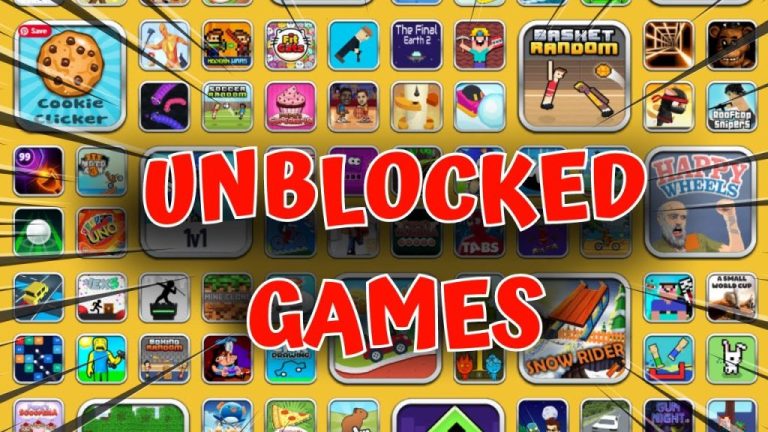
Unblocked Games Hub is an online platform offering a collection of browser-based games accessible without restrictions. Traditional gaming websites often face blocks in schools, libraries, or workplaces due to internet filters. However, platforms like Unblocked Games Hub bypass those limitations, allowing users to play games without downloads or complicated setups.

This accessibility makes it a go-to destination for anyone wanting quick fun during short breaks. The games are lightweight, easy to load, and cover countless genres, ensuring players of all ages can find something enjoyable.

Why Unblocked Games Hub Stands Out

The appeal of Unblocked Games Hub lies in its simplicity. Unlike mainstream gaming platforms requiring installations, updates, or subscriptions, this hub thrives on instant access. Anyone with a browser and an internet connection can dive straight into gameplay.

The platform also emphasises variety. From action-packed adventures and strategy challenges to puzzle-solving and sports simulations, the collection caters to different moods and preferences. This variety ensures repeat visits, as players know they will always find something new to explore.

Accessibility and Convenience

One of the strongest reasons behind the success of Unblocked Games Hub is accessibility. In environments where traditional gaming sites are restricted, having a hub that works without issues feels liberating. Students, for instance, often use it during breaks, while professionals sneak in a quick session to relax during work hours.

Since no downloads or installations are required, the games are quick to start and safe to play. This convenience ensures players can enjoy entertainment without worrying about storage space, system requirements, or hidden costs.

Popular Game Categories

Unblocked Games Hub thrives on offering variety, and its categories reflect the diverse tastes of its audience. Action and adventure titles appeal to those craving excitement. Puzzle games attract players who prefer problem-solving and critical thinking. Sports simulations, racing challenges, and multiplayer arenas bring competitive energy.

Educational games also have a presence, helping students sharpen skills while enjoying gameplay. This blend of fun and learning highlights the hub’s versatility and its appeal across age groups.

The Social Aspect of Gaming Hubs

Beyond individual entertainment, Unblocked Games Hub plays a role in community building. Many players discuss strategies, recommend titles, and share experiences with friends. Multiplayer games, in particular, create opportunities for collaboration and competition.

This social aspect enhances the overall experience. Instead of simply passing time, players form connections, strengthening the hub’s position as more than just a gaming website. It becomes a digital gathering place where fun and friendship intersect.

Safe Entertainment for All Ages

Parents and educators often express concern about online gaming, especially regarding inappropriate content or hidden risks. Unblocked Games Hub addresses these concerns by curating safe, browser-based titles. While not every game may be educational, the majority are lighthearted and suitable for younger players.

Because the games run directly in browsers, they also minimise risks of harmful downloads or malware. This balance of fun and safety makes the hub appealing to both players and guardians.

Why Unblocked Games Hub Works for Students

Students form a large portion of the audience for unblocked games. For them, the hub represents a way to relax between classes or during study breaks. The short, simple design of most games ensures they do not require hours of commitment. Players can enjoy a quick round and then return to their tasks refreshed.

In some cases, teachers even integrate unblocked games into classrooms for educational purposes. Puzzle-solving or strategy-based games can stimulate critical thinking, teamwork, and problem-solving skills in a way that feels engaging rather than forced.

Unblocked Games Hub vs Traditional Gaming

While platforms like PlayStation, Xbox, and PC dominate conversations, Unblocked Games Hub serves a completely different niche. It focuses on accessibility and instant fun rather than cutting-edge graphics or immersive storytelling.

For players short on time or without access to expensive systems, the hub provides an alternative that feels inclusive. It demonstrates that gaming is not about expensive hardware but about creativity, interaction, and enjoyment.

The Evolution of Browser Gaming

Unblocked Games Hub reflects a larger trend in the evolution of browser gaming. What began as simple flash-based titles has now expanded into HTML5 games with smoother performance and better graphics. This progression ensures browser gaming remains relevant in a world where technology advances rapidly.

The hub’s ability to adapt to these changes shows its resilience. By offering titles compatible with modern browsers and devices, it continues to attract new players while retaining longtime fans.

The Role of Nostalgia

For many players, platforms like Unblocked Games Hub evoke nostalgia. Classic titles reminiscent of school days bring back memories of simpler times. Games once played during study hall or computer lab now return in updated forms, connecting generations of gamers.

This nostalgia factor is a powerful driver. It ensures older players revisit the hub while younger audiences discover timeless titles for the first time. Together, they create a unique community bound by shared experiences.

Balancing Fun and Responsibility

While Unblocked Games Hub offers endless entertainment, balance is key. Spending too much time gaming during school or work hours can lead to challenges. However, when used responsibly, the hub provides an excellent way to relieve stress, recharge, and engage in friendly competition.

Parents, teachers, and players themselves play a role in maintaining that balance. By treating the hub as a tool for relaxation rather than distraction, it becomes a positive part of daily routines.

The Future of Unblocked Games Hub

As technology advances, the future of Unblocked Games Hub looks promising. With the rise of mobile browsing and cross-platform compatibility, access will only become easier. Developers continue to create engaging browser-based titles, ensuring the library remains fresh and exciting.

In addition, the growing demand for safe, accessible, and free entertainment guarantees the hub’s continued relevance. As long as people seek quick, enjoyable experiences online, platforms like Unblocked Games Hub will thrive.

Read More: Best Cosy Games Switch 2025

Conclusion

Unblocked Games Hub proves that gaming does not always require expensive systems, complex setups, or long commitments. By offering safe, accessible, and entertaining experiences, it has become a favourite for students, office workers, and casual players alike. Its variety, convenience, and community spirit ensure its lasting popularity.

For anyone searching for a place where fun meets simplicity, Unblocked Games Hub remains a top destination. Whether playing during a short break, revisiting childhood favourites, or discovering new titles, the hub delivers entertainment that feels timeless, accessible, and endlessly enjoyable.

FAQs

What is Unblocked Games Hub?

It’s a platform offering free browser-based games accessible anywhere without restrictions.

Why is Unblocked Games Hub popular?

It provides instant access, variety, and safe gameplay without downloads or installations.

Can students use Unblocked Games Hub at school?

Yes, it works in schools where many gaming sites are restricted, making it a student favourite.

Are the games on Unblocked Games Hub safe?

Yes, most are browser-based, lightweight, and free from harmful downloads or malware.

What types of games are available on Unblocked Games Hub?

The hub features action, puzzles, sports, racing, educational games, and more.

Games People Play Cast: Meet the Stars Behind the Drama

0

Television dramas often leave a lasting impression not only because of their stories but also because of the actors who bring those stories to life. One standout show that drew attention for its mix of suspense, ambition, and scandal was Games People Play. Fans connected with its high-stakes world, and much of that connection came through the performances of its cast. Understanding the cast of Games People Play means appreciating the talent, backgrounds, and journeys of the actors who shaped this unforgettable drama.

The Show That Captivated Audiences

Games People Play is a drama series centred around the glamorous yet cutthroat world of professional basketball, where ambition, betrayal, and secrets drive the story forward. From the outset, the series promised more than just sports; it delved into relationships, personal struggles, and the lengths people will go to maintain success.

What made the series truly resonate was not only its storylines but the way the cast embodied their characters. Every performance brought depth, authenticity, and drama that kept viewers engaged episode after episode.

Lauren London as Vanessa King

At the heart of the show stands Lauren London in the role of Vanessa King. She portrays the wife of a professional basketball player who navigates the trials of fame, loyalty, and the hidden costs of success. Lauren London’s performance shines because she captures both strength and vulnerability, creating a character that audiences root for.

London’s own career background added layers of credibility. Known for her roles in films and television over the years, she brought maturity and presence to Vanessa. Fans admired her ability to show both grace under pressure and raw emotional honesty, making Vanessa one of the most memorable characters in the series.

Karen Obilom as Nia Bullock

Karen Obilom plays Nia Bullock, a journalist striving to uncover truths in a world filled with secrets and manipulation. Nia represents determination and the pursuit of justice, offering a contrast to the glamour and chaos around her.

Obilom’s performance gave Nia authenticity. She balanced ambition with integrity, showing the challenges journalists face when ambition collides with morality. Her portrayal connected with viewers who appreciated a character driven by values and resilience.

Parker McKenna Posey as Laila James

Another standout member of the Games People Play cast is Parker McKenna Posey, who plays Laila James. Laila is an aspiring actress whose journey through the ruthless entertainment industry reveals the darker sides of ambition and desire.

Posey brought energy and passion to her role, embodying the struggles of someone chasing fame while battling temptation and manipulation. Her character highlighted the sacrifices and risks that come with seeking recognition, making her storylines compelling and relatable for audiences who understand ambition’s cost.

Sarunas J. Jackson as Marcus King

Sarunas J. Jackson portrays Marcus King, a professional basketball player balancing fame, family, and the constant scrutiny of life in the spotlight. His character is central to the show’s narrative, as his choices often ripple across the lives of those around him.

Jackson’s performance made Marcus complex. Rather than portraying him as simply heroic or flawed, he gave the character depth. Audiences saw the pressure of maintaining status, the challenges of personal relationships, and the temptations that come with fame. His presence grounded the show in the reality of what athletes face off the court.

Jackie Long as Kareem Johnson

Jackie Long plays Kareem Johnson, a former basketball star trying to navigate life after fame. Kareem’s story explores themes of reinvention, loyalty, and the struggle to stay relevant in a world that quickly forgets its heroes.

Long’s portrayal brought heart and humour to the series, providing moments of relatability amidst the drama. His character offered a perspective on how fleeting success can be, giving the audience a window into the emotional cost of life in the public eye.

Guest Stars and Supporting Roles

Beyond the main cast, Games People Play featured a range of supporting roles and guest stars who enriched the narrative. These characters added layers to the story, creating conflicts, alliances, and surprising twists. The chemistry between the main cast and guest performers ensured every episode felt dynamic and engaging.

Guest stars also helped expand the world of the series, bringing in new perspectives and storylines. Their performances reminded viewers that no story unfolds in isolation, and every character’s actions had consequences.

The Chemistry That Made It Work

One reason the Games People Play cast stood out was the undeniable chemistry among its members. The relationships felt authentic because the actors brought genuine connection and intensity to their scenes. Whether portraying love, betrayal, or rivalry, the cast made every interaction believable.

This chemistry carried over off-screen as well. Interviews, behind-the-scenes footage, and social media interactions showed a group of professionals who respected their craft and enjoyed collaborating. That camaraderie translated directly to the screen, enhancing the overall impact of the series.

Representation and Impact

The cast of Games People Play also contributed to broader conversations about representation in television. The show provided diverse voices and perspectives, showcasing characters with depth, ambition, and complexity. This representation mattered to audiences who wanted to see stories that reflected their own lives and struggles.

By delivering nuanced portrayals, the cast helped redefine what mainstream television could offer. They challenged stereotypes and provided role models in both subtle and bold ways, leaving an impact beyond the episodes themselves.

Critical Reception and Audience Response

Critics and audiences alike praised the cast of The Games People Play for their performances. Many highlighted how the actors elevated the material, turning what could have been a simple sports drama into a layered exploration of ambition, relationships, and identity.

Social media played a role in amplifying this response. Fans often shared favourite scenes, quotes, and character arcs, creating conversations that kept the show relevant. The cast became not only actors on screen but also figures audiences admired and followed beyond the series.

The Legacy of the Cast

Although Games People Play may have had a limited run, the cast’s work ensured its place in conversations about modern television dramas. Each actor brought their own career experiences, talent, and energy to the series, leaving an impression that extended far beyond its finale.

For fans, the cast remains the heart of the show. Their portrayals continue to resonate, and their careers continue to thrive in new projects. The legacy of Games People Play lives on largely because of the dedication and authenticity of its cast.

Read More: Best Cosy Games Switch 2025

Conclusion

The Games People Play proved that great storytelling requires great performances. Lauren London, Karen Obilom, Parker McKenna Posey, Sarunas J. Jackson, Jackie Long, and the supporting ensemble created a world that felt real, intense, and unforgettable. They gave audiences characters to root for, question, and remember long after the credits rolled.

For fans revisiting the series or discovering it for the first time, the cast remains the reason the show resonates. Their performances remind us that behind every gripping drama is a team of talented actors who bring the script to life, making television an experience worth watching.


FAQs

Who plays Vanessa King in Games People Play?

Vanessa King is played by Lauren London, who brings depth and emotion to the character.

Who is Nia Bullock in Games People Play?

Nia Bullock is portrayed by Karen Obilom, a journalist chasing the truth in a world full of secrets.

Which actor plays Marcus King?

Sarunas J. Jackson plays Marcus King, a professional basketball player facing fame and personal struggles.

Who portrays Laila James in the series?

Laila James is played by Parker McKenna Posey, an aspiring actress chasing fame in a tough industry.

What makes the cast of Games People Play stand out?

The cast stands out for their chemistry, authentic performances, and diverse representation.

Movies Like The Hunger Games: Best Dystopian Thrillers

0

When The Hunger Games first appeared on the big screen, it redefined modern dystopian cinema. With its mix of survival, rebellion, and social commentary, it captured the imagination of millions worldwide. Fans connected not only with Katniss Everdeen’s struggle but also with the larger themes of control, sacrifice, and resistance. For those who fell in love with this saga, many other films deliver similar intensity. Movies like The Hunger Games give audiences more dystopian landscapes, strong characters, and thought-provoking plots.

Why The Hunger Games Resonates

Before diving into alternatives, it is worth exploring why The Hunger Games became so iconic. The franchise combined personal storytelling with grand political narratives. The games themselves offered tension and action, while the backdrop of Panem highlighted inequality, authoritarian rule, and the fight for freedom.

The emotional pull came from characters who felt real. Katniss was not a superhero but a survivor, forced into extraordinary circumstances. Her vulnerability made her strength relatable. Audiences loved seeing her growth across each film, from reluctant tribute to revolutionary leader.

Movies like The Hunger Games aim to capture this same mix of character-driven drama and sweeping world-building. They invite viewers to imagine futures shaped by control, rebellion, and resilience.

Dystopian Worlds on Screen

One of the strongest appeals of The Hunger Games lies in its dystopian setting. Panem felt like a possible future, with its divided districts and powerful Capitol. Movies that share this spirit create their own societies where inequality, authoritarianism, or catastrophic events define daily life.

These dystopian landscapes often feel uncomfortably close to reality. They reflect fears of government control, technological overreach, or environmental collapse. Watching these films, audiences see not only thrilling stories but also warnings about the paths society might take.

Movies like The Hunger Games thrive in this space, combining action with commentary. They challenge viewers to think while keeping them entertained with suspense and spectacle.

Survival as a Central Theme

The Hunger Games, at its core, is about survival. Tributes fight for their lives, navigating danger while trying to hold onto humanity. This theme echoes through many other films. Survival stories resonate because they reveal raw human instincts under pressure.

Movies similar to The Hunger Games place characters in hostile environments where they must fight for life. These battles may unfold in arenas, ruined cities, or hostile wastelands. The setting changes, but the tension remains the same. The question always lingers: who will endure, and at what cost?

Rebellion and Resistance

Beyond survival, The Hunger Games thrives on rebellion. Katniss becomes a symbol of resistance, sparking a movement against oppressive power. This theme is central to many dystopian films. They show ordinary people rising against injustice, using courage and sacrifice to fight overwhelming systems.

The struggle for freedom adds emotional weight. These stories inspire because they remind us of the power of unity and resistance. They ask audiences to imagine what they would do when faced with oppression. In this sense, movies like The Hunger Games feel both thrilling and empowering.

Strong Female Protagonists

Another reason fans love The Hunger Games is Katniss herself. She is brave, resourceful, and flawed in ways that make her human. Her journey inspired a new wave of films featuring strong female leads.

Movies like The Hunger Games often centre on women who face extraordinary odds. These characters do not rely on others to define them. They make choices, lead rebellions, and inspire those around them. Representation matters, and audiences embraced this new era of female-driven action in dystopian cinema.

The Role of Young Adult Adaptations

The Hunger Games is part of a wave of young adult book adaptations that dominated the 2010s. Studios quickly realised the success of bringing dystopian novels to life, especially those with relatable young heroes. Movies like The Hunger Games often share this origin, adapted from bestselling books with devoted fanbases.

These adaptations bring communities of readers together, eager to see favourite characters on screen. They also spark discussions about loyalty, leadership, and morality. The success of these films proves that young adult stories can tackle mature themes while appealing to wide audiences.

Emotional Depth and Human Connection

What makes The Hunger Games stand out is not just action but emotional depth. Relationships between characters give weight to the story. Katniss’s love for her sister, her evolving connection with Peeta, and the friendships formed in hardship make the stakes personal.

Movies like The Hunger Games succeed when they balance spectacle with heart. They remind audiences that rebellion is not only about systems but also about protecting those we love. The emotional threads keep viewers invested, ensuring the story lingers long after the credits roll.

Spectacle and Cinematic Style

Of course, action plays a huge role in The Hunger Games. From arena battles to full-scale revolutions, the franchise delivers spectacle. Movies like it embrace similar visual intensity. Explosions, chases, and breathtaking set designs transport audiences into extraordinary worlds.

Modern technology allows filmmakers to create immersive dystopias with incredible detail. Whether depicting futuristic cities or ruined wastelands, these movies rely on cinematic style to make their worlds believable. For fans of The Hunger Games, this visual storytelling enhances the experience of rebellion and survival.

Morality and Tough Choices

One of the lasting impacts of The Hunger Games is its focus on morality. Characters often face impossible choices: survival versus compassion, loyalty versus betrayal, rebellion versus safety. These dilemmas make the story powerful.

Movies like The Hunger Games continue this tradition. They challenge audiences to reflect on values and ethics under pressure. By presenting characters with moral conflicts, these films create stories that feel both thrilling and thought-provoking.

Why Fans Seek Movies Like The Hunger Games

After finishing the Hunger Games series, many fans crave more. The blend of action, emotion, and political commentary is rare, so movies with similar energy hold strong appeal. They provide opportunities to explore new worlds while holding onto familiar themes of survival, rebellion, and resilience.

Audiences also enjoy discovering new characters who inspire, challenge, and lead. Just as Katniss became a cultural icon, other protagonists stepped into the spotlight in different films. These journeys expand the universe of dystopian cinema, offering variety while echoing familiar strengths.

Looking at the Future of Dystopian Cinema

The popularity of The Hunger Games proved that audiences want more than escapism. They crave stories with meaning, stories that reflect fears and hopes. Dystopian cinema continues to evolve, with filmmakers exploring fresh angles and deeper themes.

Future movies may tackle climate change, technology, or global conflict through dystopian lenses. They will continue blending spectacle with emotional depth, reminding us why stories like The Hunger Games resonate so strongly.

Read More: Best Cosy Games Switch 2025

Conclusion

Movies like The Hunger Games remind us that cinema is not only about entertainment but also about reflection. They challenge us to consider freedom, survival, and resilience while delivering thrilling adventures. With dystopian landscapes, strong characters, and powerful themes, these films capture the same energy that made The Hunger Games unforgettable.

For fans seeking more, exploring these stories ensures the excitement continues. Whether it is survival in dangerous worlds, rebellion against unjust power, or journeys of self-discovery, the legacy of The Hunger Games lives on in countless films inspired by its success.


FAQs

What movies are similar to The Hunger Games?

Popular choices include Divergent, The Maze Runner, Battle Royale, and The Giver.

Why do people like movies like The Hunger Games?

They mix survival, rebellion, strong characters, and dystopian worlds that feel thrilling and meaningful.

Are movies like The Hunger Games based on books?
 

Yes, many such films, including Divergent and The Maze Runner, come from bestselling young adult novels.

Do these movies always feature dystopian settings?

Most do, focusing on societies with control, inequality, or rebellion at the heart of the story.

Who are the main audiences for movies like The Hunger Games?

They appeal to teens, young adults, and anyone who enjoys action-packed dystopian stories with strong leads.

Real Valladolid Games: History, Matches, and Football Legacy

0

Football in Spain thrives on passion, tradition, and unforgettable matches. While giants like Real Madrid and Barcelona dominate headlines, clubs such as Real Valladolid have built their own legacy. Real Valladolid games capture the heart of their fans with dedication, resilience, and the joy of competition. Every matchday carries a sense of pride for the city and its people, showcasing football as more than just a sport.

The Spirit of Real Valladolid

Founded in 1928, Real Valladolid has grown into a respected club within Spanish football. Nicknamed “Pucela,” the team represents the Castile and León region, and its games reflect both identity and culture. Whether competing in La Liga or battling in the Segunda División, Real Valladolid games always highlight determination and community spirit.

The club may not always fight for titles, yet its role within Spanish football remains significant. Supporters gather in José Zorrilla Stadium with passion, creating an atmosphere that brings together generations. Every match becomes a celebration of the city’s football tradition.

Real Valladolid in La Liga

Real Valladolid has experienced seasons in Spain’s top division, facing some of the world’s strongest clubs. These games provide fans with opportunities to watch their team challenge global stars while defending the pride of their region. Matches against giants like Atlético Madrid or Sevilla show how even underdogs can rise to the occasion.

Games in La Liga often demand consistency, discipline, and tactical strength. Valladolid managers throughout history have emphasised defensive organisation while building counter-attacks to surprise stronger rivals. This identity has shaped many memorable performances, ensuring the club remains competitive regardless of circumstances.

The Challenge of the Segunda División

While promotion to La Liga always excites fans, Real Valladolid has also spent seasons in the Segunda División. These games carry their own importance, filled with pressure and intensity. Every fixture becomes crucial, as small mistakes can mean missing out on promotion opportunities.

In many ways, Segunda División games test character. For Valladolid, they show resilience, determination, and the ability to rebuild. Fans remain loyal during these periods, filling the stadium with chants of encouragement. The drive to return to La Liga makes these matches some of the most emotionally charged in the club’s calendar.

The Home of Real Valladolid: Estadio José Zorrilla

Every Real Valladolid game at home carries special weight. Estadio José Zorrilla, with its passionate supporters and iconic purple colours, transforms into a fortress. Built in 1982, the stadium has hosted unforgettable victories and tense draws that live long in memory.

The atmosphere during home games reflects community pride. Families, young fans, and long-time supporters gather to celebrate their team. The chants, drums, and cheers inspire players, often lifting performances beyond expectations. For visiting teams, playing in Valladolid means facing not just eleven players but the energy of thousands of voices united.

Rivalries and Memorable Encounters

Spanish football thrives on rivalries, and Real Valladolid games carry their share of competitive tension. While not as famous as El Clásico, regional rivalries against clubs like Sporting Gijón or Real Oviedo fuel excitement. These games symbolise regional pride, where victory means more than three points.

Memorable encounters across history have defined Valladolid’s reputation. Narrow wins against top clubs, survival battles on the last day of the season, and emotional promotion games all stand out. Each generation of fans remembers different highlights, sharing stories that keep the club’s history alive.

Style of Play in Real Valladolid Games

Valladolid’s tactical approach often reflects pragmatism. Coaches focus on defensive solidity while creating chances through counterattacks or set pieces. In recent years, there has also been a push to blend tradition with modern football styles, introducing possession-based strategies.

Players who wear the purple and white stripes know they carry responsibility beyond football. Commitment, teamwork, and adaptability define their performances. For fans, victories achieved through hard work feel just as satisfying as glamorous wins by larger clubs.

Key Players Who Shaped Games

Over the decades, Real Valladolid has been home to talented players who have left a lasting impact. Strikers who delivered goals in critical moments, defenders who led with strength, and midfielders who dictated tempo all contributed to the story of Valladolid games.

Even when these players moved on to bigger clubs or international careers, their contributions at Valladolid remained part of the club’s identity. Current players carry this legacy, knowing their performances add to the ongoing history of Real Valladolid games.

Modern Era and International Recognition

The arrival of international investors, including former Brazilian legend Ronaldo Nazário as majority shareholder, gave Real Valladolid new visibility. This ownership brought fresh ambition and global attention. Games under this new era carry heightened expectations, with fans dreaming of stability in La Liga and growth on the European stage.

With modern training facilities, scouting networks, and youth development, Valladolid aims to strengthen its place in Spanish football. International recognition ensures that games are followed not just in Spain but also abroad, where new fans discover the club’s charm and history.

The Emotional Connection of Fans

For many supporters, Real Valladolid games are not only about football but also about belonging. Matchdays bring families together, creating traditions passed down through generations. Parents take children to the stadium, sharing stories of famous goals and unforgettable victories.

This emotional connection gives games deeper meaning. Win or lose, fans support their club with loyalty. The pride of wearing purple extends beyond ninety minutes, shaping identity across the city of Valladolid and beyond.

Real Valladolid and Spanish Football Culture

Spanish football thrives on diversity, with clubs representing distinct regions and identities. Real Valladolid contributes to this rich culture by highlighting the values of Castile and León. Games showcase not just sport but also cultural heritage.

By competing in national competitions and occasionally in Copa del Rey runs, Valladolid reminds the world that Spanish football is not only about superclubs. Each match adds to the colourful tapestry of stories that make La Liga and Spanish football so captivating.

Looking Toward the Future

As football evolves, Real Valladolid continues to adapt. Future games may bring new challenges, but the foundation of resilience, community, and pride remains unshaken. Investments in youth academies and modern facilities ensure that the club builds for long-term success.

Fans look forward to every season with hope. Whether fighting for promotion, securing safety, or aiming for higher finishes in La Liga, Real Valladolid games will always matter. They represent passion, tradition, and the undying love of football in a city where the sport means everything.

Read More: Best Cosy Games Switch 2025

Conclusion

Real Valladolid games go beyond results on a scoreboard. They capture the heart of a city, honour tradition, and celebrate football as a unifying force. From the historic Estadio José Zorrilla to away battles against Spanish powerhouses, each match tells a story of perseverance.

For supporters, these games are more than entertainment — they are part of life, culture, and identity. As the club moves forward, one thing remains clear: Real Valladolid games will always carry the pride of their people and the passion that defines Spanish football.


FAQs

What league does Real Valladolid play in?

Real Valladolid competes in either La Liga or Segunda División, depending on promotion or relegation.

Where does Real Valladolid play home games?

Real Valladolid plays at Estadio José Zorrilla, a historic stadium located in Valladolid, Spain.

Who owns Real Valladolid?

The majority owner is Brazilian legend Ronaldo Nazário, who took control of the club in 2018.

What are the biggest Real Valladolid rivalries?

Regional rivalries include games against Sporting Gijón and Real Oviedo, which carry strong local pride.

Why are Real Valladolid games important to fans?

They represent the city’s culture, tradition, and passion for football, uniting generations of supporters.

Best Games Like The Sims: Top Life Simulation Alternatives

0

Life simulation games hold a unique place in gaming culture. They allow players to step into virtual lives, make choices, and shape entire worlds with creativity and imagination. The Sims is the most iconic example, setting the standard for the genre for decades. Yet many players seek experiences that capture the same spirit while offering fresh perspectives. Games like The Sims provide new settings, mechanics, and styles of play, appealing to fans who crave variety without losing the freedom to control virtual lives.

Why Players Love Games Like The Sims

The appeal of The Sims comes from control, creativity, and storytelling. Players design homes, build families, and guide characters through careers, relationships, and personal growth. This freedom makes the game endlessly replayable. Games like The Sims carry forward the same foundation but add twists that keep the genre evolving. Some focus on social aspects, others on survival, while a few lean into narrative-driven life choices. Each variation offers players a chance to live different fantasies in interactive worlds.

Building Worlds And Lives

At the core of games like The Sims is the ability to construct and customise. These games give players tools to design living spaces, neighbourhoods, or entire communities. They emphasise detail, allowing imagination to flourish. From interior decoration to city planning, the act of shaping virtual environments creates satisfaction and immersion.

While The Sims emphasises individual households, many similar titles expand to broader levels of control. City builders and community management games combine the creativity of design with the responsibility of keeping entire systems running. This variety ensures that fans can explore world-building in different ways.

Storytelling Through Gameplay

What sets The Sims apart is how players become storytellers. Every relationship, every career path, and every choice adds to a narrative shaped by the player. Games like The Sims embrace this philosophy, giving players room to craft their own stories.

Some games lean toward guided stories with set characters and branching choices, while others keep the sandbox approach where freedom is absolute. The beauty of this design lies in replayability. No two sessions feel identical, and the choices you make influence outcomes in meaningful ways.

Social Simulation Experiences

The Sims often reflects society, humour, and the complexities of daily life. Games like it frequently mirror this approach by focusing on social simulation. Whether through interactions with neighbours, developing communities, or forming friendships, these games encourage players to explore the dynamics of human connection.

Some titles take this further by creating online spaces where real players interact in shared environments. These digital societies blur the line between simulation and social networking, giving fans of The Sims a new way to connect and collaborate.

Expanding Into Different Themes

Not every game like The Sims revolves around suburban life and homebuilding. Many explore themes that stretch the imagination. Some focus on farming and rural living, where building communities goes hand in hand with cultivating crops and animals. Others lean into fantasy, allowing players to design magical towns or manage unusual societies.

This variety highlights the strength of the life simulation genre. By branching into different themes, games like The Sims reach wider audiences and let players indulge in specific lifestyles or settings they find most appealing.

Freedom And Customisation

Freedom has always been the cornerstone of The Sims, and games like it honour that tradition. Customisation ranges from clothing and home décor to careers, relationships, and even entire communities. This control creates a personal connection between players and their virtual creations.

Advancements in modern gaming have taken customisation even further. Many newer titles offer deeper tools, more realistic visuals, and greater flexibility in design. This ensures that players feel their creativity truly shapes the virtual world, providing a sense of ownership over every detail.

Balancing Strategy And Relaxation

While The Sims offers a balance between storytelling and management, other simulation games adjust the formula. Some lean heavily toward strategy, requiring players to manage resources, balance budgets, and keep systems running smoothly. Others emphasize relaxation, creating calm spaces where players can escape real-world stress.

This balance is what makes the genre so appealing. Games like The Sims can be both challenging and soothing, depending on player preference. The diversity of available titles ensures that players can choose the experience that matches their mood and playstyle.

How Games Like The Sims Differ

Though they share similarities, games like The Sims distinguish themselves with unique features. Some emphasise open-world exploration, letting players roam beyond home lots into bustling communities. Others highlight progression systems, where long-term goals create direction and motivation.

Multiplayer is another key difference. While The Sims traditionally focuses on single-player storytelling, several alternative titles incorporate cooperative or competitive play. This adds another layer of engagement, as players can share experiences with friends or compete to build the most successful communities.

The Role Of Technology In Life Simulation

Modern hardware and software have pushed the boundaries of life simulation games. Games like The Sims now benefit from improved graphics, AI behaviour, and seamless online connectivity. These advances make virtual worlds more dynamic and realistic, while also enhancing customisation tools.

Artificial intelligence plays a significant role in shaping experiences. Characters in simulation games now display greater autonomy, responding to player actions in complex ways. This evolution makes storytelling feel natural and emergent, creating surprises even for seasoned players.

Why The Genre Continues To Thrive

The enduring popularity of The Sims and similar games comes from the universal appeal of control, creativity, and connection. People enjoy experimenting with lifestyles, testing choices, and imagining new possibilities. Games like The Sims provide a safe space to live out these fantasies while also sparking creativity and storytelling.

As gaming communities grow, life simulation titles continue to attract both casual and dedicated players. Their accessibility ensures newcomers can enjoy them, while depth and customisation keep veterans engaged. This balance guarantees that the genre will remain a staple of the gaming world for years to come.

Looking Ahead To The Future

The future of games like The Sims is promising. Developers are experimenting with new technologies, broader worlds, and deeper social systems. Virtual reality, cloud gaming, and enhanced AI will likely expand how players experience life simulation.

Fans can expect even more customisation, realism, and freedom as the genre evolves. Whether through single-player stories, multiplayer societies, or innovative hybrids, games like The Sims will continue to push boundaries. They will remain a space for creativity, imagination, and storytelling that feels both personal and universal.

Read More: Best Cosy Games Switch 2025

Conclusion

Games like The Sims prove that life simulation is more than just a genre — it is a canvas for creativity and exploration. By offering freedom, variety, and emotional depth, these games connect players to virtual worlds in ways few other genres achieve. They celebrate imagination while allowing players to step into lives beyond their own.

For anyone who loves shaping stories, designing worlds, or experimenting with human connection, exploring games like The Sims opens endless possibilities. The genre continues to grow, and each new title brings a chance to experience life from a different angle. That is the magic of life simulation — a mix of storytelling, creativity, and choice that never loses its charm.

FAQs

What games are similar to The Sims?

Popular alternatives include Animal Crossing, Stardew Valley, Two Point Hospital, and Second Life.

Do games like The Sims allow building houses?

Yes, many life simulation games let you design and customise homes, towns, or entire communities.

Are there multiplayer games like The Sims?

Yes, titles like Second Life and online communities offer multiplayer life simulation experiences.

Can I play Sims alternatives on consoles?

Many games like The Sims, such as Stardew Valley and Animal Crossing, are available on consoles.

Why do players enjoy games like The Sims?

They offer freedom, creativity, and storytelling, allowing players to shape virtual lives and worlds.