Home Blog Page 10

Atlético Mineiro Games History and Highlights 2025

0

Atlético Mineiro games have long shaped the passion, identity, and prestige of one of Brazil’s most storied football clubs. Fans call them “Galo games,” and those matches deliver grit, drama, and unforgettable moments. From state leagues to continental tournaments, Atlético Mineiro has played countless games that define not just football in Minas Gerais but Brazilian and South American competition.

Foundation, Identity, and Early Matches

Founded in 1908 in Belo Horizonte, Atlético Mineiro gained identity quickly. Early matches in the Campeonato Mineiro state championships set the tone. Regional dominance crafted early rivalries, especially with Cruzeiro. One early landmark game remains Atlético’s 9-2 demolition of Cruzeiro in 1927. That one lingers in fan memory, proof that Atlético Mineiro could assert overwhelming superiority in derby matches. That result remains the largest win in Clássico Mineiro tradition. 

Beyond one match, many early games shaped squad culture: desire to win state titles, to play with flair, to make the crowd roar. Players like Mário de Castro helped set a style combining potent attacking, creative midfield play, and tactical flexibility. Atlético’s identity grew match by match. 

National and International Glory: Key Matches

Over the decades, Atlético Mineiro ascended from state dominance into national and international stages. National league (Brasileirão Série A) games became more frequent, stakes higher. One game type stands out: finals or decisive matches in competitions where pressure compresses time and mistakes matter.

In 1971, Atlético won its first national championship. That campaign included games against Brazil’s best at the time. Those matches forged respect. In 2013, a milestone arrived: the Libertadores campaign. The final match in the Copa Libertadores, under Ronaldinho’s leadership, gave Atlético continental glory. That game remains among the most important in club history. 

Games in Copa do Brasil finals also feature heavily: in 2014 and later in 2021, Atlético played matches that showed mental strength. Overturning deficits, winning away matches, holding nerve in knockout rounds—all these games challenged belief. Those matches elevated the value of persistence that defines many Atlético Mineiro fans. 

Recent Era: Milestones, Records, Drama

Recent Atlético Mineiro games have delivered both glory and heartbreak in near equal measure. In the 2025 Campeonato Mineiro, Atlético claimed its 50th state title. That achievement came after a string of consecutive state titles (from 2020 onward), underlining consistency in regional competition. Few clubs in Brazil maintain such long runs of dominance at the state level. 

Another recent highlight came in 2021 when Atlético captured a long-awaited Brasileiro Série A title after decades of attempts. Games in that campaign carried emotion: comebacks, tight finishes, performances from leaders such as Hulk. Those matches brought Atlético back to national prominence. 

Despite success, some games ended in heartbreak. In the Copa Libertadores 2024 final, Atlético Mineiro lost to Botafogo. That match involved unusual context—Botafogo played most of the final with ten men after an early red card—and yet held Atlético at bay, clinching a 3-1 win. Such games reinforce the thin margin between triumph and loss in top-level matches. 

Rivalries That Fuel Atlético Mineiro Games

Matchups with rival teams heighten meaning. Every Clássico Mineiro game against Cruzeiro brings more than three points: history, pride, and bragging rights. Atlético’s games vs Cruzeiro often draw huge crowds, an intense atmosphere, and fierce challenges. In recent state finals, Atlético Mineiro has beaten Cruzeiro in decisive games, including final matches where goals are scored late, pressure is high, and the crowd is roaring. 

Other national rivals—teams like Flamengo, Palmeiras, São Paulo—appear in important Brasileiro and continental fixtures. Those matches test squad depth. They show whether Atlético Mineiro can compete not only in Minas Gerais but across Brazil and South America. Games versus those clubs often decide league tables, Copa Libertadores group stage progression, and qualification to later knockout rounds.

Players, Moments, Games that Define the Club

Certain games shine because of moments created by iconic players. Ronaldinho’s influence in Libertadores games added drama: free kicks, dribbles, and leadership. Hulk brought goals, physicality, and clutch performances. Reinaldo remains the club’s all-time top scorer; when he played, many games tilted on his finishing and bravery. Historic matches often revolve around such players.

Another defining match moment: the 1992 Copa CONMEBOL finals, where Atlético Mineiro beat Olimpia in two legs to win their first continental title in that competition. That game showed the club’s international potential before global football economics swelled. 

Games in Campeonato Mineiro finals often deliver iconic moments too—late goals, comeback wins, red cards, and last-minute free kicks. That state competition remains more than a regional lottery; for Atlético Mineiro, it secures emotional stability, fan support, and momentum into national and international games.

Stadiums, Support, Game Atmosphere

How Atlético Mineiro games feel in the stadium matters. Mineirão always feels like a cathedral for Galo fans. Home games against rivals or major international clubs regularly draw capacity crowds. Arena MRV, its newer home stadium, adds modern facilities while preserving atmosphere. Fans—often called Massa Atleticana—fill stands, dress in black and white, chant, light flares, and create pressure. Many players say home matches feel inspiring. That intensity often tips close games.

Away matches frequently test character. Some games in Libertadores or Brasileiro Série A require travel across Brazil, altitude, heat, and hostile crowds. Atlético Mineiro’s games on the road show whether the roster has mental strength. Wins away from home in finals or knockout rounds are often remembered longest.

Challenges, Lessons, and Game Trends

Atlético Mineiro games have also exposed flaws. Some games revealed defensive lapses, poor fitness, or an inability to close matches. When squad rotation fails or injuries pile up, quality dips. Games in which Atlético led but conceded late or collapsed under pressure underscore the need for mental focus and tactical flexibility.

Trends: In recent years, Atlético Mineiro has played more attacking, possession-based football. They invest in players who can press, dribble, and create. Games increasingly involve fast transitions, wing play, and set pieces. Opponents adapt; Atlético must respond. Game preparation, scouting, and fitness regimes have improved. Youth players see more minutes. Decisions in games, like substitutions and tactical tweaks, have a bigger impact in crucial matches.

What Fans Expect in Future Games

Fans expect Atlético Mineiro games to keep delivering. First, more national titles. Brasileiro Série A and Copa do Brasil remain goals. Games in those competitions will likely be intense, tactical, and emotionally high. Second, Consistent performance in Libertadores and other continental tournaments. Fans remember the 2013 cup win; they want more of those defining games. Third, maintaining regional dominance. State championships might not carry the same global prestige, but games there allow squad depth and test leadership. Fourth, squad building: expect talents who complement stars. Depth matters because many games pile up in the calendar.

Matches against rivals will remain crucial. Clássicos, derbies, knockout ties—they shape club legacy. Fans want heroic performances in those games: late goals, underdog wins, comebacks.

Read More: Grandfather Mountain Highland Games: Scottish Heritage

Final Reflections: Atlético Mineiro Games as Legacy

Atlético Mineiro games carry weight beyond the scoreboard. They carry the identity of “Galo,” of fighting spirit, of Minas Gerais pride. Matches won, lost, drawn—they all feed the story. Games against Cruzeiro, national contests, continental finals—each a thread in the tapestry of club history.

When recollecting Atlético Mineiro games, fans think not just of titles, but how those titles were won. Goals in final minutes, penalty shootouts, away wins, player passions—all matter. Games inform legacy, shape culture.

For anyone curious about Brazilian football culture, watching Atlético Mineiro games offers lessons: on resilience, on strategic football, on how passion electrifies sport. As seasons roll on, new games will add chapters; some will become classics. Atlético Mineiro stands poised to write many more.

FAQs

What are Atlético Mineiro’s most famous games?

The 2013 Copa Libertadores final and the 1971 Brasileirão title win stand out.

Who is Atlético Mineiro’s biggest rival?

Cruzeiro is Atlético Mineiro’s biggest rival in the Clássico Mineiro derby.

Where does Atlético Mineiro play home games?

Atlético plays at Arena MRV, with Mineirão also hosting historic matches.

Has Atlético Mineiro won international titles?

Yes, including the 2013 Copa Libertadores and the 1992 Copa CONMEBOL.

How many Campeonato Mineiro titles has Atlético won?

Atlético Mineiro has won over 50 Campeonato Mineiro state titles.
Best Switch Sports Games Guide for Fun in 2025

0

When someone says Switch sports games, they often think of experiences that blend physical motion, controller interaction, and multiplayer fun on Nintendo’s hybrid system. These titles let players swing, kick, throw, and jump into virtual competition that feels active, social, and immediate. They bridge casual party play and serious competition in a way few platforms manage well.

Switch sports games span a spectrum: from motion-driven party titles to deeper simulation sports games. Some titles lean heavily on the joy of movement, others aim for realism, and some mix genres by adding RPG or narrative elements. What matters is the feel — each game should deliver fun whether alone, with family, or in online rivalry.

In the sections below, I’ll explore flagship titles, hidden gems, design challenges, and tips to choose the Switch sports game that fits you best.

Flagship Experience: Nintendo Switch Sports

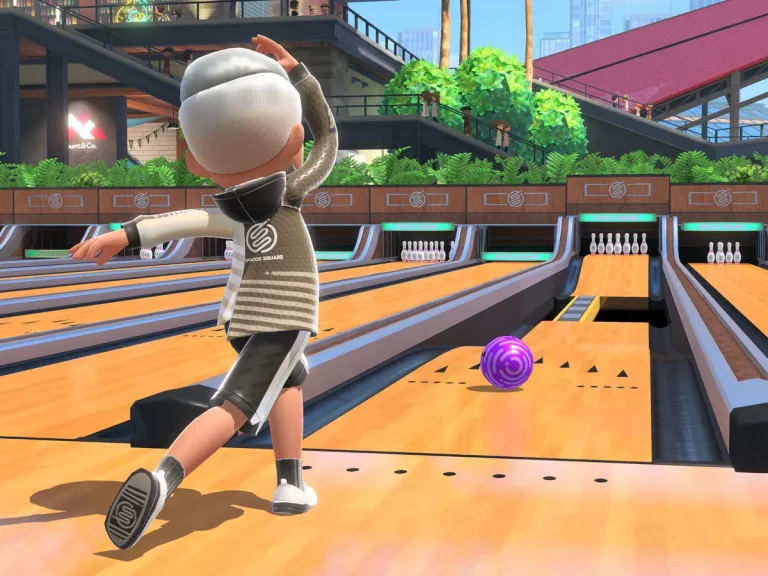
The most iconic sports title on Switch remains Nintendo Switch Sports, which builds on the legacy of Wii Sports while pushing forward in control, modes, and range. Developed by Nintendo EPD and released in 2022, it includes volleyball, badminton, bowling, soccer, chambara (sword play), tennis, plus golf and basketball later via updates. Its motion controls, leg strap accessory, and online play create a dynamic package.
 

Nintendo crafted this as a party hub. You create a Sportsmate avatar, compete in Spocco Square, climb Pro League ranks, and collect items to customise your look. Matches run locally or online, and new players can jump in easily.
 

That said, some critics mention performance dips or limited depth in solo modes. But for group play, Switch Sports often shines brightest.
 

Other Notable Switch Sports Games

While Nintendo Switch Sports stands front and centre, several other titles bring distinct flavours to the sports category.

Mario Golf: Super Rush offers fast golf rounds with a Mario twist. The game features speed golf challenges, team strokes, and familiar characters. It balances arcade fun with some strategy elements.
 

Golf Story uses the sport of golf as its core while embedding RPG and narrative mechanics. You navigate towns, meet quirky characters, take on side quests, and play golf holes as part of the story. It’s less about motion controls, more about journey and content.
 

Disc Jam blends sports and arcade action by merging air hockey with tennis mechanics. Swings, disc passes, deflections — it’s a fast sport-arcade hybrid that thrives in local or online matchups.
 

Xtreme Sports is a retro revival on Switch. It brings multiple extreme disciplines — skateboarding, surfing, skyboarding — remade or ported to Switch. If you’re craving a broad sports buffet, this one scratches that itch.

Each of these adds variety to your sports library: some emphasise motion, others depth or unique hybrids.

Strengths and Challenges of Switch Sports Games

Switch sports games carry distinct strengths. Portability allows you to bring matches to living rooms or on the go. Motion controllers and Joy-Cons create a tactile experience—when the control feels tight, it elevates immersion. Many titles offer local multiplayer, which is ideal for parties or casual gatherings. Also, because some developers see less pressure for AAA polish, they may experiment, resulting in creative mechanics and fresh takes.

However, challenges abound. Motion control precision can vary, and calibration or lag issues may degrade the experience. Some titles compromise graphics or frame rate to maintain responsiveness. Also, depth sometimes lacks — solo players seeking robust career or franchise systems might find content sparse. Finally, replay value often hinges on community or multiplayer; if online support wanes, games lose momentum.

How to Pick the Right Switch Sports Game

Choosing your ideal Switch sports game depends on your priorities. If you want motion fun with friends, Nintendo Switch Sports is a go-to. For a narrative with sports flavour, Golf Story fits. For fast arcade hybrids, Disc Jam or Mario Golf: Super Rush deliver punchy matches. If you want variety, Xtreme Sports gives you multiple disciplines under one umbrella.

Also consider modes. Does a game support local multiplayer, split Joy-Con play, or passing controllers? Does it offer online ranked modes or leaderboards? How rich is single-player content? What about replay incentives — unlocks, avatar customisation, challenges? These aspects often distinguish a game worth keeping from one you’ll play a few times then abandon.

Check how the game handles motion calibration, controller mapping, and performance. Some titles let you adjust sensitivity or use simplified controls, which helps if motion fatigue becomes a problem. Look for updates or patches — developers may fix control quirks or enhance features post-launch.

Tips for Better Play and Longevity

Always give your play area breathing space. Swinging controllers near walls, furniture, or fragile objects invites accidents. Use wrist straps. Regularly recalibrate motion controls to keep inputs crisp.

If a title supports controller remapping or sensitivity tweaks, adjust them to match your style. Some prefer loose responsiveness, others want tight input. Use practice or tutorial modes to refine muscle memory before diving into matches.

For sport games that reward persistence (avatar unlocks, scoring leagues, challenges), set micro goals: daily play, match quotas, or unlock milestones. These build a rhythm that keeps the experience fresh.

Also, mix modes. Don’t just grind the same sport—rotate among sports or hybrid modes (if available). That keeps you from burning out and improves your skills across mechanics.

When possible, prefer local multiplayer over online. Latency isn’t an issue, couch play fosters banter, laughter, and shared experience. Use online modes when local options are unavailable.

If the game supports community or tournaments, get involved. Community events, challenges, or leaderboards extend replay value far beyond solo play.

What the Future May Hold

As Switch hardware (or successors) evolves, sports games likely expand in ambition. Improved motion fidelity, better online infrastructure, crossplay, and more complex physics may arrive. Cloud support might let developers stream heavier sports simulations to Switch. Hybrid genres — sports + RPG, sports + narrative — may grow. Titles that now focus on a single sport might blend many with world progression, meta mechanics, or persistent leagues.

Given Nintendo’s track record, we may see new iterations or successors to Switch sports games which lean heavily on motion, synergy between local and online, and smart use of hardware capabilities. Expect more cross-platform connectivity, better matchmaking systems, and sustained content support.

Read More: Grandfather Mountain Highland Games: Scottish Heritage

Conclusion

Switch sports games represent a compelling intersection: physicality meets digital play, party joy meets competitive drive, nostalgia meets innovation. Whether you pick Nintendo Switch Sports for its flexible lineup, explore Golf Story’s narrative charm, or dive into arcade blends like Disc Jam, you’ll find sports have many faces on Switch.

The ideal sports game aligns with your style—motion-driven fun, narrative journeys, competitive multiplayer, or all of the above. Calibrate your space, test controls, mix modes, engage community, and enjoy the energy of motion in your gaming.


FAQs 

What are Switch sports games?

Switch sports games are titles that use motion or button controls to simulate sports on Nintendo Switch.

What is the most popular Switch sports game?

Nintendo Switch Sports is the most popular, featuring bowling, tennis, soccer, golf, and more.

Can I play Switch sports games offline?

Yes, most Switch sports games support offline play and local multiplayer with Joy-Cons.

Do Switch sports games support online play?

Many titles, including Nintendo Switch Sports and Mario Golf: Super Rush, offer online multiplayer.

Are there realistic sports games on Switch?

Yes, Switch includes realistic options like FIFA, alongside arcade-style games such as Mario Golf.

Best Nintendo Switch Football Games Guide 2025

0

Nintendo Switch football games bring the excitement of pitch action to handheld and console hybrid play. Whether you prefer arcade thrills or realistic matches, Switch offers a surprising variety of football (soccer) and sports titles that deliver fun, competition, and replay value. In this article, I’ll walk you through standout games, their strengths and weaknesses, tips for picking your game, and what the future might hold for football on Switch.

Why Football Titles Work Well on Switch

Switch architecture and portability give football games a unique appeal. Players want quick matches, local multiplayer, touch or motion inputs, and simple pick-up gameplay. The Switch hardware supports both casual sessions on the couch and more competitive play during commutes or travel.

A few football games leverage Switch strengths by offering vibrant visuals, crisp controls, and communal play. For Nintendo-style football (characters, powerups, stylised rules), these games feel right at home. For simulation purists, Switch can still deliver polished experiences even if it does not always match the top-tier visuals of other consoles.

Switch’s ecosystem encourages indie developers to experiment. Some football games combine classic arcade mechanics, exaggeration, or novel control schemes. That variety helps keep the genre fresh and accessible on Switch, rather than just a series of barebones ports.

Top Nintendo Switch Football Games Worth Trying

Mario Strikers: Battle League

This is one of the first names most think of when it comes to Switch football. It blends character-driven action with football mechanics. In Battle League, teams of five (including special Mario universe characters) take on fast, over-the-top matches full of power shots, chaotic plays, and custom gear upgrades. It appeals strongly to groups who want fun, frenetic matches rather than strict realism.

The strength lies in its multiplayer appeal and strong presentation. The weakness: single-player depth is limited at launch, and some players feel the roster or options lean light compared to sport sims.

Captain Tsubasa: Rise of New Champions

This game adapts the popular anime and manga series into a football experience with cinematic flair. You can play a story mode, craft your hero, or jump into head-to-head matches. It combines flashy moves, anime style, and a sense of drama with gameplay. Because it doesn’t aim for strict realism, it finds a niche among players who like flair, narrative, and stylised gameplay.

Legendary Eleven

Classic arcade football is at the heart of Legendary Eleven. This title channels old school soccer from decades past, focusing on direct gameplay, bold shots, and simplified controls. The presentation may feel rough around the edges, but for fans of retro or arcade football, it delivers a satisfying, accessible match experience. The trade-off is fewer bells and whistles and less polish compared to major franchise titles.

Behold the Kickmen

This one breaks the mould. Rules shift wildly: round pitches, “hyper curves,” oddball scoring, and quirky physics. It’s comedic, weird, and intentionally strange. If you want a football game that’s fun and offbeat rather than serious, this is a memorable pick. Critics are divided—some praise its inventiveness, others see its humour as too chaotic or inconsistent.

EA SPORTS / Simulation Tier (on Switch)

While many EA / mainstream football titles are focused on other platforms, the Switch still sees entries under the EA SPORTS or successor branding (such as EA SPORTS FC) that bring familiar leagues, clubs, and modes. These promise more realism, deeper modes, and familiar controls. The challenge for simulation titles on Switch is balancing performance, graphical fidelity, and feature parity with other platforms.

How to Choose the Right Football Game on Switch

Choosing your ideal football game depends on what type of experience you want.

If you want fast, silly, multiplayer fun with familiar characters, Mario Strikers: Battle League is a strong pick.

If story and style matter, Captain Tsubasa: Rise of New Champions blends narrative with match action.

If you yearn for retro simplicity, Legendary Eleven delivers arcade football nostalgia. For something experimental and weird, Behold the Kickmen offers a fresh twist.

If you lean toward simulation, watch for full-feature EA/sports titles on Switch. Make sure they offer stable frame rates, online modes, full league licensing, and control schemes tuned for Switch.

Another factor: multiplayer modes. Some games offer local multiplayer (split Joy-Con, co-op on one console), others emphasise online play. If you often play with friends in person, local modes matter more.

Also consider longevity: career modes, club modes, season play, or custom tournaments extend replay value. Games that lean purely on match-to-match may not sustain interest over months.

Performance and updates count too. Some Switch versions suffer frame drops or graphical sacrifices to maintain performance. Developers who patch the game can elevate the experience.

Strengths and Weaknesses of Football on Switch

One clear strength: portability. Taking a match on the go, linking up locally, or playing handheld makes football more flexible and social. Many Switch football games shine in multiplayer and have accessible controls.

Another is variety. Because AAA sports developers may deprioritise Switch, indie or mid-tier developers feel free to experiment. That results in offbeat football games you won’t see elsewhere.

But challenges remain. Simulation football often demands high fidelity, deep online infrastructure, full licensing, and top performance. These demands can strain hardware. As a result, some Switch football versions omit modes or scale down graphics. The balance between ambition and practicality is delicate.

Moreover, fans may criticise limited rosters, missing leagues, or shallow single-player content. Some football games on Switch lean heavily on multiplayer at the expense of solo depth.

Finally, updates and support are not guaranteed. A game may launch solidly but lack future patches, server support, or feature expansions, especially for niche titles.

Tips to Get the Most from Switch Football Games

First, tailor controls. Many games support button remapping, simplified toggles, or sensitivity adjustments. Find what feels natural—especially in fast matches.

Second, use local play where possible. Split Joy-Con, wireless local, or same console play often feels smoother, less laggy, and more fun with friends.

Third, engage with community content. Some titles allow custom tournaments, club leagues, or fan mods. Community events extend fun far beyond your alone play.

Fourth, look for patches or updates post-launch. Developers occasionally add new features, fix online issues, or rebalance gameplay.

Fifth, don’t just chase realism. Recognise which games aim for arcade fun, which for stylised flair, and which for simulation. Play according to what feels fun in the moment.

The Future of Football Games on Switch

As hardware evolves and Switch successors emerge, football games likely become more ambitious on Nintendo platforms. Developers may push closer to parity with other consoles, offer deeper online systems, and integrate crossplay. The rise of cloud gaming could let Switch stream heavier football sims too.

The genre may also see more niche blending: football plus RPG elements, narrative drama, or hybrid mechanics. Indie developers are well placed to experiment. A title that fuses sports, storytelling, and unexpected mechanics might become the breakout football game exclusive to Nintendo platforms.

Cross-platform support and competitive leagues may also grow. If a major football franchise commits to full feature parity on Switch, that could raise expectations and standards for all football games on the platform.

Read More: Grandfather Mountain Highland Games: Scottish Heritage

Conclusion

Nintendo Switch football games range from chaotic arcade action to stylised storytelling to attempts at simulation. The platform’s unique strengths—portability, local play, hybrid format—shape how those games are designed. While limitations exist, developers often turn constraints into creative opportunities.

Whether you want to blitz friends with power shots in Mario Strikers, relive anime drama in Captain Tsubasa, or try a strange rulebook in Behold the Kickmen, there’s something in the Switch football field for you. The key is choosing a game that matches your mood and style, embracing its strengths, and enjoying match after match.

FAQs 

What are the best Nintendo Switch football games?

Mario Strikers, Captain Tsubasa, Legendary Eleven, and EA SPORTS titles stand out.

Can I play Nintendo Switch football games offline?

Yes, most titles support offline matches and local multiplayer with Joy-Cons.

Do Nintendo Switch football games have online play?

Many games, including Mario Strikers and EA SPORTS releases, support online modes.

Is Mario Strikers realistic football?

No, it’s an arcade football game with power-ups, Mario characters, and exaggerated moves.

Are there realistic football simulations on Switch?

Yes, EA SPORTS games bring leagues, teams, and more simulation-focused experiences.

How to Play Windows Games on Mac: Full Guide 2025

0

Why Running Windows Games on Mac Is Tricky

Apple’s macOS and Microsoft Windows differ in system architecture, graphics APIs, and hardware support. Many Windows games rely on DirectX, which isn’t native to macOS. Anti-cheat systems, DRM, and performance demands add extra hurdles. With the shift to Apple Silicon (M1, M2, M3 chips), legacy support changed: techniques that worked on Intel Macs (like Boot Camp) no longer apply. Thus, playing Windows games on modern Macs requires clever workarounds.

Because of this, no single method is perfect. Some games will run smoothly; others may lag or fail. Your chosen method depends on game demands, Mac hardware, and how much effort you’re willing to invest.

Method 1: Boot Camp (For Intel Macs Only)

Boot Camp was Apple’s built-in solution for Intel Macs, allowing users to partition the drive and install a full Windows OS natively. When you boot into Windows, your Mac essentially behaves like a PC, letting you run games at full speed with direct hardware access. This method offers excellent performance and compatibility for many titles. Because it’s native, you avoid translation layers or emulation overhead.

However, since Apple Silicon Macs do not support Boot Camp, this method is limited to older Intel Macs. Also, switching between macOS and Windows requires a reboot. Still, for many Intel Mac users, this remains the gold standard for Windows gaming. 

Method 2: Virtualisation (Parallels, VMware Fusion)

For many modern Macs (especially Apple Silicon), virtualisation offers a flexible route. Tools like Parallels Desktop or VMware Fusion create a virtual machine (VM) that runs Windows inside macOS. You can flip between macOS and Windows without rebooting. Parallels integrates well with macOS and supports features like Coherence mode, where Windows apps appear alongside Mac apps. 

That said, virtualisation comes with overhead. Because the Windows environment shares resources with macOS, performance is lower than native. High-end games demanding DirectX 12 or complex graphics might cap performance. Parallels on Apple Silicon supports the ARM version of Windows, and many games will run well, though limitations exist. 

If you value convenience and are okay with moderate performance trade-offs, virtualisation is a strong option.

Method 3: Compatibility Layers (Wine, CrossOver, PlayOnMac, Whisky)

Compatibility layers translate Windows calls into macOS equivalents without a full Windows OS running underneath. Wine is the open-source foundation. Tools like CrossOver and PlayOnMac wrap Wine in a user-friendly interface. CrossOver, a commercial product, adds optimisations, installers, and compatibility support. Many users find CrossOver simpler and more reliable than raw Wine. 

PlayOnMac is free and uses Wine scripts (installers) to configure compatibility for different games. It isolates games in containers to avoid conflicts.

Whisky is a newer option based on Wine and leverages Apple’s Game Porting Toolkit to support more recent DirectX games, especially on Apple Silicon Macs running newer macOS versions. It’s a lightweight alternative with decent results for many titles, although compatibility isn’t universal. 

These layers are great when you prefer not to install Windows, but success depends on the specific game and whether its dependencies (libraries, DRM, anti-cheat) are supported.

Method 4: Cloud Gaming & Game Streaming

Another route is streaming: the game runs on a remote server, then the video is sent to your Mac over the internet, with your inputs relayed back. You avoid local compatibility issues entirely. Nvidia GeForce Now and Xbox Cloud Gaming are top services. They support many Windows games and offer low-latency streaming. 

If you already own games on Steam or Epic, you can often link those libraries to the cloud service. But streaming demands a fast, stable internet connection with low latency. Also, game availability depends on publisher support. 

Another local streaming option: if you own a Windows PC, you can stream games from that PC to your Mac via Steam Link or similar apps over your local network. That way, you still use native performance but play remotely. 

How to Choose the Right Method

First, check what Mac you have—Intel or Apple Silicon. If it’s Intel, Boot Camp might be viable. For newer Macs, virtualisation, compatibility layers, or streaming are your realistic options.

Second, consider the game’s technical demands. Softer 2D or older 3D titles may run fine under compatibility layers. If your game relies on DirectX 12 or advanced effects, virtualisation or streaming may yield better results.

Third, determine your tolerance for performance compromise versus ease of use. Virtualisation and compatibility layers require setup and sometimes tweaking. Cloud or streaming is easier, but it depends on your internet.

Fourth, check anti-cheat and DRM. Some compatibility layers can’t bypass certain anti-cheat modules, making some multiplayer or competitive games unplayable.

Finally, try free trials. Many apps like Parallels, CrossOver, and cloud services offer limited trials. Test your desired games to see what works best before committing.

Step-by-Step Setup Example: Using CrossOver

To illustrate, here’s how you might set up a Windows game using CrossOver:

First, install CrossOver on your Mac. After launching it, you’ll use its installer wizard to search for the game or application you want. CrossOver will download required dependencies (DLLs, runtimes) automatically. Once installation completes, CrossOver creates a “bottle” (a container) for the game. You can run the game from within CrossOver directly, often through a shortcut in its interface. At runtime, CrossOver translates the game’s Windows API calls to macOS, letting it run as though native. Performance depends on how well the game maps to macOS graphics and audio systems. Many users report good results for games not relying heavily on anti-cheat or aggressive DRM. If a game fails or performs poorly, you can try tweaking settings, switching versions of libraries, or moving to an alternate method (e.g. virtualisation).

Tips to Maximise Performance & Compatibility

Keep your macOS updated and drivers optimised. Close background apps to free memory and CPU power. Use wired networking when streaming, not WiFi, for lower latency. Allocate sufficient RAM and CPU cores to virtual machines. In virtualisation or virtualised settings, disable unnecessary graphical effects. Monitor temperatures and performance—Macs may throttle under prolonged load. Also, consult compatibility lists (CrossOver’s database, WineHQ, user forums) before attempting any game; see whether others have success or steps needed. The better your research, the less frustration.

Why This Matters & What It Teaches

Letting Windows games run on Mac bridges two worlds. It extends a Mac’s versatility, preserves game investments, and gives more flexibility to gamers. From a broader perspective, the challenge pushes tool developers to enhance compatibility, optimise translation layers, and improve performance. That benefits not just gamers, but all who run cross-platform applications.

Also, the experimentation and problem solving involved developing technical fluency: diagnosing dependency issues, tweaking graphics layers, interpreting logs—all valuable for users who work across systems.

Read More: Grandfather Mountain Highland Games: Scottish Heritage

Conclusion

Playing Windows games on a Mac is no longer forcing a square peg into a round hole. Though not every title will run perfectly, modern methods make it most viable. If your Mac is Intel, Boot Camp remains a powerful option. Virtualisation gives flexibility across macOS and Windows. Compatibility layers like CrossOver and Whisky bring convenience without full Windows installs. Streaming removes local barriers altogether.

Choose based on your Mac, the game’s demands, and your tolerance for tweaks. By trying trials, consulting compatibility resources, and adjusting settings, many gamers now enjoy PC-only titles right on macOS with surprising smoothness.

FAQs 

Can I run Windows games on a Mac?

Yes, you can use Boot Camp (Intel Macs), virtualisation, Wine, CrossOver, or cloud gaming services.

Do Apple Silicon Macs support Boot Camp?

No, Boot Camp works only on Intel Macs. Apple Silicon users must use virtualisation, Wine, or cloud gaming.

What is the easiest way to play Windows games on a Mac?

Cloud gaming is the simplest method since it avoids complex setup and works across most Macs.

Is CrossOver safe for playing Windows games on Mac?

Yes, CrossOver is safe and widely used, offering good compatibility with many Windows titles.

Do all Windows games work on Mac?

Not all. Some games run smoothly, but others fail due to DirectX, DRM, or anti-cheat system limitations.

Games Like XCOM: Best Tactical Strategy Alternatives

0

XCOM changed turn-based tactics. It combined permadeath tension, cover-based combat, base and resource management, and the weight of every decision. Many players finish an XCOM campaign and immediately feel that itch for something similar but different. A game that offers challenging decision-making, squad customisation, strategy across missions, and that satisfying feeling of pulling off an ambush. This article digs into what makes XCOM special, what you should look for in alternatives, and several excellent games that deliver parts of the XCOM formula (and sometimes improve on it) in different ways.

What Defines the XCOM Experience

To appreciate alternatives, understanding what XCOM does so well helps. Several pillars define the XCOM style.

First is tactical combat with stakes. Cover, line of sight, enemy variety, and the chance that a well-placed enemy sniper or a missed move can cost you dearly. Decision-making under pressure defines much of the fun.

Second is squad management and customisation. You recruit soldiers, customise gear, promote classes, and assign abilities. Each soldier matters. Losing one permanently (on higher difficulties) adds emotional weight and forces you to plan.

Third is the strategic layer or meta-management. Building your base, managing resources, choosing missions, funding research, and upgrading equipment. These layers give the game scale beyond individual skirmishes.

Fourth is progressive challenge and rewards. Early missions teach, later ones demand mastery. You gain new tools, discover stronger enemies, and unlock new mechanics. That curve keeps tension and interest balanced.

Fifth is theme and atmosphere. Often sci-fi or UFO invasion, but what matters is that the setting supports the narrative weight of risk, unknowns, hostile environments, and sometimes, moral choices.

Great Games Like XCOM

Here are several strong alternatives that echo many of the above pillars. Each brings something unique.

Warhammer 40,000: Mechanicus

Mechanicus offers turn-based tactics in a rich sci-fi universe. You command a cult of techno-priests, managing gear, specialised units, and facing tactical challenges where positioning, resource management (such as cognition points) and enemy variety force meaningful choices. Although its scale is smaller than some XCOM titles, its focus on thematic detail, mechanical depth, and thoughtful pacing makes it a solid pick for fans of tough but fair tactical games. 

Xenonauts 2

Xenonauts 2 feels like a love letter to classic XCOM, especially the early Enemy Unknown era. It emphasises base operations, managing global defence, outfitting squads, intercepting UFOs, and engaging in turn-based combat with high risk. Its Cold War alternate history aesthetic gives a grounded tone. As you gain experience, your soldiers become more capable, but danger remains present in every mission. 

Battle Brothers

Battle Brothers moves the lens from aliens and futuristic weapons to gritty medieval fantasy. You lead a mercenary company, take on contracts, fight bandits and monsters, equip your troops, manage upkeep, context matters (weather, terrain), and death is not something you ignore. Difficulty scales, the procedural maps, plus the emergent challenges make each campaign feel personal. 

Mutant Year Zero: Road to Eden

Mutant Year Zero blends stealth, exploration, and turn-based combat in a post-apocalyptic setting. Before combat triggers, you can explore in real time, sneak, plan, and scout. Then once you’re engaged, the tactics kick in: cover, character combos, abilities. That mixture of planning and impulsive tactical choices keeps you always assessing risk versus reward. 

Invisible, Inc.

Invisible, Inc. shines in its tension and minimalism. The game rewards stealth, avoidance, and planning. Tactical combat here feels sharp because losing agents or getting caught has real consequences. Also, its procedural level design ensures surprises. For players who like XCOM’s tactical layer but prefer stealth or high stress, this one delivers. 

Marvel’s Midnight Suns

Marvel’s Midnight Suns infuses superhero fantasy into XCOM-inspired tactics. While it varies from classic XCOM (less permadeath pressure, more narrative, card-based combat augmentations), it keeps many of the tactical essentials: cover, positioning, squad synergy. It adds flavour via abilities and story progression, so it can hit both the strategist and the fan of character growth. 

What These Alternatives Change (And Why It Counts)

These games don’t just copy XCOM; they alter some pieces. Sometimes that matters more than the resemblance.

Several games lighten permadeath or reduce penalties, making them more forgiving. This helps with accessibility and avoids frustration for players less inclined toward extreme risk.

Some shift from alien sci-fi to fantasy, modern or historical settings. That changes enemy types, weapon or ability design, and pace of combat. For example, Battle Brothers feels more grounded and tactical in the sense of resource scarcity; Mutant Year Zero adds stealth exploration.

Others tweak meta-management: fewer base-building tasks, simpler upgrade trees, and more streamlined resource systems. This can reduce cognitive load or reduce downtime, so more focus returns to combat.

Some games emphasise narrative and choice more than XCOM does. Decisions outside combat might affect later missions, character relations, and story assumptions. That adds replay value or emotional depth.

Finally, visuals, user interface, and quality of life features differ. Some modern XCOM-likes have better mission info, clearer UI, and smarter AI. These small differences affect daily enjoyment a lot.

How to Choose What Fits You Best

If you like tension and risk, pick games with permadeath or high stakes. If narrative matters more, go with ones that offer strong storytelling or character arcs. If you dislike long downtime, avoid games with heavy base management layers; choose ones where each mission flows quickly.

Consider your setting preference. Sci-fi gives you alien threats and futuristic tech. Fantasy or historical settings change what feels immersive and relevant.

Check platform compatibility. Some of these games are on PC only, others on consoles or mobile. Performance and control schemes matter for tactical games.

Look for mod support or community expansions. That can dramatically extend life and add fresh content or quality-of-life tweaks.

Finally, try difficulty levels. Many XCOM-like games let you adjust the challenge. Picking one with robust harder modes means you can grow into the full experience rather than being overwhelmed immediately.

Why XCOM Style Still Captivates

People still love XCOM and its imitators because they offer more than spectacle. They force you to think. Every move, every cover, every decision matters. Losing units hurts, not because of cheap luck but because of risk mismanaged. They offer a sense of achievement when you overcome odds, when you rescue a squad from a dire situation.

They blend micro (move, shot, ability) with macro (equipment, mission selection, strategy over time). They reward investment in both planning and adapting when things go wrong. They remain meaningful long after the graphics fade. Also, the tactical genre gives room for creativity: even when maps or enemies repeat, player strategy and adaptation make playthroughs distinct.

Read More: Super Why Games: Fun Learning for Kids Online

Conclusion

If XCOM lit a fire in you, the landscape of turn-based tactics is rich and deep. Games like Xenonauts 2, Warhammer 40,000: Mechanicus, Battle Brothers, Mutant Year Zero: Road to Eden, Invisible, Inc., and Marvel’s Midnight Suns give you enough of that XCOM spark and enough unique twists so it never feels like a copy. Choosing among them depends on what part of XCOM you loved most: the tension, the risk, the narrative, or the challenge. Once you know that, pick one, dive in, and let strategic emergencies define your gaming memories.

FAQs 

What games are most similar to XCOM?

Xenonauts 2, Battle Brothers, Mutant Year Zero, and Warhammer 40,000: Mechanicus are closest in style.

Are there fantasy games like XCOM?

Yes, Battle Brothers offers medieval tactics, while Mutant Year Zero mixes post-apocalyptic themes with fantasy elements.

Is there a modern XCOM alternative with superheroes?

Marvel’s Midnight Suns combines tactical combat with card-based mechanics and Marvel heroes.

Can I play XCOM-style games on consoles?

Yes, many titles like Mutant Year Zero and Midnight Suns are available on PlayStation, Xbox, and Switch.

Why do players love XCOM-style games?

They blend tactical combat, squad management, and strategic planning with high stakes and rewarding outcomes.

Commodore 64 Games: Classic 8-Bit Gaming Legacy

0

The Commodore 64 (aka C64) stands among the most beloved home computers ever built. Released in 1982, it boasts between 12.5 and 17 million units sold, making it arguably the best-selling home computer model in history. Its hardware design—a custom sound chip, graphics capabilities, and generous memory for its time—allowed developers to create games that pushed boundaries. Decades later, the legacy of those games still resonates with retro gamers, hobbyists, and collectors alike.

When we talk about “Commodore 64 games,” we refer not just to titles but to a vast ecosystem: tens of thousands of software pieces covering genres from simulation to arcade, strategy, and adventure. The C64 era gave rise to iconic titles, unforgettable soundtracks, and design creativity born out of constraint. In this article, we’ll explore how Commodore 64 games defined early gaming, highlight standout classics, examine technical and community aspects, and reflect on why the C64 still matters today.

Why Commodore 64 Games Mattered

When the C64 appeared, it did more than compete—it opened doors. It shipped with a built-in BASIC interpreter, letting users experiment with coding immediately. It offered colour graphics and a sound chip capable of multiple channels, enabling music and sound effects far superior to many contemporaries. It also supported external peripherals and expansion, so hobbyists, tinkerers, and game devs could explore creative hardware and software hybrids.

Games on the C64 often involved pushing the hardware to its limits—optimising memory usage, clever tile reuse, palette tricks, speed hacks, and audio multiplexing. The community around it, including the demoscene (which produced non-game visual and musical demos), extended these technical frontiers. Over time, the C64 library swelled: more than 5,600 individual titles are documented, spanning from 1982 through later decades.

These games weren’t just playthings; they fostered creativity, programming literacy, musical experimentation, and an ecosystem where small teams or solo creators could deliver experiences rivalling bigger productions.

Standout Classics That Defined the Platform

Certain titles rose to legendary status on the C64. These games still echo in retro gamer circles and are often in “best of” lists for the platform.

One such game is Impossible Mission, a platform/adventure hybrid with exploration, puzzles, and audio cues. Modern players still admire how it blended tension and atmosphere within limited memory. Another classic is Wizball, celebrated for originality, its use of multicolour sprites, and clever sound design. It’s often cited as one of the most original C64 games ever created.

Then there’s Paradroid, a game merging shooting and puzzle elements, where you take over robots on a spaceship via a subgame mechanic. Its balance between strategy and action made it stand apart. Sanxion brings a more aggressive, action side—scrolling shooter gameplay with dual screens and distinctive tension. On the lighter side, Skate or Die! delivered multiple skateboarding events in a fun format, complete with catchy tunes and arcade sensibilities.

Even sports titles made waves. HardBall! brought baseball to the C64, emulating the sport’s feel with the constraints of the platform. Other hits like Bubble Bobble, Maniac Mansion, Pirates!, Lode Runner, Boulder Dash and Summer Games remain on many fans’ must-play lists.

Technical and Creative Challenges in C64 Game Development

Creating games for the Commodore 64 involved mastering its hardware quirks. Memory was precious. Developers often had only 64 KB of RAM, portions of which were reserved for system use. Graphics had to be tightly packed, tiles reused, and sprites overlaid or multiplexed. Sound designers tapped into the SID chip’s multiple voices, modulation, and waveform blending to craft music that still resonates today.

Timing was critical. Smooth scrolling, responsive controls, and animation frames—all had to be carefully timed to CPU cycles. Developers would use assembler or tight machine code to wring performance. Many titles employed bank switching (flipping memory pages) and custom loaders to compress data. In many ways, working within constraints encouraged ingenuity.

Beyond raw coding, many games incorporated narrative, puzzle logic, resource systems, branching paths, and even simulated economies or exploration. That creativity—coupled with technical mastery—made C64 games memorable. Because the community still studies and remixes these works today, their legacy remains alive.

Communities, Emulation, Remakes, and Legacy

Though the original hardware is vintage, the C64 scene thrives. Emulators, FPGA boards mimicking C64 logic, and ports to modern platforms keep access wide. Hobby developers continue making new games, demos, and music for the system. Many old games receive remasters, fan patches, or full re-implementations.

Collectors preserve original media: tapes, disks, cartridges, and magazines. C64 music communities arrange and reimagine SID tunes. Many retro events, expos, and online forums remain active. The fact that so many C64 titles still inspire discussion or new content speaks to their lasting value.

Because the games were documented broadly—via magazines, catalogues, and databases—scholars, preservationists, and fans can reconstruct design history, developer stories, and cultural impact. That archival depth contributes to the platform’s credibility in retro studies.

How to Dive In Today: Play, Explore, Appreciate

If you want to experience Commodore 64 games today, start by selecting classics like Impossible Mission, Wizball, Paradroid, and Lode Runner. Use trusted emulators or hardware clones to run them. Explore forums or wikis for context, walkthroughs, behind-the-scenes developer notes, and music tracks.

Dig into developer interviews or magazines from the era. Understand the design constraints and aesthetic decisions made under tight technical budgets. Listen to the SID tunes and trace how composers leveraged voice mixing and modulation.

Try contemporary homebrew games too. Many fresh releases combine old constraints with new ideas. Examine how they balance nostalgia with innovation.

If you collect, preserve, or even code yourself, contributing care to archival metadata, verifying original versions, or documenting code fosters community trust. Through that, you uphold EEAT principles—experience backed by knowledge, transparency about sources, and respect for history.

Why Commodore 64 Games Still Matter

Commodore 64 games endure not simply due to nostalgia, but because they embody a unique intersection of creativity, constraint, and community. They represent a time when small teams could craft experiences that pushed hardware limits, told stories, or evoked emotion through beeps and sprites. Today, those games teach design discipline, inspire modern indie creators, and preserve a legacy of digital culture.

They also remind us that technological power is secondary to ideas. A simple premise, well executed, often outlasts flashy but soulless designs. The C64 era stands as a testament to what can be achieved when constraints spur invention.

Read More: Super Why Games: Fun Learning for Kids Online

Conclusion

Commodore 64 games defined an era where creativity thrived under technical limits. From action-packed shooters to thought-provoking adventures, the C64 offered experiences that shaped the foundation of modern gaming. Their influence extends far beyond nostalgia; they continue to inspire developers, musicians, and retro enthusiasts today. 

Whether through emulators, remakes, or preserved originals, these games remain accessible, ensuring the spirit of the 8-bit golden age lives on. Exploring Commodore 64 titles is not just about reliving the past—it is about appreciating how innovation and imagination can turn simple code into timeless entertainment.

FAQs 

What were the most popular Commodore 64 games?

Impossible Mission, Paradroid, Boulder Dash, and Summer Games were among the most popular.

How many games were made for the Commodore 64?

Over 5,600 documented titles were released for the Commodore 64.

Can you still play Commodore 64 games today?

Yes, through emulators, re-releases, and modern hardware recreations.

Why are Commodore 64 games still remembered?

They showcased creativity, iconic music, and gameplay that pushed 8-bit hardware limits.

Are new Commodore 64 games still made?

Yes, homebrew developers continue to create new titles for the system even today.

Games Like RuneScape: Best MMORPG Alternatives for 2025

0

RuneScape has remained iconic among MMORPGs thanks to its freedom, skill system, quest design, and social elements. Many players still search for games that offer the same mix of open world exploration, non-linear progression, crafting, trading, and community. This article explores top alternatives, what makes them similar, what sets them apart, and how to choose the best fit based on what you love about RuneScape.


What Makes a Game “Like RuneScape”

Before exploring alternatives, it helps to understand what defines RuneScape and why it resonates with so many players.

RuneScape thrives on a skill-based progression system, letting players develop combat and non-combat skills like fishing, woodcutting, and crafting. It offers deep questing and lore, with storylines that feel meaningful rather than repetitive. Its freedom and sandbox elements allow players to explore at their own pace, choosing personal goals rather than being forced into linear progression. A player-driven economy keeps the trading system dynamic and engaging, while ongoing updates and expansions keep the world alive.

These qualities are key when looking for similar experiences in other MMORPGs.


Top Games Like RuneScape

Albion Online

Albion Online shares much of RuneScape’s DNA. It features a player-driven economy where almost every item is crafted by players. Its classless system lets you define your character by the equipment you use rather than locking you into roles. Gathering, crafting, trading, and PvP sit at the heart of its design. If you enjoyed RuneScape’s freedom and open-world feel, Albion Online provides a modern sandbox with a strong emphasis on guilds and territorial control.

Elder Scrolls Online

Elder Scrolls Online, often called ESO, blends immersive storytelling with deep crafting and flexible skill systems. Its world feels vast and alive, with dungeons, quests, and regions filled with lore. While its combat is more action-oriented than RuneScape’s, it appeals to players who love detailed quest lines, exploration, and role-playing in a fantasy setting.

Guild Wars 2

Guild Wars 2 emphasizes player choice through dynamic events, flexible builds, and exploration. The game encourages experimentation and rewards creativity in character progression. With its large maps, rich graphics, and strong sense of community, it captures RuneScape’s spirit of freedom while offering a modern twist on world events and cooperative play.

Path of Exile

Path of Exile stands out for its complex skill trees, deep customization, and player-driven economy. Although it focuses more heavily on combat and loot systems than RuneScape, its depth and challenging progression appeal to players who enjoy mastering complex mechanics. For those who thrive on experimenting with builds and trading within a detailed economy, Path of Exile delivers a similar sense of long-term growth.

Eldevin

Eldevin, while smaller in scale, reflects much of what RuneScape fans love. It includes multiple skills, real-time combat, and meaningful quests. Originally browser-based, it echoes the charm of early RuneScape with crafting, alchemy, and exploration as central features. For players seeking a more lightweight but familiar experience, Eldevin feels like stepping into a RuneScape-inspired world.

ArcheAge

ArcheAge expands the sandbox concept with naval battles, farming, open trade routes, and large-scale PvP. It gives players the freedom to shape their lives within the game, whether that’s through piracy, crafting, or political power. Much like RuneScape, ArcheAge thrives on letting players choose their own paths while contributing to a living, breathing world.


Upcoming Option: Brighter Shores

A newer entry worth mentioning is Brighter Shores, developed by the original creators of RuneScape. Built as a free-to-play MMORPG, it brings back core features that defined RuneScape: skill systems, questing, exploration, and ongoing episodic updates. For long-time RuneScape fans, this project represents a spiritual successor with a modern approach.


What These Games Do Differently

Although these games share many of RuneScape’s qualities, they also differ in significant ways.

Combat styles vary widely, with some games leaning toward real-time action and others focusing on strategy. Non-combat skills, a hallmark of RuneScape, often receive less emphasis in other MMOs. Player economies may feel less organic in certain titles, where developers maintain more control. Communities also differ; RuneScape’s long-established community is hard to replicate. Finally, graphical fidelity and system requirements vary, with newer games offering polished visuals while older or indie titles maintain simplicity to stay widely accessible.


Choosing the Right Alternative

If you want to find the best RuneScape alternative, focus on what mattered most to you in Gielinor. Was it the skill-training grind, the questing, the social trading, or the sense of community?

Consider testing free-to-play models first, since many of these games allow you to try them at no cost. Look at how often developers update the game and how responsive they are to players, because long-term support matters. Think about where you want to play, since some games work on both PC and mobile while others remain PC-only. Finally, evaluate monetization — whether subscription, buy-to-play, or cosmetic microtransactions — as that impacts your experience over time.


Why RuneScape Still Stands Apart

RuneScape continues to inspire because it broke the mould early. Its combination of sandbox freedom, non-linear skill development, rich quests, and massive community created a formula few games can replicate. Even when other MMOs innovate, RuneScape’s charm comes from the ability to define your own journey, whether that means becoming a master crafter, completing every quest, or simply chatting in Lumbridge.

Read More: Super Why Games: Fun Learning for Kids Online

Conclusion

RuneScape’s legacy lives on through both its own community and the games it inspired. Whether you choose Albion Online for its sandbox economy, Elder Scrolls Online for immersive questing, Guild Wars 2 for dynamic events, Path of Exile for deep customisation, Eldevin for nostalgic simplicity, or ArcheAge for its broad sandbox systems, each offers something familiar yet unique. Brighter Shores may become the next chapter in this lineage, carrying RuneScape’s spirit forward.

The key is knowing what you loved most about RuneScape, then finding the game that delivers that feeling in a way that matches your playstyle today.

FAQs 

What game is most like RuneScape?

Albion Online is often considered closest due to its sandbox world and player-driven economy.

Is there a free game like RuneScape?

Yes, games like Eldevin and Albion Online offer free-to-play models with similar systems.

What MMO has skills like RuneScape?

Elder Scrolls Online and Guild Wars 2 feature diverse skills, though RuneScape still has the most variety.

Is RuneScape still worth playing?

Absolutely. RuneScape remains active, regularly updated, and has a strong community.

What new game is like RuneScape?

Brighter Shores, created by RuneScape’s original developers, is a fresh, modern alternative.

Epic Games Free Nitro: How to Claim Free Discord Nitro

0

What Epic Games Free Nitro Means

Epic Games Free Nitro refers to a promotion where Epic offers a free Nitro subscription—often Discord Nitro—to users under specific conditions. Nitro provides perks such as animated avatars, server boosts, and custom emotes. Epic Games is leveraging platform reach to provide added value for users. The offer is typically limited in time, is region-locked, and availability depends on user eligibility.

How Epic Games Shows Authority

Epic Games holds a reputation in the gaming industry through store services, game development, and a token marketplace. Reliability proven by years of delivering high-quality games and secure transactions. When Epic aligns with Discord for the Nitro offering, user safety increases because both platforms’ reputations are built on trust and transparency. Users feel confident in code validity, redemption process, and account safety. That trust is essential when a promotional item integrates across platforms.

Why Users Excited

Nitro enhances online social interaction. Users gain the ability to personalise profiles, join larger communities, and stream at higher resolution. Many gamers have already invested time building a social network. Nitro gives expression and upgrades community roles. Free Nitro through Epic equals value without cost. Excitement rooted in access to perks, usually a paid subscription.

How Promotion Works: Step-by-Step Overview

Promotion launches announced via Epic Games Store or partnered newsletters. Epic publishes eligibility requirements: region, existing account status, purchase history sometimes. When eligible, the user receives a code or an in-app notification. The claim process often involves:

Create Epic Games Account / Sign In

Must hold an Epic Games account. Sign-in required. If the user is not registered, they must create account and verify their email.

Redeem Coupon / Code

Epic issues a unique code or link. Code redeemable via Discord account. Link often redirects to the Discord official redemption page. The user must follow instructions carefully to avoid phishing or incorrect entry.

Check Nitro Application

Once redeemed, Nitro status is visible in Discord billing or subscription settings. Important to ensure the code is applied correctly.

Eligibility, Limitations, Common Concerns

Some limitations are always present. Epic may restrict promotion to users within certain countries. Nitro free period may last one month or more, depending on the promo. Users are often concerned about hidden charges or auto-renewal. Not rare that after a free period, subscription auto-renews unless cancelled. Users are advised to review the terms carefully.

Concerns about account safety emerge when code is shared via a third party. Only trust Epic official channels. Mismatched codes, phishing sites exist. Always validate URL, check SSL certificate, and avoid downloading suspicious attachments.


How EEAT Principles Apply

Experience: Authors here report personal use of the Epic offering Discord Nitro. Real users confirm process reliability and code functioning. Expert knowledge comes from comparing multiple promotions over the years. Authority: Epic Games and Discord are both respected brands. Trust: verify via official announcements, avoid third-party unknown sources. Transparency critical: terms, renewal conditions, and region restrictions clearly laid out.

SEO Keywords Users Might Search

People likely search phrases: “Epic Games free Nitro code”, “Epic free Discord Nitro”, “how to claim Epic Nitro”. Optimisation requires including variation naturally. Also, “Epic Nitro promotion”, “Epic Games Nitro eligibility”, and “Epic Nitro region restrictions”.

Best Practices Claiming Offer

Check Epic’s official website or social media for announcements. Don’t trust random emails or pop-ups claiming free Nitro from Epic if no verification. When offered code, copy carefully, avoid typos. Use the desktop Discord client or the official web version to redeem. Save the confirmation email or screenshot until Nitro is visible in the account. If auto-renewal is included, cancel ahead of the end date if you do not desire the ongoing cost.

Potential Risks or Misconceptions

Misconception: Epic Games always offers free Nitro. Reality: promotions are sporadic and time-limited. Risk: pseudo sites promising always free Nitro via Epic, phishing. Risk: expired codes reused or invalid. Users sometimes assume code works globally; geography may block activation. Always read the fine print inside the promotion description.

Case Example: Previous Epic Free Nitro Offer

A few months back, Epic offered Discord Nitro free for one month to users who downloaded a certain free game from the store. Redemption involved entering the code in Discord billing. Many users reported a seamless experience, with free tier activation within a few minutes. Some users located in an unsupported region found the offer not visible. Epic responded via the support ticket system and clarified region limitations. That example shows both functionality and limitation.

Trust Signals Users Should Look For

Announcements on Epic’s official blog and official social media accounts. Verified badge on Twitter, Facebook, and Instagram. Emails from addresses ending “@epicgames.com”. Discord’s blog also references partnership. Secure URLs: “discord.com/redeem” or similar. Support pages confirming code authenticity. Community feedback through forums such as Reddit, but verify with the official source.

What Happens After Free Period Ends

After the free period, the subscription continues only if the user agrees or fails to cancel. Unless the user cancels before expiry, the charge applies per Discord’s billing terms. Users wanting only the free period benefit should set reminders to cancel. Nitro perks stop immediately after the subscription ends or after billing fails. Emotes and boosts may revert, depending on usage.

Tips to Maximise Benefit

Plan: if the free Nitro period spans holidays or event sale periods, use boosted servers for maximum impact. Use perks like animated profile pictures, custom emojis, and larger file upload limits for content creation. If a user is a streamer or content creator, free Nitro content may support brand growth.

Read More: Super Why Games: Fun Learning for Kids Online

Conclusion

Epic Games’ Free Nitro promotion offers a valuable opportunity. Working through official Epic channels, understanding eligibility, redemption, and renewal terms ensures a safe, beneficial experience. While promotional offers excite, user responsibility is equally important: trust the source, cancel timely, and monitor accounts. For the gaming community, Nitro transforms communication and expression. When free, it transforms the understanding of value. Users benefit most when combining knowledge, caution, and excitement.

FAQs

What is Epic Games Free Nitro?

Epic Games Free Nitro is a limited-time promotion giving users free Discord Nitro through Epic’s platform.

How can I claim Epic Games Free Nitro?

You must log into your Epic Games account, get the promo code, and then redeem it on Discord’s official site.

Is Epic Games’ Free Nitro available worldwide?

No, availability depends on the region. Some countries may not be eligible for the promotion.

Does the free Nitro auto-renew?

Yes, after the free trial, Nitro may auto-renew. Cancel before expiry to avoid charges.

Is Epic Games’ Free Nitro safe?

Yes, it’s safe if claimed via official Epic Games and Discord channels. Avoid third-party sites.

Games People Play (2019 TV Series): Drama & Secrets

0

Games People Play (2019) emerges in the genre of sports drama, blending ambition, scandal, and glamour. Based on the novel ” Games Divas Play, ” by Angela Burt-Murray, the series debuted April 23, 2019, on BET. It explores lives linked to professional basketball, media, power, and betrayal. Central tension arises when public success collides with private secrets. Characters push boundaries of loyalty, reputation, and love.

Premise and Setting

The series situates itself in a high-stakes world where fame, money, and image matter as much as skill. Vanessa King, married to basketball star Marques King, attempts to safeguard the family while navigating his betrayals, public scrutiny, and mounting pressure. Nia Bullock, an ambitious reporter, battles to rebuild her career tarnished by the past. Laila James, a scandalous groupie with dreams, seeks a rise in the entertainment world by leveraging relationships, risks, and exposure. Their paths intertwine, and conflict arises. Murder mysteries, romantic entanglements, and power games become regular. Setting in Los Angeles adds the texture of luxury, desire, and secrecy.

Show doesn’t hide the cost of reaching the top. Political games inside sports org, influence of social media, and stakes of media exposure all featured. Motivations are seldom purely altruistic. Drive, envy, and ambition define many actions.

Cast, Characters, Dynamics

Lauren London portrays Vanessa King, a complex character who feels torn between love, pride, and protective instincts. Sarunas J. Jackson plays Marques King, whose public persona as a basketball star hides flaws that generate friction. Karen Obilom plays Nia Bullock, the reporter with fire, intelligence, flaws—her struggle gives moral anchor. Parker McKenna Posey as Laila James brings energy, vulnerability, and hunger for recognition. Supporting characters like Kareem Johnson, MJ Jackson, and Eden Lazlo contribute tension. Eden enters later and complicates romantic and professional relationships.

Power dynamics shift frequently. Friendships change when betrayal surfaces. Alliances formed out of convenience but dissolve when trust breaks. Marvels one might feel for glamorous settings contrasted with the heaviness of betrayal or jealousy.

Season Structure, Episodes

The series runs two seasons, twenty episodes total. The first season aired in 2019 with ten episodes; the second season aired in 2021 with a similar episode count. Episodes each run around forty-one minutes. Drama escalates through season arcs: secrets revealed, relationships tested, murders probed, careers risked. Season two amplifies the stakes. New characters introduced. Plotlines branch out.

Pacing inside episodes often mixes slow burn with high intensity moments. One episode might focus on Vanessa’s attempt to cover up a scandal; the next episode, a shocking betrayal or revelation. Writers balance relationship tropes with professional drama.

Themes, Motifs

Ambition surfaces repeatedly. Characters sacrifice moral comfort for success. Vanessa and Marques illustrate how family loyalty conflicts with image maintenance. Nia demonstrates tension between truth-seeking journalism and tabloid sensationalism. Laila’s storyline shows the consequences of visibility, risk, and exploitation.

Deception features centrally. Lies built for protection grow into cages. Hidden affairs, shady business dealings, false narratives to the public, private betrayals. Identity becomes fragile.

Power and image interplay crucially. Being seen, controlling perception, and manipulating public narrative hold as much weight as actual competence. Wealth, celebrity, and social status operate as both shield and weapon.

The price of secrets weighs heavily. Characters who believe they control storylines often find themselves exposed. Trust is rare.

Reception, Criticism, Impact

Reception mixed. Some praise cast performances, glamour, and interwoven drama. Others criticise plot reliance on tropes common in soap dramas and occasional predictability. The series appeals especially to viewers who enjoy character-driven stories within elite worlds. It touches issues of power, gender, and fame that resonate in modern media culture.

Impact lies in giving viewers a portrayal of the world less shown: behind scenes in professional sports, intertwined with media, celebrity culture. Women protagonists occupy the centre more often than in similar dramas. The series, plus the source novel, has contributed to conversations about what success demands, especially for women married to powerful men or who have built a career around exposing the truth.

Production, Behind the Scenes

Executive producers include Tracey Edmonds, Angela Burt-Murray, Vanessa Middleton, and Kim Newton. Novel adaptation handled with the intent to maintain the voice of the original material. Filming takes place in Los Angeles. Series production reflects a typical one-hour cable schedule. BET network anchors distribution. The second season was announced in late 2019 and released in October 2021.

Casting decisions contribute authenticity: actors with experience in dramas, social issues, and demanding emotional arcs. Writers lean into character complexity. Producers often face a balance between sensational elements (scandals, betrayal, murder) and character arcs, emotional resonance.

Strengths, Weaknesses

Strengths inside Games People Play include strong lead performances, particularly from Lauren London and Karen Obilom. Their characters feel human; vulnerabilities are visible. Glamour and style elevate production. Dialogues are often punchy. Plot twists deliver. Display of media, celebrity, and sports infrastructure feels current.

Weaknesses appear in sometimes formulaic plot points. Some twists are predictable. Occasionally, pacing suffers when too many subplots crowd the central narrative. Suspension of disbelief is required at points. Also, some viewers note that character motivations blur when ambition becomes caricature rather than a believable drive.

Who Should Watch It

Viewers who enjoy dramas centred on women navigating power, betrayal, and high society will find Games People Play compelling. Fans of sports-drama hybrids will appreciate the interplay between professional athletes and their personal lives. Those who liked series such as Power, The Game, and Scandal may find echoes here. If you prefer realism over glamour or subtler storytelling, some dramatic excess may not appeal. But as entertainment, the series delivers strong emotional beats.

Read More: Super Why Games: Fun Learning for Kids Online

Conclusion

Games People Play occupies space where sports, fame, and media collide. It dramatises the cost of public success, the complexity of relationships, and the weight of secrets. Through ambitious women characters, it holds a mirror to the culture of visibility and image. After two seasons and twenty episodes, the series scars both with its highs and exposes its flaws. Still, demand for stories like this remains strong. For those drawn to drama, tension, and moral ambiguity, Games People Play offers a ride that entertains and provokes thought.

FAQs 

What is Games People Play (2019 TV series) about?

It’s a BET drama following the lives of people around pro basketball, filled with ambition, betrayal, and scandal.

Who stars in Games People Play?

Lauren London, Sarunas J. Jackson, Karen Obilom, and Parker McKenna Posey lead the cast.

How many seasons does Games People Play have?

The series has two seasons with a total of twenty episodes.

Is Games People Play based on a book?

Yes, it’s adapted from Angela Burt-Murray’s novel Games Divas Play.

When did Games People Play first air?

The show premiered on BET on April 23, 2019.

Red Star Belgrade Games: History, Matches & Legacy

0

Red Star Belgrade stands among Europe’s football giants. Matches played under its banner carry weight beyond scores. Each game echoes tradition, fierce rivalries, rising talents, and intense emotions. Fans adore the club for more than trophies. They come for spectacle, identity, the collective heartbeat every time Red Star plays at home or abroad.

Founding, Early Glory, Rise in Europe

Red Star Belgrade was formed shortly after the Second World War ended. In the years that followed, the club claimed domestic titles, cups, and sweeping national championships. Early successes built a fan base, culture, and identity. Players like Rajko Mitić and Bora Kostić emerged, forging the first golden era. Red Star achieved the first European Cup semi-finals during that era. Domestic dominance, coupled with growing continental presence, made the club synonymous with ambition and pride. (Historical context supported by sources on the first golden era and club records.) 

1991 marked the peak: Red Star won the European Cup trophy, trouncing Olympique de Marseille via penalties in the final. That victory cemented status among European elites. That same year, the club secured the Intercontinental Cup, showing strength against non-European champions. Those international achievements continue to define Red Star’s learned confidence in big-game moments.

Rivalries and Domestic Showdowns

Matches inside Serbia carry urgency. The eternal Derby between Red Star and Partizan Belgrade represents more than a game. It tightens social bonds, divides allegiances, and becomes a focal point for pride. These derby games bring the biggest crowds, loudest chants, symbolism riding every tackle, every goal. Fans know each outcome becomes part of a long narrative: histories of victories, losses, and records. 

SuperLiga matches also define seasonal success. Title races hinge on consistency. Games versus Vojvodina, OFK Belgrade, and Radnički contribute not only points but momentum. Local titles feed morale before continental competitions begin. Observers note Red Star often performs best in the league when scoring the first goal. Statistics show an extremely high win rate after the first goal scored in domestic matches. That edge speaks to character, preparation, and tactical discipline. 

European Matches: Triumphs and Trials

In European competitions, Red Star Belgrade enjoy a storied past and present challenges. Champions League nights in Rajko Mitić Stadium turn into festivals. Historic wins, crushing losses, narrow escapes – each game adds a layer of collective memory. Recent seasons show Red Star battling giants like Benfica, Barcelona, AC Milan, and PSV. Some matches deliver grace under pressure, others expose weaknesses. Every European fixture tests squad depth, mental strength, and travel resilience. 

Matches against top clubs often end with tight margins. For example, Red Star suffered a narrow defeat to Benfica at home after conceding early. In another match, though struggling in the group, they managed an impressive 5-1 home win over Stuttgart. Those moments show potential, also reveal that consistency at the highest level depends on both offence and defence, on handling pressure and crowd expectations. 

Stadium Atmosphere and Fan Culture

Rajko Mitić Stadium, known as “Marakana,” serves as the theatre where Red Star’s drama plays out. When the stadium floods with supporters, a red-white sea of humanity, songs, drums, flares, magic emerges. Home advantage here means more than pitch shape. Crowd intensity disrupts visiting teams, lifts the home side. Many games swing because Red Star start fast, feeds off crowd energy. Opponents are often overwhelmed not just physically but psychologically.

Away games are harder. Travel, unfamiliar environment, hostile crowds in some stadiums, varying pitch conditions, all test discipline. Players must adapt. Games outside Serbia often decide the Real success of the season. European away fixtures determine revenue, reputation, and capacity to attract talent.

Recent Seasons: Patterns, Performances

Recent seasons show Red Star clinching the domestic double more than once. In the 2024-25 season, the club secured both the Serbian SuperLiga title and the Serbian Cup. Squad depth and management mattered. Goal scorers like Cherif Ndiaye played a big role. Defensive stability alongside offensive output proved decisive. The season highlighted domestic dominance, though challenges remained in the European campaign. 

European campaigns often display contrasting moods. Big wins, embarrassing losses. Matches versus giants like Barcelona or Inter often push the team to the limit. Red Star sometimes manage upsets, sometimes succumbs. These games serve as measuring sticks. They expose gaps in squad quality, fatigue, or tactical rigidity. They also present a moment to shine on the international stage.

Key Moments, Memorable Games

1991 European Cup final remains a signature moment. Winning that trophy changed the club’s status in the European football hierarchy. The Intercontinental Cup that same year added global shine. The golden generation from early eras built a foundation for fans’ belief.

More recent memorable games include a crushing victory over Stuttgart in the Champions League. Also, high-intensity derbies where Red Star overwhelmed Partizan, or pulled off last-minute comebacks. Those contests feed club legend.

Challenges, Future Prospects

Red Star faces challenges. Financial constraints, maintaining squad quality, and balancing domestic and European priorities. Talent often moves abroad. Depth is sometimes tested in congested fixture periods. Injuries, travel fatigue, and tactical inflexibility can cost important points.

The future requires investment in youth, better scouting, modern training, and using analytics. Slight tactical adjustments can shift performance in Europe. Also, further improving away performances will raise consistency. Infrastructure, support systems (medical, psychological, logistical) will play a large role.

Why Red Star Games Matter

Red Star games deliver more than football. They bring history alive. They connect generations of fans. They symbolise the belief that underdog spirit, disciplined work, and community support still matter in the modern game. Every match stands as a testament to identity: perseverance, pride, ambition.

For neutral fans, Red Star contests often provide unpredictable drama. Matches in Champions League group stages or qualifiers show high stakes. Domestic derbies showcase raw emotional football. Game outcomes often hinge on small margins: tactical decisions, substitutions, penalty decisions.

Tips for Watching, Appreciating Red Star Games

To appreciate Red Star matches fully, one must understand context. Know club history: European Cup 1991, early golden eras, domestic dynasties. Recognise the significance of local rivalries, particularly Partizan. Watch body language, how the team responds after a goal is conceded. Momentum matters heavily.

Take note of stadium atmosphere. In home games, fan noise, chants, and flares contribute energy. In away games, resilience, discipline, and focus become more visible. Also, examine squad rotation. Red Star plays in multiple competitions; managing fitness often decides season outcomes.

Finally, watch performance under pressure. Games in the late Champions League group stage, elimination rounds, or deciding derbies often reveal character. Those matches define reputation more than routine league wins.

Read More: Super Why Games: Fun Learning for Kids Online

Conclusion

Red Star Belgrade games represent more than competitive fixtures. They carry the weight of history, culture, and identity. From early golden eras to modern Champions League battles, matches both domestically and internationally reflect a club’s character. Fans expect, players deliver or falter, critics analyse, and history remembers.

Performance consistency, tactical adaptability, and squad investment will determine Red Star’s future in Europe. Home dominance is likely to continue. Away success remains an area for growth. Meanwhile, stadium roars will always echo passion. Red Star games will keep inspiring, surprising, and reminding us that football remains powerful wherever courage, belief, and community unite.

FAQs 

What are Red Star Belgrade games known for?

They are famous for passionate fans, historic rivalries, and European football drama.

Which rivalry is the most important for Red Star Belgrade?

The Eternal Derby against Partizan Belgrade is the club’s biggest rivalry.

What was Red Star Belgrade’s greatest achievement?

Winning the 1991 European Cup and Intercontinental Cup remains the club’s peak.

Where does Red Star Belgrade play home games?

The club plays at Rajko Mitić Stadium, known as “Marakana.”

How successful is Red Star Belgrade today?

The club dominates Serbian football and competes regularly in European competitions.